Best Food Dehydrators for Fermenters in 2026
Last updated July 22, 2026
Once you're fermenting regularly, a food dehydrator becomes a natural next purchase. You can dehydrate excess sauerkraut and kimchi into shelf-stable snacks, make fruit leather from fermented fruit mashes, dry herbs and spices for seasoning ferments, and preserve your vegetable harvest before it goes to the crock. We tested the most popular dehydrators to find the best options for fermenters at every budget.
The Ferment Guide is reader-supported. When you buy through links on this page we may earn an affiliate commission, at no extra cost to you. We only recommend gear we'd use ourselves. Learn more.
Cosori Premium Food Dehydrator
Our Top Picks

1. Cosori Premium Food Dehydrator
What we like
- 6 stainless steel trays with large surface area
- Rear-mounted horizontal fan for even drying
- Temperature range 95–165°F with digital display
- Timer up to 48 hours
- Dishwasher-safe trays
Watch out for
- Slightly louder than premium models
- Timer display could be brighter
Our verdict: The Cosori hits the sweet spot between price and performance. The stainless trays, horizontal airflow, and accurate thermostat make it a workhorse for fermenters who want to preserve sauerkraut snacks, dry herbs, or make fruit leather. Best value pick on this list.

2. Excalibur 8-Tray Food Dehydrator
What we like
- 8 trays — massive 7.2 cu ft capacity for large batches
- Horizontal airflow dries every tray evenly
- Adjustable temperature control
- 80-hour digital timer
- Removable trays make loading easy
Watch out for
- Large footprint — needs counter or shelf space
- Premium price
Our verdict: The Excalibur is the gold standard for serious home food preservers. If you ferment large batches and want to dehydrate regularly, this pays for itself quickly. The 8-tray capacity and even horizontal airflow are unmatched at the price.
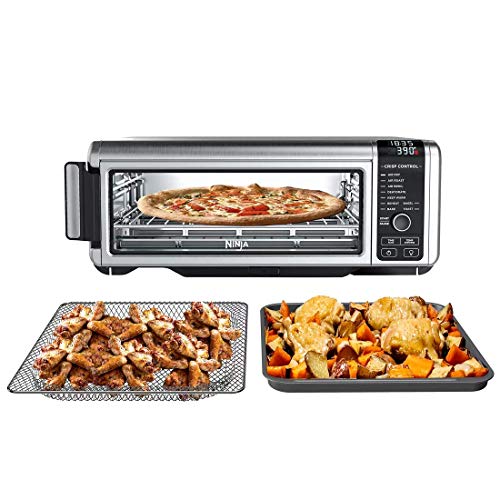
3. Ninja Foodi 9-in-1 Digital Air Fry Oven
What we like
- Air fry, roast, bake, toast, and dehydrate in one unit
- Digital display with preset functions
- Large countertop oven capacity
- Temperature range up to 450°F (for air fry use)
Watch out for
- Vertical airflow requires occasional tray rotation
- Larger countertop footprint than single-function dehydrators
Our verdict: If you want one appliance that does both air frying and dehydrating, the Ninja Foodi is a strong choice. The dehydrating function performs well. If dehydrating is your primary use, the Cosori or Excalibur are more purpose-built.
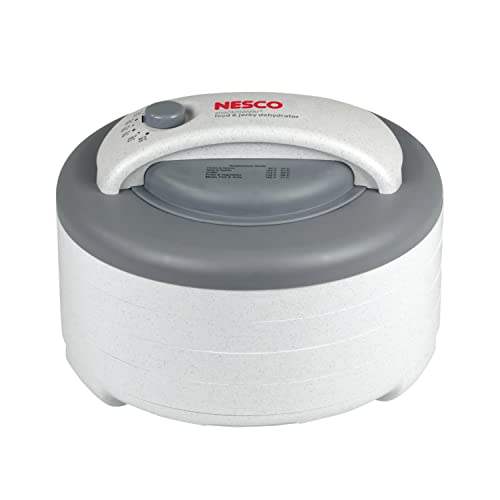
4. Nesco Snackmaster Express FD-60
What we like
- Affordable entry price
- Top-mounted fan with Converga-Flow airflow
- Expandable up to 12 trays
- Temperature range 95–155°F
Watch out for
- Plastic construction feels less durable than stainless options
- Analog dial has less precise control than digital models
Our verdict: The Nesco FD-60 is a solid beginner dehydrator. The expandable tray system is a nice touch — start with 4 trays and add more as needed. For occasional use, it gets the job done at a friendly price.

5. OSTBA Food Dehydrator (5-Tray)
What we like
- Very affordable
- 5 stainless steel trays included
- Adjustable 95–160°F temperature control and 48-hour timer
Watch out for
- Smaller 5-tray capacity than larger units
- Stackable design dries less evenly than horizontal-fan models
- Basic controls
Our verdict: The OSTBA is fine for occasional use at a very low price, and unlike older budget models it includes real temperature control and stainless trays. The smaller stackable design dries a bit less evenly than horizontal-fan units. If you plan to dehydrate large batches regularly, invest a bit more in the Cosori or Excalibur.
What to Look for in a Food Dehydrator
Temperature control
Precise temperature matters. Most foods dehydrate at 125–145°F, but herbs need lower temps (~95°F) and jerky needs higher (~165°F). A dehydrator with a wide range and accurate thermostat gives you flexibility. Cheap models with on/off switches (no temperature control) are frustrating to use.
Airflow design
Horizontal rear-mounted fans (like Excalibur) provide even airflow across all trays without requiring rotation. Vertical models with bottom or top fans often dry the center trays faster, requiring you to rotate trays halfway through. For fermenters drying sauerkraut or kimchi, even drying prevents inconsistent texture.
Capacity and tray size
More trays mean bigger batches. A 5-tray model handles most home use. If you do large ferment batches or want to dry multiple foods simultaneously, a 9-tray Excalibur is worth the investment. Also check tray dimensions — larger trays mean fewer batches for the same total food.
Ease of cleaning
Fermented foods can be sticky and pungent. Look for dishwasher-safe trays and solid liners (mesh screens are harder to clean than solid fruit leather sheets). Stainless steel trays are more durable and hygienic than plastic over the long term.
Frequently Asked Questions
Shop Related Equipment
Our top-rated gear picks for this project.
Best Fermentation Crocks for Vegetables in 2026 (Tested)
We tested the best fermentation crocks for vegetables — sauerkraut, kimchi, pickles, and fruit ferments. Water-sealed fermenting crocks from budget picks to heirloom German stoneware.
Best Sourdough Starter Kits for Beginners in 2026 (Tested)
We tested the best sourdough starter kits — from minimalist jar-and-starter combos to complete bundles with proofing baskets and a lame. Top-rated picks for beginners and upgraders.
Best Fermentation Lids for Mason Jars in 2026
Fermentation lids turn any wide-mouth Mason jar into a proper fermenting vessel. We tested the most popular airlock lids to find the best options for beginners and experienced fermenters.
The Ferment Guide is reader-supported. When you buy through links on this page, we may earn a small affiliate commission. This doesn't affect our recommendations — we only feature products we genuinely use and trust.