Best Fermented Foods for Gut Health in 2026
Last updated July 22, 2026
Fermented foods feed your gut microbiome with live bacteria that store-bought supplements can't match. But which ones actually make a difference? We looked at the science behind each fermented food — probiotic strain counts, research on digestive benefits, and how practical each one is to make at home — to rank the five best fermented foods for gut health in 2026. Each pick links to our full starter kit and equipment guide so you can get going fast.
The Ferment Guide is reader-supported. When you buy through links on this page we may earn an affiliate commission, at no extra cost to you. We only recommend gear we'd use ourselves. Learn more.
Cultures for Health Live Milk Kefir Grains
Our Top Picks

1. Cultures for Health Live Milk Kefir Grains
What we like
- Contains 30+ bacterial and yeast strains — highest diversity of any fermented food
- Grains last indefinitely with proper care
- Research shows benefits for digestion, immunity, and bone density
- Cultures for Health grains are reliable and well-documented
- Ready in 24 hours, no special equipment needed
Watch out for
- Requires dairy milk
- Grains need regular feeding (every 24–48 hours)
Our verdict: Milk kefir is the gold standard for probiotic density. A single cup contains more live bacteria than most probiotic supplements, with greater strain diversity. The Cultures for Health kit includes dehydrated grains that rehydrate reliably and a thorough instruction guide — a great starting point for anyone serious about gut health.
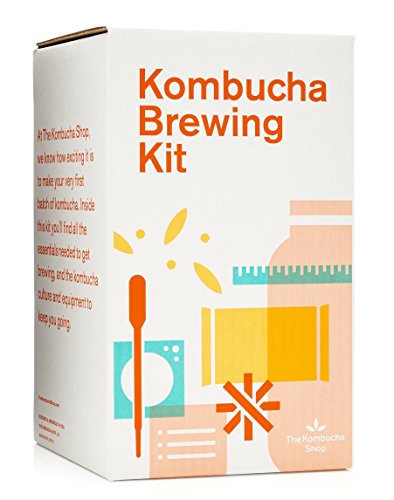
2. The Kombucha Shop Organic Starter Kit
What we like
- Naturally carbonated and easy to drink daily
- Contains beneficial acids (glucuronic acid, acetic acid) alongside live cultures
- Huge flavor variety — plain, ginger, berry, and more
- SCOBY is a self-sustaining culture that brews indefinitely
- This kit includes everything for a first batch
Watch out for
- Lower probiotic strain count than kefir
- Takes 7–14 days per batch
Our verdict: Kombucha is the easiest fermented drink to adopt daily — it's fizzy, flavorful, and familiar. It's not as probiotic-dense as milk kefir, but it contributes beneficial acids and strains that dairy ferments don't provide. The Kombucha Shop kit is the most complete beginner set on the market.

3. Kenley Fermentation Crock (1 Gallon)
What we like
- Two ingredients: cabbage and salt — nothing simpler
- Lactobacillus strains well-studied for digestive health
- High in vitamin C and fiber alongside probiotics
- Stores for months in the fridge
- Water-sealed crock makes hands-off fermentation easy
Watch out for
- Store-bought sauerkraut is usually pasteurized — must make your own for live cultures
- Strong flavor that not everyone enjoys
Our verdict: Sauerkraut is the most beginner-friendly fermented food — two ingredients, one week, no special cultures needed. A water-sealed crock like the Kenley creates the perfect anaerobic environment for a clean, reliable ferment every time. Keep a jar in the fridge and add a forkful to meals daily for a consistent probiotic boost.

4. Crazy Korean Cooking Premium Kimchi Container
What we like
- Contains Lactobacillus kimchii and other strains unique to vegetable ferments
- Garlic, ginger, and chili add prebiotic fiber that feeds gut bacteria
- Versatile — works as a side dish, topping, or cooking ingredient
- Airtight container keeps kimchi fresh and odor-contained
- Prebiotic + probiotic combination is a gut health double benefit
Watch out for
- More ingredients and prep time than sauerkraut
- Strong aroma requires a dedicated, odor-sealed container
Our verdict: Kimchi delivers a combination that few fermented foods match: live Lactobacillus cultures plus prebiotic vegetables (garlic, ginger, cabbage, scallions) that feed your gut bacteria after the probiotics arrive. The Crazy Korean Cooking container's airtight valve keeps it fresh for months without odor escaping into your fridge.

5. Cultures for Health Water Kefir Grains (Dehydrated)
What we like
- Completely dairy-free and vegan
- Contains 10–15 bacterial and yeast strains
- Light, lightly fizzy drink — easy to consume daily
- Grains are reusable indefinitely
- Can be flavored with fruit juice for a soda-like drink
Watch out for
- Lower probiotic count than milk kefir
- Grains need sugar-water feeding every 24–48 hours
Our verdict: Water kefir is the best dairy-free fermented drink for gut health. It's lighter than kombucha, faster to ferment (24–48 hours vs. 7–14 days), and its grains — once active — run indefinitely for pennies per batch. Cultures for Health grains are among the most reliable dehydrated grains available.
How to Choose the Right Fermented Food for Your Gut
Live cultures vs. pasteurized
Pasteurized fermented foods — most store-bought sauerkraut, pickles, and some kombucha — have been heat-treated and contain few or no live bacteria. For gut health benefits, look for labels that say 'contains live and active cultures' or, better yet, make your own. Homemade ferments are reliably alive.
Strain diversity matters
A healthy gut thrives on diversity. Milk kefir and water kefir are particularly strong here — they contain 30–50 different bacterial and yeast strains depending on your grains. Kombucha and kimchi add other strains that dairy-based ferments don't have. Rotating through different fermented foods is more effective than eating the same one every day.
Dairy vs. dairy-free
Milk kefir is one of the most studied probiotic foods, but it requires dairy. If you're lactose intolerant or vegan, water kefir and kombucha are excellent dairy-free alternatives with strong probiotic profiles. Sauerkraut and kimchi are naturally vegan.
How much should you eat?
You don't need large amounts to see benefits. Aim for 1–4 oz of fermented food daily — a small glass of kefir, a forkful of sauerkraut with a meal, or a bottle of kombucha split over two days. Consistency over weeks matters more than a large amount once in a while. Start small if you're new to fermented foods — a sudden large dose of probiotics can cause temporary bloating.
Frequently Asked Questions
Related Guides
Health Benefits of Fermented Foods
What science actually says about fermented foods and your health — gut health, immunity, nutrition, and more. Evidence-based, no hype.
🥛Milk Kefir
A tangy, probiotic-rich fermented milk drink. Easier than yogurt, more diverse cultures, and endlessly versatile.
🍵Kombucha Brewing 101
Everything you need to brew your first batch of kombucha — from getting a SCOBY to bottling with flavor.
🥬Homemade Sauerkraut
Two ingredients, one jar, and a week of patience. The simplest ferment there is.
💧Water Kefir
A fizzy, probiotic soda that ferments in 48 hours. Easier than kombucha and endlessly customizable.
Shop Related Equipment
Our top-rated gear picks for this project.
Best Fermentation Crocks for Vegetables in 2026 (Tested)
We tested the best fermentation crocks for vegetables — sauerkraut, kimchi, pickles, and fruit ferments. Water-sealed fermenting crocks from budget picks to heirloom German stoneware.
Best Sourdough Starter Kits for Beginners in 2026 (Tested)
We tested the best sourdough starter kits — from minimalist jar-and-starter combos to complete bundles with proofing baskets and a lame. Top-rated picks for beginners and upgraders.
Best Fermentation Lids for Mason Jars in 2026
Fermentation lids turn any wide-mouth Mason jar into a proper fermenting vessel. We tested the most popular airlock lids to find the best options for beginners and experienced fermenters.
The Ferment Guide is reader-supported. When you buy through links on this page, we may earn a small affiliate commission. This doesn't affect our recommendations — we only feature products we genuinely use and trust.