Best Flour for Sourdough Starter in 2026
Last updated June 16, 2026
Your sourdough starter is only as healthy as what you feed it. Whole grains like rye and whole wheat are packed with the wild yeast and bacteria that get a brand-new starter going, while a consistent, unbleached bread or all-purpose flour keeps an established culture predictable and strong. Avoid bleached flour — the chemical treatment can slow or stall fermentation. We compared the flours most home bakers actually use to find the best options for each stage of the starter journey.
The Ferment Guide is reader-supported. When you buy through links on this page we may earn an affiliate commission, at no extra cost to you. We only recommend gear we'd use ourselves. Learn more.
King Arthur 100% Organic Bread Flour
Our Top Picks

1. King Arthur 100% Organic Bread Flour
What we like
- High, consistent protein for a strong rise
- Certified organic and unbleached
- Reliable bag-to-bag — the baker's gold standard
- Great for both feeding and baking
Watch out for
- Pricier than supermarket store brands
Our verdict: For maintaining an established starter and baking great bread, King Arthur's organic bread flour is the one most experienced bakers reach for. The protein content is high and remarkably consistent, which means a predictable starter and a dependable rise. If you keep one flour on the shelf, make it this.

2. 365 by Whole Foods Market Organic Bread Flour
What we like
- Excellent price for an organic bread flour
- Unbleached with solid protein for rise
- Reliably stocked (Amazon/Whole Foods house brand)
- Great for daily feeding without overspending
Watch out for
- Less brand pedigree than King Arthur
Our verdict: If you feed your starter regularly, you don't want to pour premium flour down the drain. This organic bread flour gives you unbleached quality and enough protein to keep a culture vigorous at a price that makes daily feeding painless. The smart everyday pick.
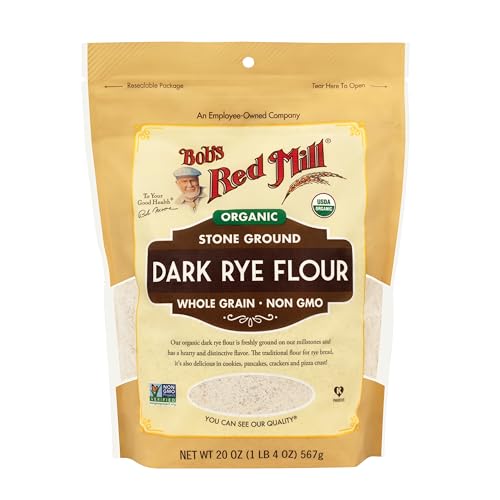
3. Bob's Red Mill Organic Dark Rye Flour
What we like
- Whole-grain rye supercharges a brand-new starter
- Organic and stone-ground
- Fastest, most reliable way to get bubbles in days 1–3
- Inexpensive — a little goes a long way
Watch out for
- Too dense to use as your only flour long term
- Stronger, earthier flavor
Our verdict: The secret weapon for creating a starter from scratch. Feeding the first few days with whole rye floods the jar with wild yeast and bacteria, so you get a bubbly, active culture far faster than with white flour alone. Switch to bread flour once it's established.

4. Food to Live Organic Einkorn All-Purpose Flour
What we like
- Ancient, never-hybridized wheat with a rich, nutty flavor
- Certified organic
- Higher in protein and minerals than modern wheat
- Great for bakers who find modern wheat hard to digest
Watch out for
- Lower gluten strength — doughs are stickier and rise less
- Premium price per pound
Our verdict: Einkorn behaves differently from modern wheat — wetter dough, gentler rise — so it takes some adjusting. But for the flavor, nutrition, and digestibility, it's the best ancient-grain choice for an einkorn or heritage starter.
What to Look for in a Sourdough Flour
Whole grain to start
When creating a starter from scratch, whole rye or whole wheat flour gets you to an active culture fastest. The bran carries far more wild yeast and lactic acid bacteria than white flour, plus extra minerals that feed those microbes.
Unbleached, always
Bleached flour is chemically treated and can inhibit fermentation. Every flour worth feeding a starter is unbleached. It's the single most important thing on the label.
Protein content for maintenance
For an established starter and for baking, higher-protein bread flour (around 12–13%) builds more gluten strength and a better rise than all-purpose. All-purpose (10–11%) still works fine for daily feeding and is more economical.
Organic and freshness
Organic flours avoid pesticide residues that some bakers believe affect microbial health, and they're often fresher. Whatever you choose, store flour airtight and cool so it doesn't go rancid or stale before you use it.
Frequently Asked Questions
Related Guides
Sourdough Starter Guide
How to create and maintain a sourdough starter from scratch. Just flour, water, and time.
🍞Sourdough Bread
Your first loaf of sourdough bread. From starter to crusty, open-crumb perfection.
🔍Sourdough Starter Troubleshooting
Not rising? Smells like nail polish? Liquid on top? Every common sourdough starter problem diagnosed and fixed.
Shop Related Equipment
Our top-rated gear picks for this project.
Best Sourdough Starter Kits for Beginners in 2026 (Tested)
We tested the best sourdough starter kits — from minimalist jar-and-starter combos to complete bundles with proofing baskets and a lame. Top-rated picks for beginners and upgraders.
Best Dutch Ovens for Sourdough Bread in 2026
A Dutch oven is the single most important tool for baking bakery-quality sourdough at home. We compared the top picks — from budget cast iron to premium enameled options — to help you choose the right one.
Best Sourdough Tools and Accessories in 2026
The right sourdough tools make a real difference in your bread. We reviewed the best banneton baskets, lames, Dutch ovens, kitchen scales, and bench scrapers — with a clear winner in each category.
The Ferment Guide is reader-supported. When you buy through links on this page, we may earn a small affiliate commission. This doesn't affect our recommendations — we only feature products we genuinely use and trust.