Best Koji for Miso in 2026
Last updated June 16, 2026
Every great miso starts with koji: grain that's been cultivated with the mold Aspergillus oryzae, which produces the enzymes that break down soybeans into deep, savory umami over months of fermentation. Home cooks have two paths — buy ready-made rice koji and go straight to mixing miso, or buy koji-kin (spores) and grow your own koji from scratch for full control. We compared the best options for both, so you can pick the right starting point for miso, amazake, and shio koji.
The Ferment Guide is reader-supported. When you buy through links on this page we may earn an affiliate commission, at no extra cost to you. We only recommend gear we'd use ourselves. Learn more.
Miyako Koji (Malted Rice for Miso & Amazake), 200g
Our Top Picks

1. Miyako Koji (Malted Rice for Miso & Amazake), 200g
What we like
- Ready-made malted rice koji — start miso or amazake immediately
- Reliable, widely-stocked Japanese rice koji
- Works for miso, amazake, shio koji, and sweet sake
- Beginner-friendly, no incubation needed
Watch out for
- Smaller 200g pack
- Use or freeze promptly once opened
Our verdict: The easiest entry into miso making. Open the bag and you're ready to mix miso or start a batch of amazake — no spores, no incubation. A dependable, in-stock rice koji that makes first-time miso approachable.

2. Shiragiku Koji-Kin (Aspergillus oryzae) Spores, 10g
What we like
- Grow unlimited koji from one small packet
- High-saccharifying strain favored for darker miso
- Gluten-free and vegan
- Extremely economical per batch
Watch out for
- Requires incubating your own koji first
- Steeper learning curve
Our verdict: For fermenters ready to grow their own koji, Shiragiku is a reliable, well-regarded koji-kin that excels at miso and shoyu koji. One packet makes batch after batch, so it pays for itself quickly. Choose this when you want full control and the lowest cost per ferment.
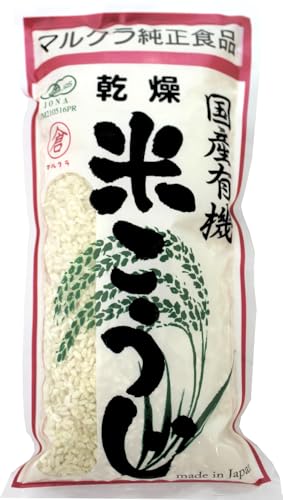
3. Marukura Organic Dried Rice Koji, 500g
What we like
- Certified organic rice koji from Japan
- Shelf-stable dried form — convenient
- Great for miso and amazake
- Reactivates well
Watch out for
- Pricier than non-organic koji
Our verdict: A high-quality, shelf-stable organic option that skips the refrigeration worry of fresh koji. The dried rice koji reactivates nicely for miso and makes excellent amazake. The best pick if you want organic and the convenience of a pantry-stable product.

4. Dried Rice Koji (Malted Rice) for Shio Koji & Miso, 1.1 lb
What we like
- Generous 1.1 lb shelf-stable bag
- Versatile for shio koji, miso, and amazake
- Good value per ounce
- No refrigeration required
Watch out for
- Less brand pedigree than premium options
Our verdict: A practical, in-stock dried rice koji that covers the home-fermentation basics at a friendly price. If you want plenty of shelf-stable koji to experiment with shio koji, miso, and amazake without a premium price, this delivers.
What to Look for in Koji
Ready-made koji vs. spores
Ready-made rice koji lets you start making miso or amazake immediately — easiest for beginners. Koji-kin (spores) requires you to inoculate and incubate your own grain first, which is more work but far more economical and flexible if you ferment often.
Rice vs. barley koji
Rice koji makes lighter, sweeter miso and is the standard for amazake and shio koji. Barley (mugi) koji gives an earthier, heartier miso. Most beginners start with rice koji for its versatility.
Freshness and form
Fresh or refrigerated koji is most active but perishable; dried rice koji is shelf-stable and convenient, reactivating well for miso and amazake. Spores keep a long time when stored cool and dry.
Strain for the job
Different koji-kin strains favor different ferments — some saccharify aggressively (great for amazake and sweet miso), others suit darker miso and shoyu. If you're growing your own, match the spore strain to what you're making.
Frequently Asked Questions
Related Guides
Homemade Miso
Soybeans, koji, salt, and patience. A rewarding long-term fermentation project with incredible umami.
🦠Health Benefits of Fermented Foods
What science actually says about fermented foods and your health — gut health, immunity, nutrition, and more. Evidence-based, no hype.
🔰Fermentation for Beginners
Everything you need to know to start fermenting at home. What it is, how it works, what you need, and which projects to try first.
Shop Related Equipment
Our top-rated gear picks for this project.
Best Fermentation Books in 2026 (Beginner to Advanced)
The best fermentation books of 2026, ranked. From beginner-friendly guides to deep references on koji, miso, and wild fermentation — the right pick for your skill level, with no fluff.
Best Tempeh Starter in 2026
Tempeh starter is the Rhizopus oligosporus culture that binds cooked beans into firm, nutty tempeh cakes. We compared the best tempeh starters available to home fermenters — from beginner-friendly packets to bulk ragi for frequent makers.
Best Fermentation Crocks for Vegetables in 2026 (Tested)
We tested the best fermentation crocks for vegetables — sauerkraut, kimchi, pickles, and fruit ferments. Water-sealed fermenting crocks from budget picks to heirloom German stoneware.
The Ferment Guide is reader-supported. When you buy through links on this page, we may earn a small affiliate commission. This doesn't affect our recommendations — we only feature products we genuinely use and trust.