Best Salt for Fermenting in 2026
Last updated July 22, 2026
Salt is the most important ingredient in lacto-fermentation — more important than the jar, the weight, or the lid. The right salt creates the brine that protects your vegetables from bad bacteria while beneficial lactobacillus cultures thrive. The wrong salt can stall your ferment, add off-flavors, or — if it contains iodine or anti-caking agents — actively inhibit the cultures you're trying to grow. Here's what works, what doesn't, and which brands home fermenters reach for most.
The Ferment Guide is reader-supported. When you buy through links on this page we may earn an affiliate commission, at no extra cost to you. We only recommend gear we'd use ourselves. Learn more.
Redmond Real Salt (Fine, 26 oz)
Our Top Picks

1. Redmond Real Salt (Fine, 26 oz)
What we like
- Unrefined, mined from ancient Utah sea beds — no additives at all
- Fine grain dissolves quickly in both dry-salt and brine applications
- Mild, slightly sweet flavor that doesn't overpower fermented vegetables
- Trace minerals add subtle complexity to long ferments
- Widely trusted in the fermentation community
Watch out for
- More expensive per ounce than kosher salt
- Pink color can make it harder to see when measuring on dark surfaces
Our verdict: Redmond Real Salt is the salt most serious home fermenters keep on their shelf. It's unrefined, additive-free, and the fine grain makes it a pleasure to work with whether you're massaging cabbage for sauerkraut or mixing a pickling brine. The mild flavor lets the ferment's natural tang come through without any saltiness dominating.

2. Diamond Crystal Kosher Salt (3 lb box)
What we like
- Hollow, flaky crystals dissolve fast and distribute evenly
- Pure salt — no iodine, no anti-caking agents
- Light density makes it easy to feel how much you're using
- The kosher salt preferred by most professional chefs and fermenters
- Affordable and widely available at grocery stores
Watch out for
- Low density means you need more by volume than Morton — don't substitute 1:1 in recipes
- Large box can be unwieldy to store
Our verdict: Diamond Crystal is the workhorse kosher salt for fermentation. Its hollow flake structure means it dissolves into cabbage and other vegetables quickly, drawing out liquid fast for a good sauerkraut or kimchi. Just remember: if a recipe calls for Morton kosher salt by volume, use about twice as much Diamond Crystal, or better yet, weigh it.

3. Morton Kosher Salt (3 lb box)
What we like
- Inexpensive and available everywhere
- No iodine — safe for fermentation
- Denser than Diamond Crystal — a little goes further by volume
- Consistent crystal size makes measuring by volume more predictable
Watch out for
- Compressed crystals dissolve more slowly than Diamond Crystal's flakes
- Contains yellow prussiate of soda (anti-caking agent) — safe for fermentation but purists avoid it
- Not interchangeable 1:1 with Diamond Crystal in recipes
Our verdict: Morton Kosher Salt is perfectly usable for fermentation and it's what many beginners start with because it's cheap and at every grocery store. The anti-caking additive (yellow prussiate of soda) is not iodine-based and won't harm your cultures, but if you prefer completely pure salt, Redmond or Diamond Crystal are cleaner choices. Weigh it rather than measuring by volume.

4. Himalayan Pink Salt (Fine Grain, 5 lb)
What we like
- Mined from ancient deposits — naturally free of additives and iodine
- Trace minerals give it a slightly complex, mineral flavor
- Fine grain dissolves well in brine
- Pretty pink color makes it easy to spot and fun to use
- Bulk bags offer good value per ounce
Watch out for
- Mineral content can produce slightly more cloudy brine
- Flavor is more pronounced — not ideal if you want completely neutral salt
- Quality varies between brands; buy from a reputable seller
Our verdict: Himalayan pink salt works well for brine ferments — pickles, carrots, beets, and kvass. The fine grain dissolves readily and the mineral flavor can add a subtle earthiness to long ferments. It's not the first choice for dry-salted sauerkraut (where neutral flavor is preferred), but for pickle brines it performs nicely. Make sure you're buying genuine Himalayan salt from a known supplier.
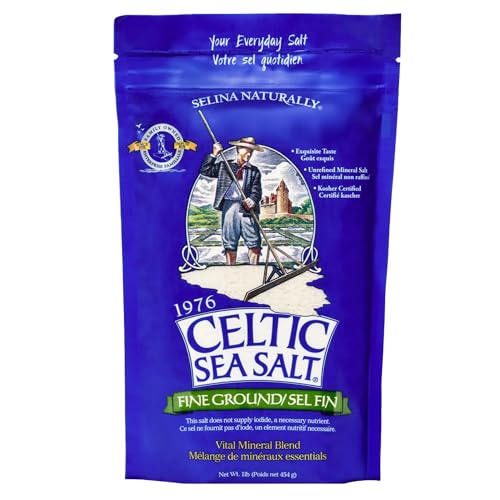
5. Celtic Sea Salt (Fine Ground, 1 lb)
What we like
- Harvested from the Brittany coast and sun-dried — minimal processing
- High mineral content with a noticeably complex, briny flavor
- No additives, no iodine — clean ingredient list
- Slightly moist texture helps it cling to vegetables when dry-salting
- Beloved by traditional fermenters for its depth of flavor
Watch out for
- Most expensive option on this list per ounce
- Moist texture can clump — store in an airtight container
- Strong mineral flavor is not for everyone
Our verdict: Celtic Sea Salt is the choice for fermenters who want the most mineral-rich, traditionally processed salt available. The flavor is noticeably more complex than kosher salt — earthy, briny, oceanic. It shines in long ferments where those minerals have time to integrate. At its price point, it's a splurge, but committed fermenters often keep it alongside a neutral kosher salt for different applications.
What to Look for in a Fermentation Salt
No iodine, no anti-caking agents
This is the rule. Iodine is antimicrobial — that's why it's added to table salt — and it will suppress or kill the lactobacillus cultures you need for fermentation. Anti-caking agents like silicon dioxide can make brine cloudy and are unnecessary in a wet ferment. Always check the label. Pure salt should have one ingredient: salt.
Grain size matters for dry-salting
When making sauerkraut or kimchi by massaging salt directly into vegetables, grain size affects how quickly the salt draws out water. Medium-grain kosher salt (like Diamond Crystal) dissolves fast and is easy to distribute evenly. Coarse salt takes longer to dissolve and can be harder to control by weight. For brine ferments (pickles, carrots, beets), grain size matters less — it all dissolves in water anyway.
Mineral content and trace elements
Unrefined salts like Redmond Real Salt and Celtic Sea Salt contain trace minerals — magnesium, calcium, potassium — that can subtly influence flavor and potentially support fermentation activity. The practical difference is modest at typical fermentation percentages (2–3% by weight), but many fermenters prefer unrefined salts for their flavor profile and minimal processing.
Measuring by weight, not volume
Different salts have different densities. One tablespoon of Diamond Crystal kosher salt weighs roughly half as much as one tablespoon of Morton kosher salt. If you're following a recipe by volume (tablespoons), your salt percentage can be off significantly depending on which brand you use. The fix: weigh your salt. Invest in a kitchen scale and measure in grams for consistent results every batch.
Frequently Asked Questions
Related Guides
Homemade Sauerkraut
Two ingredients, one jar, and a week of patience. The simplest ferment there is.
🥒Fermented Pickles
Crunchy, tangy, probiotic-rich pickles — no vinegar needed. Just cucumbers, salt, water, and time.
🌶️How to Make Kimchi
A beginner-friendly guide to making traditional napa cabbage kimchi at home. No special equipment needed.
Shop Related Equipment
Our top-rated gear picks for this project.
Best Fermentation Crocks for Vegetables in 2026 (Tested)
We tested the best fermentation crocks for vegetables — sauerkraut, kimchi, pickles, and fruit ferments. Water-sealed fermenting crocks from budget picks to heirloom German stoneware.
Best Fermentation Weights for Mason Jars & Crocks (2026)
We tested glass, ceramic, and stainless steel fermentation weights to find the best picks for wide-mouth mason jars and crocks — so your vegetables stay submerged and mold-free.
Best Fermentation Lids for Mason Jars in 2026
Fermentation lids turn any wide-mouth Mason jar into a proper fermenting vessel. We tested the most popular airlock lids to find the best options for beginners and experienced fermenters.
The Ferment Guide is reader-supported. When you buy through links on this page, we may earn a small affiliate commission. This doesn't affect our recommendations — we only feature products we genuinely use and trust.