Best Fermentation Books in 2026 (Beginner to Advanced)
Last updated June 16, 2026
Our top pick for most people is Wild Fermentation by Sandor Katz — the warm, beginner-friendly book that launched the movement. Want just one definitive reference? That's his 528-page Art of Fermentation. A good fermentation book gives you the why behind the how — the science of salt, pH, and microbes that makes you a better fermenter than any single recipe. We ranked 5 across skill levels, from complete beginner to advanced.
The Ferment Guide is reader-supported. When you buy through links on this page we may earn an affiliate commission, at no extra cost to you. We only recommend gear we'd use ourselves. Learn more.
Wild Fermentation by Sandor Katz
Our Top Picks

1. Wild Fermentation by Sandor Katz
What we like
- The book that launched the modern fermentation movement
- Approachable, inspiring writing style with personal stories
- Revised 2nd edition with full-color photography
- Covers vegetables, dairy, bread, alcohol, and vinegar
- Affordable paperback format
Watch out for
- Recipes are more casual — less precise measurements than some prefer
- Less comprehensive than The Art of Fermentation
- May feel too introductory for experienced fermenters
Our verdict: The best first fermentation book. Sandor Katz writes with warmth and enthusiasm that makes you want to start fermenting immediately. It covers enough breadth to help you discover which ferments you're most excited about, without overwhelming you with science.

2. The Art of Fermentation by Sandor Katz
What we like
- James Beard Award winner — the most comprehensive fermentation book ever written
- 528 pages covering virtually every type of fermentation worldwide
- Goes deep on science while staying conversational and accessible
- Foreword by Michael Pollan
- Over 250,000 copies sold
Watch out for
- 528 pages can be overwhelming for quick-recipe seekers
- More reference/textbook than step-by-step cookbook
- Hardcover only — higher price point
Our verdict: The fermentation bible. If you could only own one fermentation book, this is it. It covers everything from sauerkraut to sake, with enough depth to satisfy advanced fermenters and enough clarity to guide beginners. Keep it on your shelf and reference it for years.

3. Fermented Vegetables by Kirsten & Christopher Shockey
What we like
- 10th anniversary edition with 65 new recipes
- Organized alphabetically by vegetable — easy to use what you have
- Extremely beginner-friendly step-by-step instructions
- Covers krauts, kimchis, pickles, chutneys, relishes, and pastes
- Updated gut health science from a decade of new research
Watch out for
- Focused exclusively on vegetables — no dairy, bread, or alcohol
- May be too basic for advanced fermenters
- Some older editions still in circulation — get the 10th anniversary version
Our verdict: The most practical fermentation cookbook for everyday use. Open it up, find the vegetable you have in your fridge, and follow the recipe. The Shockeys' writing is clear, friendly, and focused on getting you fermenting — not lecturing you about microbiology.
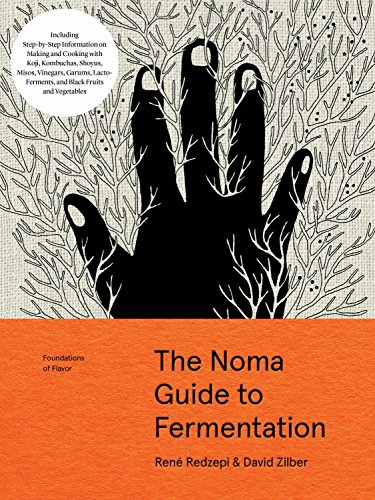
4. The Noma Guide to Fermentation by René Redzepi & David Zilber
What we like
- Restaurant-quality techniques from the world's most famous fermentation lab
- Covers koji, kombuchas, shoyus, misos, vinegars, garums, and black fruits
- Over 500 step-by-step photographs
- Extremely precise recipes with exact measurements and temperatures
- Stunning production quality
Watch out for
- Not ideal for complete beginners
- Some techniques require specialized ingredients (koji spores, specific molds)
- Hardcover only — more expensive
- Restaurant-oriented perspective may not match home kitchen setups
Our verdict: The book for fermenters who want to go deeper. If you've mastered sauerkraut and kombucha and want to explore koji, garum, miso, and black garlic at a professional level, this is where you go next. The photography alone is worth the price.

5. Fiery Ferments by Kirsten & Christopher Shockey
What we like
- 70 recipes focused on spicy fermented condiments
- Covers hot sauces, mustards, chutneys, and spicy kimchis
- Each recipe includes a heat index rating
- Accessible for beginners while offering creative variety
- Most affordable book on this list
Watch out for
- Narrow scope — only spicy/hot fermented condiments
- Not a general fermentation reference
- Some recipes require specialty peppers
- Not the right starting point for fermentation fundamentals
Our verdict: The perfect companion book for hot sauce and spicy condiment fans. If you already ferment and want to expand into fiery territory — sriracha, harissa, spicy kimchi, fermented mustards — this book has 70 reasons to buy more peppers.
How to Choose a Fermentation Book
Your experience level
Complete beginners should start with Wild Fermentation or Fermented Vegetables — they're approachable and recipe-focused. If you already ferment regularly and want to understand the deep science, The Art of Fermentation is the reference. Advanced fermenters exploring koji, garum, and miso should look at The Noma Guide.
Breadth vs. depth
Some books cover everything (vegetables, dairy, bread, alcohol). Others go deep on one category. If you want a single reference for your shelf, go broad. If you're passionate about one type of ferment — like hot sauce or vegetables — a focused book will serve you better.
Recipes vs. education
Recipe-forward books get you fermenting fast. Education-forward books help you understand what's happening and improvise your own ferments. The best books do both, but most lean one direction.
Print quality
Fermentation books live in the kitchen. Hardcovers hold up better to flour-dusted hands and brine splashes. Color photography helps you identify what healthy ferments should look like versus signs of problems.
Frequently Asked Questions
Related Guides
Fermentation for Beginners
Everything you need to know to start fermenting at home. What it is, how it works, what you need, and which projects to try first.
🏠How to Ferment at Home
A practical guide to fermenting food at home. Salt ratios, brine basics, temperature, timing, and troubleshooting — everything in one place.
🦠Health Benefits of Fermented Foods
What science actually says about fermented foods and your health — gut health, immunity, nutrition, and more. Evidence-based, no hype.
Shop Related Equipment
Our top-rated gear picks for this project.
Best Koji for Miso in 2026
Koji — rice or barley inoculated with Aspergillus oryzae — is the engine behind miso, amazake, shio koji, and sake. We compared the best koji products available to home fermenters, from ready-to-use rice koji to koji-kin spores for growing your own.
Best Tempeh Starter in 2026
Tempeh starter is the Rhizopus oligosporus culture that binds cooked beans into firm, nutty tempeh cakes. We compared the best tempeh starters available to home fermenters — from beginner-friendly packets to bulk ragi for frequent makers.
Best Fermentation Crocks for Vegetables in 2026 (Tested)
We tested the best fermentation crocks for vegetables — sauerkraut, kimchi, pickles, and fruit ferments. Water-sealed fermenting crocks from budget picks to heirloom German stoneware.
The Ferment Guide is reader-supported. When you buy through links on this page, we may earn a small affiliate commission. This doesn't affect our recommendations — we only feature products we genuinely use and trust.