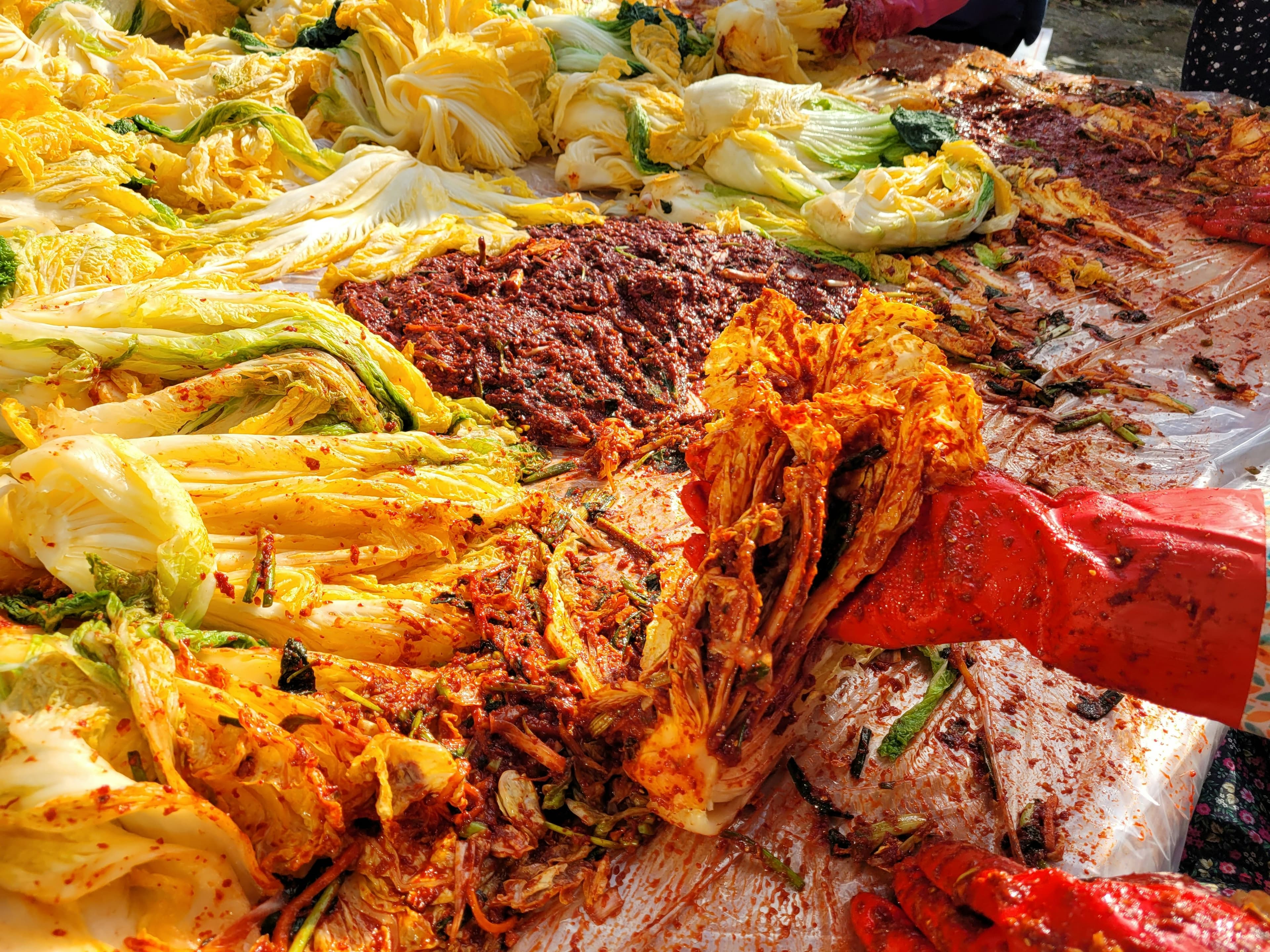
Every November, across South Korea, something remarkable happens. Families gather — sometimes with neighbors, sometimes with entire communities — and make kimchi together. Hundreds of pounds of it. Enough to last through the long winter months ahead.
This tradition is called kimjang (also spelled gimjang, pronounced roughly kim-jahng). It has been practiced for over a thousand years. In 2013, UNESCO added kimjang to its Representative List of the Intangible Cultural Heritage of Humanity — recognizing it not just as a food practice but as a living tradition of community, generosity, and cultural identity.
For home fermenters outside Korea, kimjang offers something genuinely compelling: a reason to make kimchi in large quantity, at the precise time of year when the ingredients are best and the conditions are ideal. You don't need a hundred pounds or a village. A single large batch captures the spirit.
Why Late Autumn Is the Right Time
Kimjang timing is not arbitrary. Late autumn — roughly November in Korea, October to December depending on your climate — is when several conditions align simultaneously:
- Napa cabbage reaches its peak. Fall cabbages have spent the summer storing energy and arrive with dense, crisp leaves and high sugar content. These sugars feed fermentation and contribute to kimchi's characteristic depth.
- Temperatures drop into the ideal fermentation range. Cool temperatures between 35–50°F (2–10°C) produce slow, controlled fermentation — the kind that builds extraordinary flavor complexity over weeks and months rather than days. Traditional kimjang kimchi was stored in earthenware urns buried in the ground, where temperatures remained stable through winter.
- The harvest brings other key ingredients. Garlic, ginger, green onions, and daikon radish are all available fresh and at their best in autumn.
The result is kimchi that's categorically different from quick-fermented batches made in warmer months. Kimjang kimchi is complex, deeply savory, and layered in a way that's difficult to achieve any other time of year.
Kimjang as Community
The cultural dimension of kimjang is inseparable from the practice. Traditionally, kimjang was a communal act. Preparing enough kimchi for an entire winter by yourself would take days; with a group, it takes an afternoon. Neighbors would share labor and ingredients, with each family contributing what they had in abundance — one might bring extra garlic, another extra gochugaru. The finished kimchi would be distributed according to need.
Even today, kimjang is an occasion in Korean households. It brings multiple generations together around a task that requires many hands and that connects participants to something much older than themselves.
For those of us making kimjang alone in a Western kitchen, the tradition still carries meaning. There's something grounding about deliberately setting aside a November afternoon to prepare food that will nourish you through winter — following a practice that has been repeated in this form for a thousand years.
Key Ingredients for Kimjang Kimchi
Napa Cabbage (Baechu)
The base of most kimjang kimchi is baechu — Napa cabbage. Look for heads that feel heavy and dense for their size, with tightly packed leaves and no yellowing. Autumn cabbages from farmers markets or Asian grocery stores are ideal; the quality is meaningfully better than supermarket cabbages, which often lack density and sweetness.
Gochugaru — Korean Red Pepper Flakes
Gochugaru is not interchangeable with other chili flakes or cayenne powder. It has a specific flavor profile — fruity, mildly smoky, with moderate heat — and a coarse texture that coats the cabbage leaves rather than clumping. It's also what gives kimchi its distinctive deep red color.
For kimjang, quality gochugaru matters more than for a small quick batch. A good quality gochugaru purchased from a Korean grocery store or online will make a noticeable difference in the finished kimchi. Buy more than you think you need — kimjang batches use gochugaru in generous quantities.
Fish Sauce or Salted Shrimp (Saeujeot)
The umami backbone of kimchi comes from fermented seafood products. Traditional kimjang kimchi uses Korean salted shrimp (saeujeot), which contributes a deep, savory funkiness and helps drive fermentation. Fish sauce is a more accessible substitute and works very well — use Korean fish sauce (myulchiaekjeot) if possible, as it's made from anchovies and has a cleaner, less pungent flavor than Southeast Asian varieties.
For a vegan version, omit the seafood products and increase the salt slightly. The kimchi ferments more slowly and has a different character, but it's still excellent.
Garlic and Ginger
Kimjang kimchi uses garlic and ginger in large quantities — more than you'd expect if you've only made kimchi from recipes scaled for one jar. Don't be timid. The pungency mellows significantly over the fermentation period, and what tastes sharp on day one becomes complex and savory by week four.
Adapting Kimjang for a Home Kitchen
Traditional kimjang involves dozens of cabbages and produces kimchi by the urn. For a home kitchen, one to three heads of Napa cabbage (roughly 5–15 pounds) is a reasonable batch size. This gives you enough kimchi to last several months without requiring industrial-scale equipment.
What you'll need:
- A large vessel for salting — a clean stockpot, a large bowl, or a plastic bin all work. The cabbage needs to be fully submerged or heavily salted.
- Gloves. Gochugaru stains skin and clothing and is difficult to remove. Nitrile or rubber gloves are essential.
- Containers for storage. A 3–5 liter fermentation crock is ideal for kimjang — the weight keeps kimchi submerged and the airtight seal manages gas production. Large glass jars with tight-fitting lids work well too. Wide-mouth half-gallon or gallon glass jars are a practical option.
The Kimjang Process
Kimjang kimchi is the same recipe as standard kimchi — the difference is quantity, ingredient quality, and aging time. The full process takes one afternoon of active work (plus overnight salting the night before).
Day before: Salt the cabbage. Quarter each head of Napa cabbage lengthwise. Dissolve coarse non-iodized salt in cold water at a 2% ratio and submerge the cabbage, weighting it down if needed. Alternatively, apply salt directly between every leaf. Let sit for 6–8 hours, turning halfway through, until the cabbage is thoroughly wilted and flexible but hasn't gone mushy. The cabbage should bend without breaking and taste pleasantly salty throughout.
Day of: Rinse and drain. Rinse the salted cabbage three times in cold water to remove excess salt. Squeeze each quarter firmly to remove water. Taste a leaf — it should be salty but not overwhelmingly so. Let drain in a colander for at least 30 minutes. The drier the cabbage, the better the finished kimchi keeps.
Make the paste. Combine gochugaru, minced garlic, grated ginger, fish sauce or salted shrimp, and a small amount of sugar or grated Asian pear (which adds sweetness and enzymes that help fermentation). Add julienned daikon radish and sliced green onions. Mix thoroughly. The paste should be thick, intensely red, and deeply aromatic. Taste and adjust — it should be spicy, savory, garlicky, and bright. At this stage it will taste aggressively strong; that mellows over fermentation.
Apply the paste. Wearing gloves, spread paste between every leaf of each cabbage quarter, working from inside out. Fold each coated quarter inward and pack tightly into your fermentation vessels, pressing down to eliminate air pockets.
Ferment briefly at room temperature. Leave the packed kimchi at room temperature for 12–24 hours. Press the surface — if small bubbles rise, fermentation is active. The kimchi is ready to go into the refrigerator.
Age in the refrigerator. Kimjang kimchi improves dramatically with time. Fresh kimchi (geotjeori) is good. Week-old kimchi is better. One-month kimchi — aged slowly in the cold — is where kimjang shows its full potential. The flavor becomes more umami, the sourness rounds out, and a deep complexity develops that quick fermentation can't replicate.
How Long Does Kimjang Kimchi Last?
Properly made kimjang kimchi keeps for months in the refrigerator — traditionally, all winter. At cool temperatures (35–40°F / 2–4°C), kimchi remains excellent for 3–6 months and is still safe to eat, though very sour, at one year. The ideal eating window is roughly 2 weeks to 3 months from making.
Use clean utensils every time you take kimchi from the jar. Any contamination introduced by a dirty fork will shorten the kimchi's life. For long-term storage tips, see our guide on how to store fermented foods.
Starting with Kimchi Before Going Big
If you've never made kimchi before, start with a small batch first. Making a single jar from one small head of cabbage lets you get comfortable with the process, ratios, and timing before committing to a full kimjang batch. Our complete beginner's guide to making kimchi covers everything you need to get started.
Once you've made kimchi once, kimjang is the same process — just with more intention, better ingredients, and more patience for what comes out the other side.
There's a reason this practice has been passed down for over a thousand years. It works.