Fall is the richest season for fermentation. The harvest brings cabbages at their sweetest, apples at their ripest, root vegetables worth preserving, and cranberries that practically beg to be turned into something alive. The cooler temperatures that arrive in October and November are also ideal for many vegetable ferments — slower fermentation at 60–68°F produces more complex flavor with better texture than summer's quick, aggressive ferments.
Whether you're new to fermentation or looking to expand your repertoire, this is the season to start. Here are seven fall fermentation projects worth your time — ranked roughly from quickest to most involved.
Getting started?
If you're brand new to home fermentation, a fermentation starter kit with mason jars, weights, and airlocks covers everything you need for projects 1 through 5 on this list. You don't need much equipment to get going.
1. Fermented Cranberry Sauce
Ready in: 2–4 days · Difficulty: Beginner
This is the most surprising project on the list. Cranberries are tart enough on their own — fermented, they become complex, alive, and genuinely better than the cooked version. You rough-chop fresh cranberries, add a little honey and salt, pack them into a jar, and let lacto-fermentation develop a tangy, probiotic relish in 2–4 days. No cooking. No canning. Fifteen minutes of prep, then fermentation does the rest.
The result pairs beautifully with Thanksgiving turkey, cheese boards, pork, and grain bowls. This is one of the best beginner fermentation projects you can make in autumn.
Full recipe: Fermented Cranberry Sauce →
2. Kimchi
Ready in: 1–5 days · Difficulty: Beginner to Intermediate
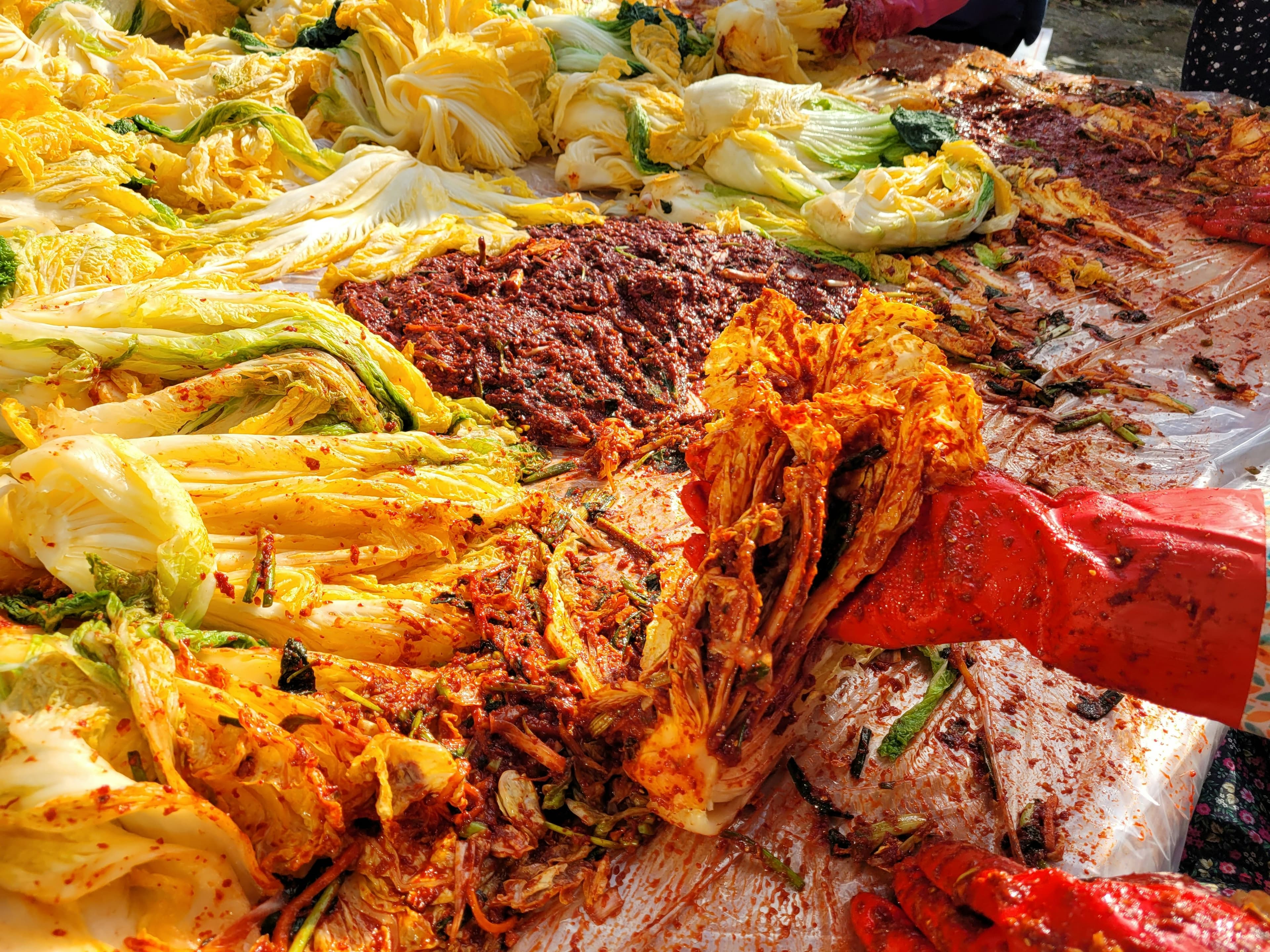
Kimchi is one of the best fermentation projects for fall for two reasons: Napa cabbage is at its peak in autumn, and the cooler temperatures produce the slow, complex fermentation that makes kimchi exceptional. A batch takes about an hour of active prep — salting, rinsing, mixing with gochugaru paste — then ferments at room temperature for 1–2 days before going into the fridge to continue developing flavor.
Good kimchi at one week is excellent. Good kimchi at one month is transcendent. This is a project that rewards patience.
Full guide: How to Make Kimchi →
3. Sauerkraut
Ready in: 1–6 weeks · Difficulty: Beginner
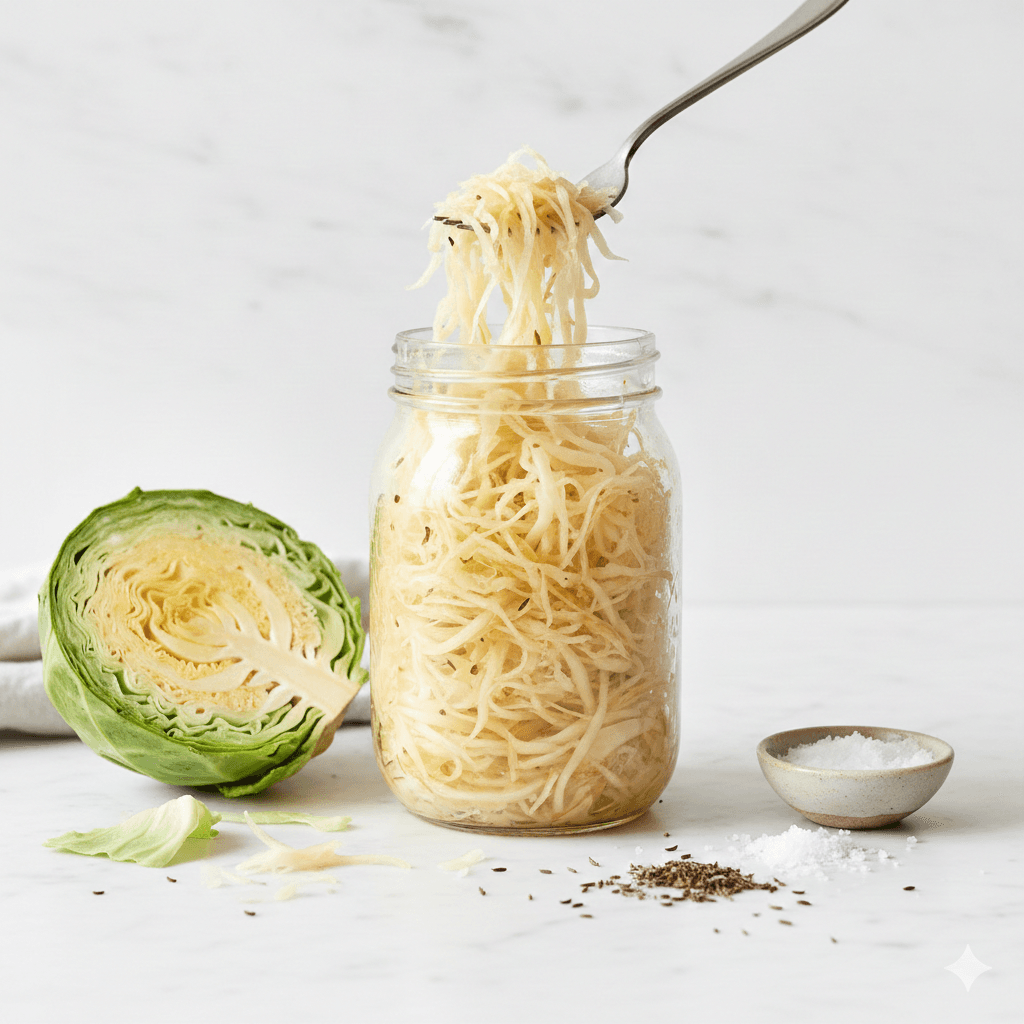
Sauerkraut is the classic beginner ferment for a reason: two ingredients (cabbage and salt), one piece of equipment (a mason jar), and a foolproof method. Autumn cabbages are denser and sweeter than summer varieties, which translates directly into better sauerkraut. Shred, salt, massage until the cabbage releases liquid, pack into a jar, and wait.
At one week you have a mild, crunchy sauerkraut. At three to four weeks, the flavor is fully developed and deeply tangy. The fall timing is ideal — the sauerkraut will be ready to eat through the winter.
Full guide: How to Make Sauerkraut →
4. Root Vegetable Kvass
Ready in: 2–5 days · Difficulty: Beginner
Kvass is a fermented brine drink — earthy, slightly sour, deeply nourishing. The classic version uses beets, but fall root vegetables (carrots, turnips, parsnips) all work well. Chop the vegetables roughly, pack into a jar with salt water, and ferment at room temperature until pleasantly tangy. You drink the liquid, which is rich in electrolytes and live cultures.
Root vegetable kvass is the kind of thing you drink a small glass of with breakfast or as a pre-meal digestive. It's an acquired taste — earthy and tart — but one of the most nourishing fermented drinks you can make.
Full recipe: Fermented Beet Kvass →
5. Apple Cider Vinegar
Ready in: 6–9 weeks · Difficulty: Beginner (long-ferment)
Homemade apple cider vinegar is a two-stage ferment: apple scraps ferment into hard cider first, then the cider ferments again into vinegar. You're using the apple peels and cores that would otherwise go in the compost — and turning them into something you can use in cooking, salad dressings, and as a household cleaner for the next year.
Start this project in September or October when apples are at their sweetest and most abundant. Combine apple scraps with water and a little sugar, ferment for 2–3 weeks until it smells like cider, then strain and ferment open to the air for another 4–6 weeks until vinegary. The wide-mouth half-gallon mason jar variety pack is ideal — you want a large surface area for vinegar fermentation.
6. Wild Fermented Apple Cider
Ready in: 1–3 weeks · Difficulty: Intermediate
Fresh-pressed apple cider from an orchard (not pasteurized, preferably no preservatives) will naturally ferment into hard cider if you simply leave it. Pour it into a sanitized jug with an airlock, set it at room temperature, and wild yeasts present on the apple skins go to work. In 7–14 days you have a lightly alcoholic, naturally carbonated hard cider with real apple character.
Wild fermentation results vary — the cider's wild yeast population determines the outcome. Some batches are exceptional; some are rough around the edges. That unpredictability is part of the appeal. This is an ideal fall weekend project when fresh cider is available at farm stands and orchards.
7. Kimjang Kimchi for Winter
Ready in: 1–2 days active + weeks of storage · Difficulty: Intermediate
Kimjang is the Korean tradition of making large quantities of kimchi in late autumn to store through winter. Recognized by UNESCO as an Intangible Cultural Heritage, kimjang is traditionally a communal event — families and neighbors gather to make hundreds of pounds of kimchi together. For a home kitchen, even a single large batch (one or two heads of cabbage) captures the spirit.
The timing is intentional: late fall cabbages are at their sweetest, and the cold of approaching winter creates ideal slow-fermentation conditions. Kimjang kimchi ferments slowly, developing extraordinary complexity over weeks and months. Start your kimjang batch in November and you'll have deeply developed kimchi through March.
Full guide: Kimjang — The Korean Tradition of Making Kimchi for Winter →
A Note on Equipment
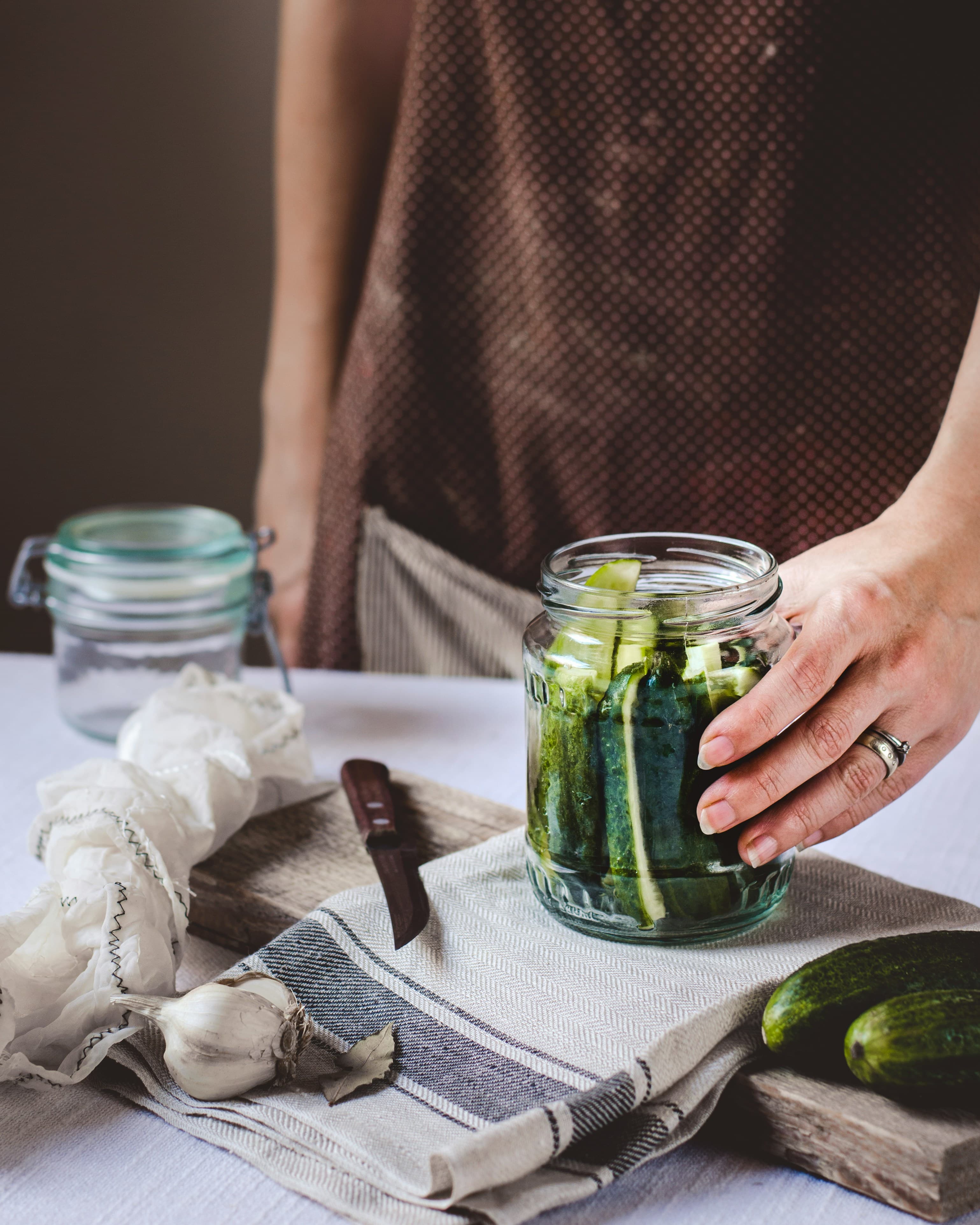
Most of these projects require nothing more than mason jars, non-iodized salt, and time. A few things will make your fermentation life easier:
- Wide-mouth mason jars in quart and half-gallon sizes handle the majority of home fermentation projects. A mason jar variety pack gives you the range of sizes you'll actually use.
- Fermentation weights keep vegetables submerged below the brine line, preventing kahm yeast and mold.
- A good book. The Art of Fermentation by Sandor Katz is the most comprehensive fermentation reference available and worth owning if you plan to go deep. It covers every project on this list and hundreds more.
Autumn is the right time to start. Pick one project, gather your supplies, and see what happens. The satisfaction of eating something you fermented yourself — something alive and made from a handful of simple ingredients — doesn't get old.