What Is Cultured Butter?
Most butter you buy at the store is “sweet cream butter” — made by churning fresh cream. It's fine. Cultured butter is something else entirely. You take that same cream, inoculate it with live bacterial cultures (the same kind used in yogurt or crème fraîche), let it ferment overnight, and then churn it. The result is a butter with a subtle tang, a deeper flavor, and a richness that sweet cream butter just can't touch.
European-style butters — the ones that cost $6 or more at the grocery store — are almost all cultured. Once you make it yourself, you'll realize how easy and inexpensive it is. And the buttermilk you get as a byproduct? It's real cultured buttermilk, perfect for pancakes, biscuits, and dressings.
The Process
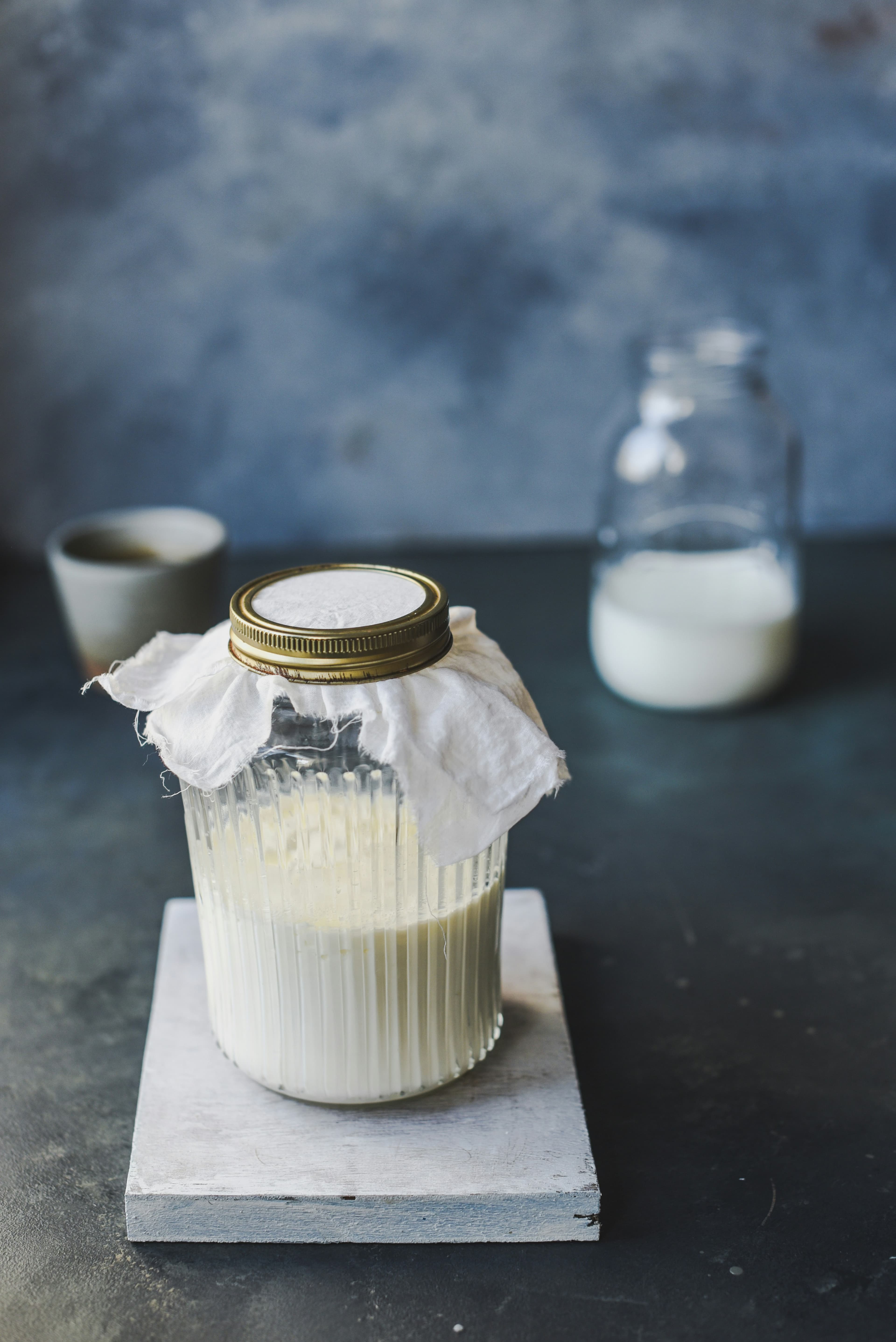
Culture the cream. Pour the heavy cream into a clean jar. Add the yogurt or cultured buttermilk and stir to combine. Cover loosely with a lid (don't seal tight — the bacteria need some air exchange) and leave at room temperature (68–75°F / 20–24°C) for 12 to 24 hours. The cream will thicken slightly and develop a pleasant, tangy smell — like crème fraîche. That's exactly what you've made at this stage.
Chill the cultured cream. Once the cream has thickened and tastes tangy (usually after 12–18 hours), put it in the fridge for at least 1 hour. Cold cream churns much faster and more cleanly. This step isn't optional — room temperature cream takes forever to break and makes a mess.
Churn (shake). Seal the jar tightly and shake vigorously. At first it'll feel like thick cream sloshing around. After 5–10 minutes, it'll go through a whipped cream stage where nothing seems to be moving. Keep shaking. Suddenly, the fat will separate from the liquid — you'll hear it change from a thick slosh to a distinct solid-plus-liquid sound. That's your butter forming.
💡 Not into shaking for 10 minutes?
You can use a stand mixer with the whisk attachment (medium-high speed, 3–5 minutes) or a food processor (1–2 minutes). Cover the bowl with plastic wrap to avoid splatter. The jar method is fun and requires no cleanup, but machine methods are faster. A marble in the jar also speeds things up.
Separate and save the buttermilk. Pour the contents through a fine-mesh strainer set over a bowl. The liquid that drains off is real cultured buttermilk — save it. It's incredible for baking. You'll be left with a clump of soft, yellow butter solids in the strainer.
Wash the butter. This is the step most people skip, but don't. Transfer the butter to a bowl of ice water and knead it with your hands or a spatula. The water will turn milky — pour it off and add fresh ice water. Repeat 3–4 times until the water stays clear. Washing removes residual buttermilk, which would cause the butter to go rancid quickly. Well-washed butter keeps for weeks.
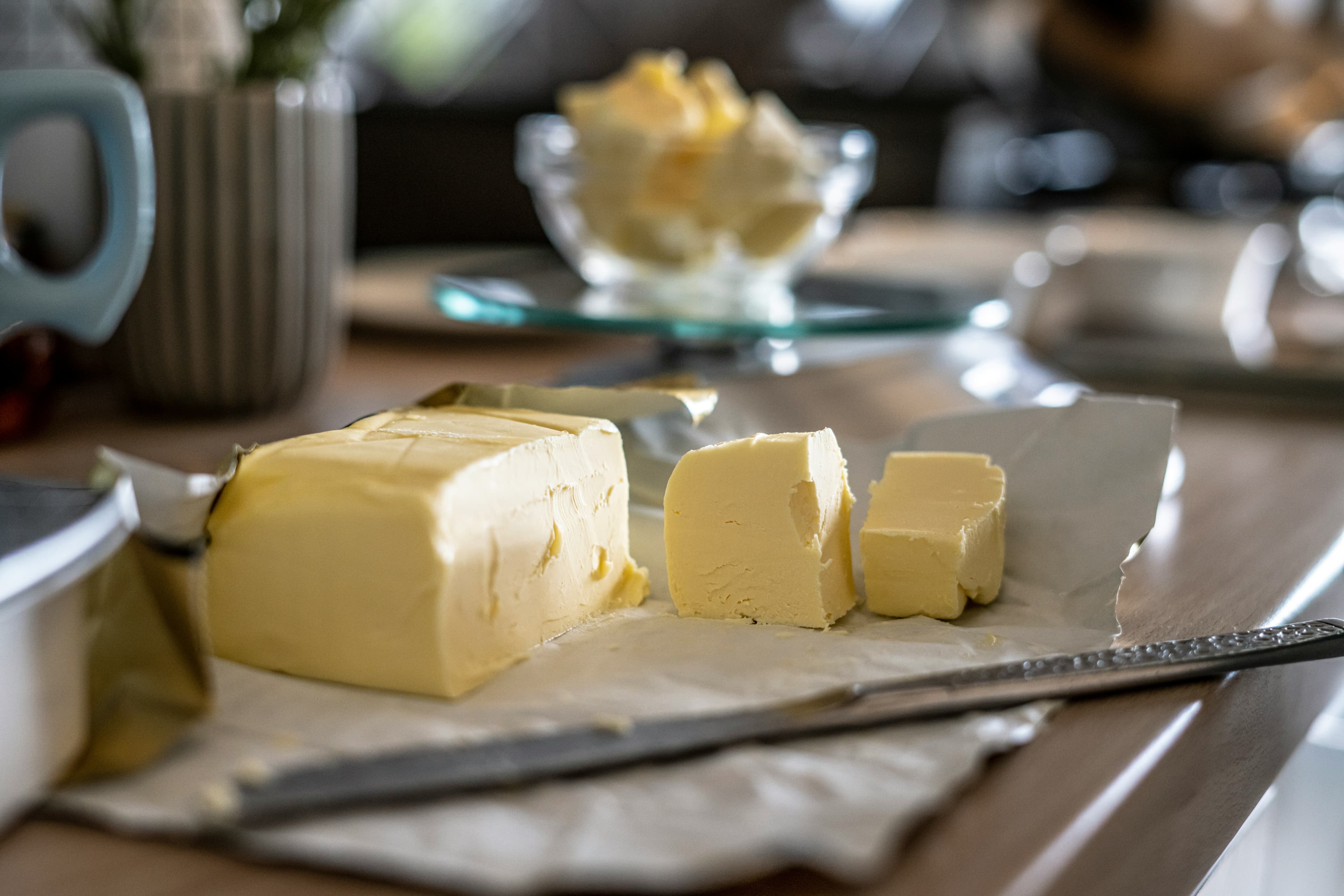
Season and shape. Add salt if you like and knead it in. Shape the butter into a log using parchment paper or pack it into a small jar. Refrigerate. Your cultured butter is done.
🧈 Compound butter ideas
Homemade cultured butter is the perfect canvas for compound butter. Knead in fresh herbs (chives, dill, parsley), roasted garlic, honey, lemon zest, smoked paprika, or even a touch of miso paste. Roll into a log, wrap in parchment, and slice off rounds as needed. These make incredible gifts too.
Troubleshooting
The cream won't break into butter
It's probably too warm. Put the jar back in the fridge for 30 minutes and try again. Cream needs to be cold (around 55–60°F / 13–15°C) to churn properly. If you're using a jar, make sure it's no more than half full — the cream needs room to slosh.
The butter is too soft and won't hold together
Work it in ice water for a few more rounds. Soft butter usually just means it hasn't been washed and kneaded enough. The ice water firms it up and removes excess buttermilk. If it's still too soft after thorough washing, refrigerate for an hour and knead again while cold.
The cream didn't thicken during culturing
Your starter may not have had active cultures. Check that the yogurt or buttermilk you used specifically says “live active cultures” on the label. Ultra-pasteurized cream can also be harder to culture — it works, but it may take longer. Try extending the culturing time to a full 24 hours.
The butter tastes off
If it's too sour, you cultured the cream too long — cut back to 12 hours next time. If it tastes rancid or cheesy, it wasn't washed thoroughly enough. Residual buttermilk spoils quickly and creates off-flavors. Wash until the water is completely clear.
Storage
Well-washed cultured butter keeps in the fridge for 2–3 weeks. For longer storage, freeze it — butter freezes beautifully for up to 6 months. Wrap tightly in parchment, then foil or a freezer bag. The cultured buttermilk keeps in the fridge for about a week. Use it for pancakes, biscuits, ranch dressing, fried chicken batter, or anywhere a recipe calls for buttermilk.
Cultured butter is part of the dairy fermentation family. Homemade yogurt is the starter culture you use here, and understanding how it works makes you a better butter maker. Homemade cheese uses the same cream and culture approach taken further. And for the perfect vehicle to show off your cultured butter, nothing beats a loaf of sourdough bread.