What Is Tepache?
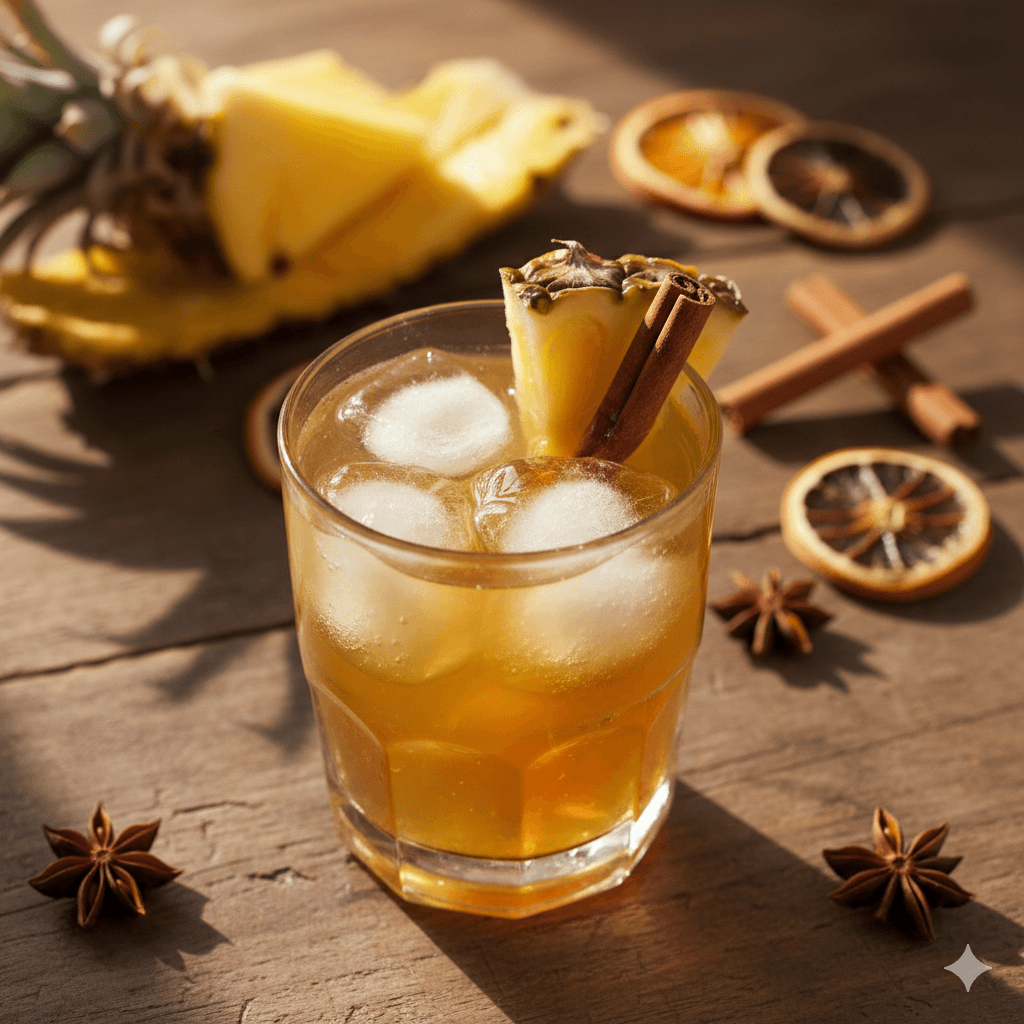
Tepache is a traditional Mexican fermented drink made from pineapple rinds, sugar (traditionally piloncillo), and warm spices like cinnamon. It's been around for centuries — long before craft kombucha was a thing — and it's one of the most refreshing fermented drinks you'll ever try.
The beauty of tepache is its simplicity. You're essentially fermenting pineapple scraps in sugar water. The wild yeast and bacteria on the pineapple skin do all the work, converting sugar into a lightly fizzy, mildly alcoholic (usually under 2%), tangy-sweet beverage. It tastes like a tropical soda with depth — pineapple upfront, warm spice underneath, and a pleasant tartness that keeps you coming back for more.
Best of all, it's ready in 2–3 days. No SCOBY, no grains, no starter culture needed. Just a pineapple and some patience. For other naturally fermented drinks to try alongside tepache, check out ginger bug sodas and water kefir. For tea-based fermentation, see the kombucha brewing guide.
🍍 Don't peel that pineapple
The wild yeast that drives tepache fermentation lives on the pineapple skin. That's why you want an organic or at least unwaxed pineapple — heavily treated skins may not have enough active yeast to get things going. Give it a good rinse, but don't scrub off the good stuff.
The Process
Prep the pineapple. Cut the top and bottom off the pineapple. Slice the rind off in strips, keeping as much flesh attached as possible. Cut the core into chunks. You can eat the rest of the pineapple flesh — you mainly need the rind and core for tepache, though adding some flesh makes for a richer flavor.
Dissolve the sugar. Warm about 2 cups of water (not boiling — just warm enough to dissolve sugar). Add the piloncillo or brown sugar and stir until fully dissolved. Let it cool to room temperature.
Combine everything. Place the pineapple rinds, core chunks, cinnamon stick, and cloves into your jar. Pour in the sugar water and the remaining 6 cups of room-temperature water. The pineapple should be mostly submerged — it'll float, and that's fine.
Cover and ferment. Cover the jar with a cloth and secure with a rubber band. Leave it at room temperature (70–85°F / 21–29°C) for 2–3 days. Stir once or twice a day. You'll start seeing small bubbles within the first 24 hours — that means the yeast is active and working.
Taste and strain. Start tasting on day 2. You want a balance of sweet, tart, and fizzy. If it's still too sweet, let it go another day. If it's getting vinegary, you've gone a bit too far (but it's still drinkable — just more tangy). Once it tastes right, strain out the solids. Serve over ice.
💡 Want more fizz?
After straining, pour the tepache into flip-top bottles and leave at room temperature for another 12–24 hours. The sealed environment traps CO2 and gives you real carbonation. Burp the bottles once or twice to avoid too much pressure, then refrigerate.
Variations
- Tepache with chili — add a dried guajillo or ancho chili to the jar for a subtle, smoky heat that plays beautifully with the sweetness
- Ginger tepache — add a 2-inch piece of fresh ginger, sliced, for extra zing and a ginger beer crossover vibe
- Tamarind tepache — add 2–3 tablespoons of tamarind paste for a sweet-sour depth that's incredible
- Tropical blend — add mango peels or guava along with the pineapple for a more complex fruit profile
- Tepache beer — mix finished tepache 50/50 with a light Mexican lager for a traditional cantina drink
Troubleshooting
Nothing is happening after 24 hours
Give it more time — especially if your kitchen is on the cooler side. Tepache ferments faster in warm environments. If you're still seeing no activity after 48 hours, the pineapple skin may not have had enough wild yeast. Try adding a pinch of bread yeast or a splash of raw apple cider vinegar to jumpstart things.
There's white foam or scum on top
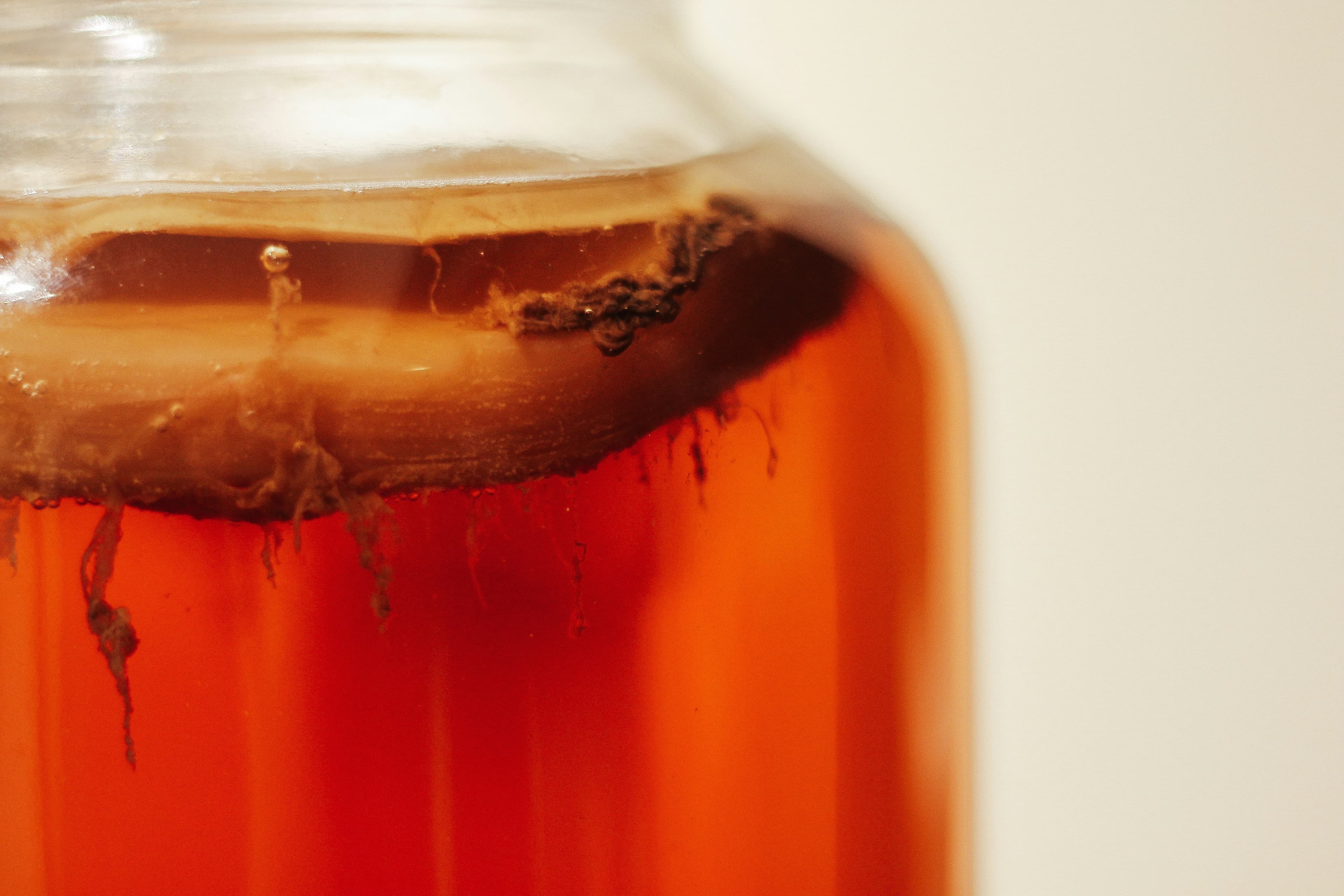
A thin white foam is normal and harmless — it's just yeast activity. Skim it off if it bothers you. Fuzzy mold (green, black, or blue) is a different story — discard and start over. Mold is rare with tepache because the sugar content and acidity usually prevent it.
It tastes like vinegar
You fermented too long. Acetobacter (vinegar-producing bacteria) took over. This is more common in warmer climates or if the jar was left unchecked for 4+ days. Next time, start tasting earlier and strain sooner. The vinegary batch is still safe — use it in marinades or salad dressings.
It's too sweet
Just let it ferment longer. The yeast will continue eating the sugar. You can also reduce the sugar in your next batch — tepache is flexible. Start with 3/4 cup instead of a full cup and see if you prefer it.
Serving Ideas
Tepache is best served ice-cold. Here are some ways to enjoy it:
- Straight over ice — the classic way, garnished with a wedge of pineapple or lime
- Mixed with beer — half tepache, half light lager, over ice. A traditional Mexican combination.
- Cocktail base — use it in place of simple syrup and soda in tequila or mezcal drinks
- Morning refresher — tepache with a squeeze of lime and a pinch of tajín
Storage
Strained tepache keeps in the fridge for about a week. It'll continue to slowly ferment even in the cold, so it'll get tangier over time. The carbonation will also build if stored in sealed bottles — burp them occasionally. For best results, drink it within 3–5 days.
You can reuse the pineapple rinds for a second batch — just add fresh sugar water. The second batch will ferment faster since the yeast is already active, but the flavor will be milder. Most people get one good second batch before the rinds are spent.