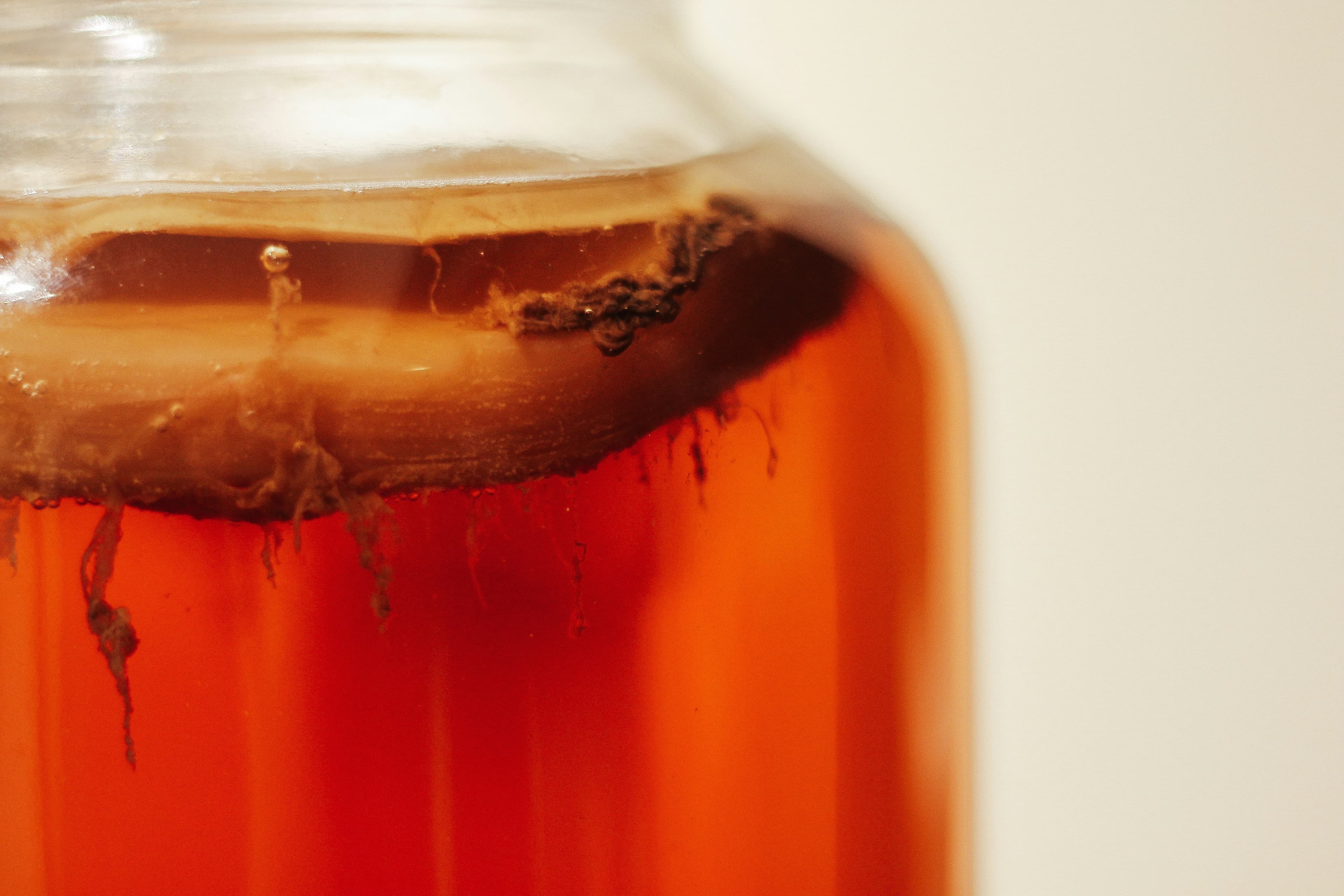
January brings a wave of gut health content — most of it either breathlessly enthusiastic or dismissively skeptical. The truth is more interesting than either extreme.
Fermented foods do appear to benefit gut health in meaningful ways. The research is still developing, but there's enough good evidence to say something useful — without overpromising. Here's an honest breakdown of what we know, what's unclear, and what it means for what you eat.
What “Gut Health” Actually Means
Your gut contains trillions of microorganisms — bacteria, fungi, viruses — collectively called the gut microbiome. A diverse, well-balanced microbiome is associated with better digestion, stronger immune function, reduced inflammation, and even mental health outcomes.
“Gut health” generally refers to supporting this ecosystem: keeping beneficial bacteria populations healthy, maintaining the gut lining, and reducing conditions that favor harmful bacteria.
Diet is one of the most significant factors. What you eat shapes your microbiome — and fermented foods are one of the most studied dietary interventions.
What the Research Shows
A 2021 study published in Cell (Wastyk et al.) is one of the most cited recent pieces of evidence. Researchers randomly assigned participants to either a high-fiber diet or a high-fermented-food diet for 10 weeks. The fermented food group showed increased microbiome diversity and decreased markers of immune activation — both positive outcomes.
This is notable because the fermented food group didn't just get more probiotics — they showed measurable changes in the composition and activity of their gut microbiome.
Other research areas of interest include:
- Lactobacillus and Bifidobacterium strains (found in yogurt, kefir, and some fermented vegetables) have been associated with reduced symptoms in people with irritable bowel syndrome (IBS) in multiple trials, though results vary by strain and individual.
- Fermented dairy (kefir, yogurt) shows the most consistent evidence across studies, partly because the strains are well-characterized and easier to study.
- Fermented vegetables (sauerkraut, kimchi) show promising results, but fewer large randomized trials exist compared to dairy-based ferments.
- Kombucha is less studied than other ferments. The evidence for gut-specific benefits is thinner, though it does contain live cultures and organic acids.
What's Still Unclear
The honest version of the gut health story includes a lot of “we're not sure yet.” Here are the main open questions:
- Do the bacteria survive digestion? Many probiotic bacteria don't survive stomach acid in large numbers. But some research suggests the benefit doesn't require live bacteria to reach the colon — the metabolites they produce during fermentation may also matter.
- How much do you need to eat? Most studies showing benefits involved eating fermented foods daily, often in meaningful quantities (multiple servings per day). A small spoonful of sauerkraut on a hot dog probably isn't moving the needle much.
- Individual variation is large. The same fermented food can affect different people very differently depending on their existing microbiome, genetics, and diet.
- Most studies are short-term. Long-term effects of regular fermented food consumption aren't as well characterized as the short-term outcomes.
What This Means for What You Eat
You don't need to treat fermented food as medicine. The more useful frame: it's a category of whole, minimally processed food with a reasonable evidence base for gut health benefits, and it tastes excellent. That's a good combination.
The practical version of “eat more fermented food” looks like this:
- Eat real sauerkraut or kimchi with meals a few times a week — not pasteurized shelf-stable versions, which contain no live cultures.
- Drink water kefir or kefir regularly if you tolerate dairy or enjoy the grain-based versions.
- Add live-culture yogurt to your routine. This has the most consistent research backing of any fermented food.
- Don't abandon fiber. The Cell study showed the fermented-food group outperformed the fiber group in some measures, but fiber feeds the bacteria that fermented food helps establish. They work better together.
Not sure which ferments give you the most probiotic return for the effort? We ranked them — plus the starter cultures to make each one at home — in our best fermented foods for gut health comparison.
Making Your Own vs. Buying It
Most commercially available sauerkraut, pickles, and fermented vegetables are pasteurized — the heat treatment kills the live cultures. The only way to know you're getting live bacteria is to buy refrigerated, unpasteurized versions (usually found near the deli section, not on the shelf) or to make it yourself.
Making it yourself also gives you control over salt content and quality of ingredients. A jar of homemade sauerkraut costs roughly a dollar and produces enough for several weeks of daily eating.
If you want to start, our beginner's guide to fermentation covers everything you need from scratch. For people interested in something drinkable, our water kefir guide and kombucha guide are both good starting points.
The Bottom Line
Fermented foods are not magic, and they're not a cure for anything. But there's genuine scientific support for their role in a gut-healthy diet — and that support is growing. Eating more of them is a reasonable thing to do, especially when the food itself is as good as sauerkraut, kimchi, kefir, or preserved lemons.
For a more detailed look at specific benefits and the research behind them, read our guide to the benefits of fermented foods.