Most fermentation problems have simple causes and straightforward fixes. Whether you're staring at a jar that won't bubble, a batch with something floating on top, or a finished ferment that tastes completely wrong — the answer is almost always in this list.
Problem 1: No Bubbles
What it looks like: Your sauerkraut, kimchi, or pickles have been sitting for a day or two and you see zero activity.
Cause: Temperature is the main culprit. Fermentation slows dramatically below 65°F. Low-sugar vegetables (like cucumbers) also ferment more quietly than high-sugar ones (like carrots or beets). A new batch often has a lag period of 24–48 hours before activity becomes visible.
Fix: Move the jar somewhere warmer — 68–75°F is ideal. Wait another 24 hours and taste. If it's becoming tangy, it's working, even if you can't see it. Bubbles are a sign of fermentation, not a requirement.
Problem 2: White Film on Top
What it looks like: A flat, white, smooth film spreading across the surface of the brine.
Cause: This is kahm yeast — a harmless wild yeast that's very common in vegetable ferments. It's not mold. It's not dangerous. It's a nuisance that can contribute off-flavors if left unchecked.
Fix: Skim it off with a clean spoon, wipe the jar rim, and make sure all vegetables are submerged under brine. Keep the ferment at a slightly cooler temperature going forward and refrigerate sooner.
How to tell kahm from mold: Kahm is flat, smooth, and white/cream. Mold is fuzzy, raised, and can be white, gray, green, blue, or black. If it's fuzzy or any color other than white/cream, treat it as mold.
Problem 3: Actual Mold
What it looks like: Fuzzy growth, raised off the surface, possibly colored (gray, green, blue, black).
Cause: Vegetables were exposed to air above the brine. Mold is aerobic — it can only grow where oxygen reaches.
Fix: If the mold is only on the surface and the vegetables below the brine smell and taste fine, some fermenters skim it and continue. Others discard the batch. The safe rule: if the ferment smells pleasant and sour, the submerged portion is likely fine. If it smells putrid or rotten below the surface, discard it.
Prevention: Always keep vegetables submerged. Use a fermentation weight or a folded cabbage leaf to hold things down. See our guide to vegetable fermentation troubleshooting for more detail on when to save vs. discard.
Problem 4: Ferment Is Too Salty
What it looks like: The finished ferment is so salty it's unpleasant to eat.
Cause: Either too much salt was used in the initial recipe, or (for ferments like sauerkraut) the cabbage wasn't rinsed enough after salting.
Fix: Rinse the finished ferment briefly under cold water before eating. It won't ruin the flavor — just removes surface salt. For future batches, measure salt by weight rather than volume. Two percent salt by weight is standard for most vegetable ferments. See our post on salt for fermentation for specific measurements.
Problem 5: Ferment Is Too Sour
What it looks like: The finished ferment is aggressively sour — almost unpleasantly acidic.
Cause: Over-fermentation. Left at room temperature too long before refrigerating.
Fix: Very sour ferments are excellent in cooked applications — kimchi jjigae, sauerkraut soup, kimchi fried rice, or Reuben sandwiches. The high acidity is less noticeable when it's cooked into something.
Prevention: Taste your ferment daily during room- temperature fermentation. Refrigerate as soon as it hits your preferred sourness level. The fridge doesn't stop fermentation — it just slows it dramatically.
Problem 6: Soft or Mushy Vegetables
What it looks like: The vegetables have lost their crunch and turned soft, limp, or mushy.
Cause: Over-fermentation, salt that was too low, or pectinase activity from the vegetables themselves (common with cucumbers). Fermentation at high temperatures also speeds softening.
Fix: Soft ferments are usually still safe to eat — just not texturally appealing. Use them in cooking.
Prevention: Ferment at cooler temperatures (65–72°F). Refrigerate sooner. Use the correct salt ratio. For cucumbers specifically, cut off both blossom ends — they contain pectinase that softens the pickle. Adding a tannin source (grape leaves, oak leaves, black tea leaves, horseradish leaves) helps maintain crunch.
Problem 7: Vegetables Turned Pink or Discolored
What it looks like: Your sauerkraut turned pink. Your garlic turned blue-green. Your brine is murky.
Cause: These are all normal and usually harmless. Garlic turning blue-green is a chemical reaction between sulfur compounds in the garlic and trace minerals — completely safe. Sauerkraut can take on pinkish hues from the outer leaves. Murky brine is a sign of active fermentation — the cloudiness is beneficial bacteria.
Fix: Nothing to fix. Taste and smell are your guides. If it smells and tastes right, color changes are cosmetic.
Problem 8: Fermentation Is Overflowing
What it looks like: Brine is bubbling up and overflowing out of the jar.
Cause: CO₂ produced by active fermentation is pushing liquid out. This is most common in the first 1–3 days with high-sugar vegetables or in warm kitchens.
Fix: Place the jar on a plate to catch overflow. Press the vegetables down once or twice a day to release trapped gas. Leave more headspace in the jar next time (at least 1–2 inches at the top).
Problem 9: Ferment Has an Off or Unpleasant Smell
What it looks like: The smell is bad in a way that goes beyond ordinary sourness — rotten, putrid, or foul.
Cause: True spoilage. This can happen when salt was far too low, when vegetables were left exposed to air, or when the environment was contaminated.
Fix: Discard and start over. A healthy ferment should smell sour and sharp — vinegary, funky, alive. It should not smell rotten or decomposed. When in doubt, trust your nose. The smell of a bad ferment is unmistakable.
Problem 10: Brine Level Dropped Below Vegetables
What it looks like: The brine level has dropped and the top of the vegetables is now exposed to air.
Cause: CO₂ production displaced some brine, or some evaporated. Common in longer ferments or unsealed jars.
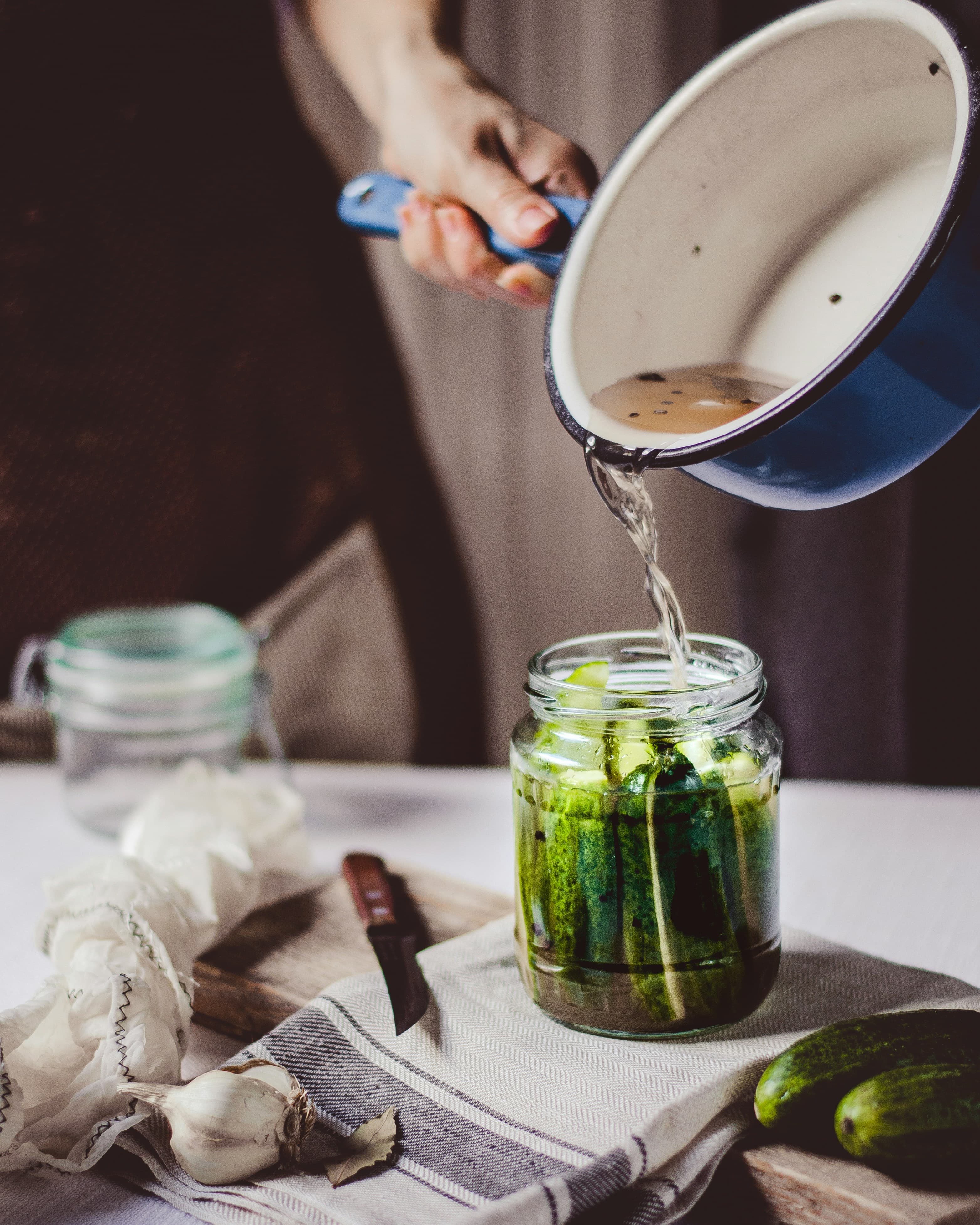
Fix: Make a small batch of 2% brine (1 teaspoon non-iodized salt dissolved in 1 cup of filtered water) and top up the jar until the vegetables are covered again. Press them back down and continue fermenting.
The Core Rule That Prevents Most Problems
The vast majority of fermentation problems come down to two things: wrong salt ratio and vegetables exposed to air. Use 2% salt by weight, keep everything submerged, and ferment at 65–75°F. Everything else is manageable.
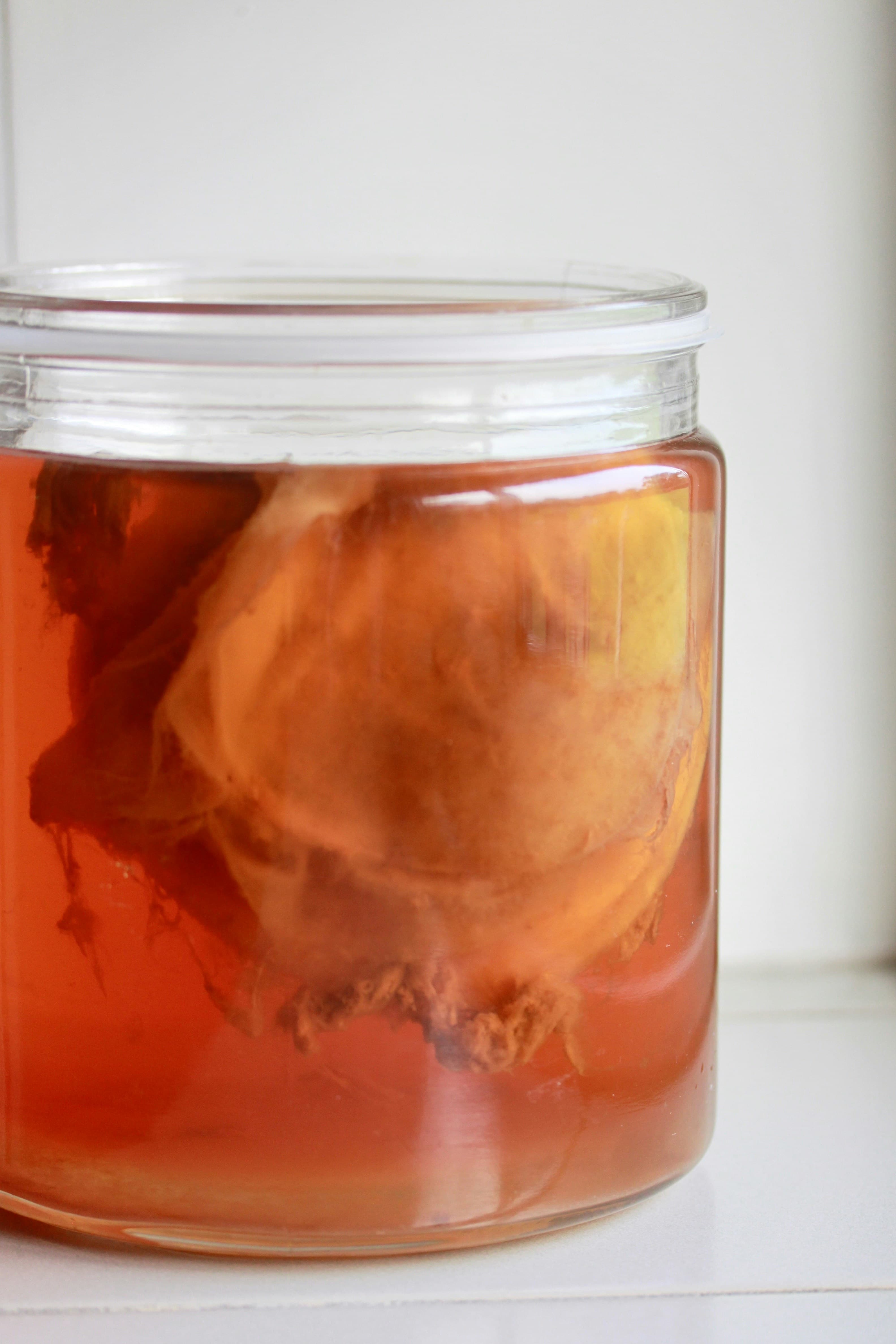
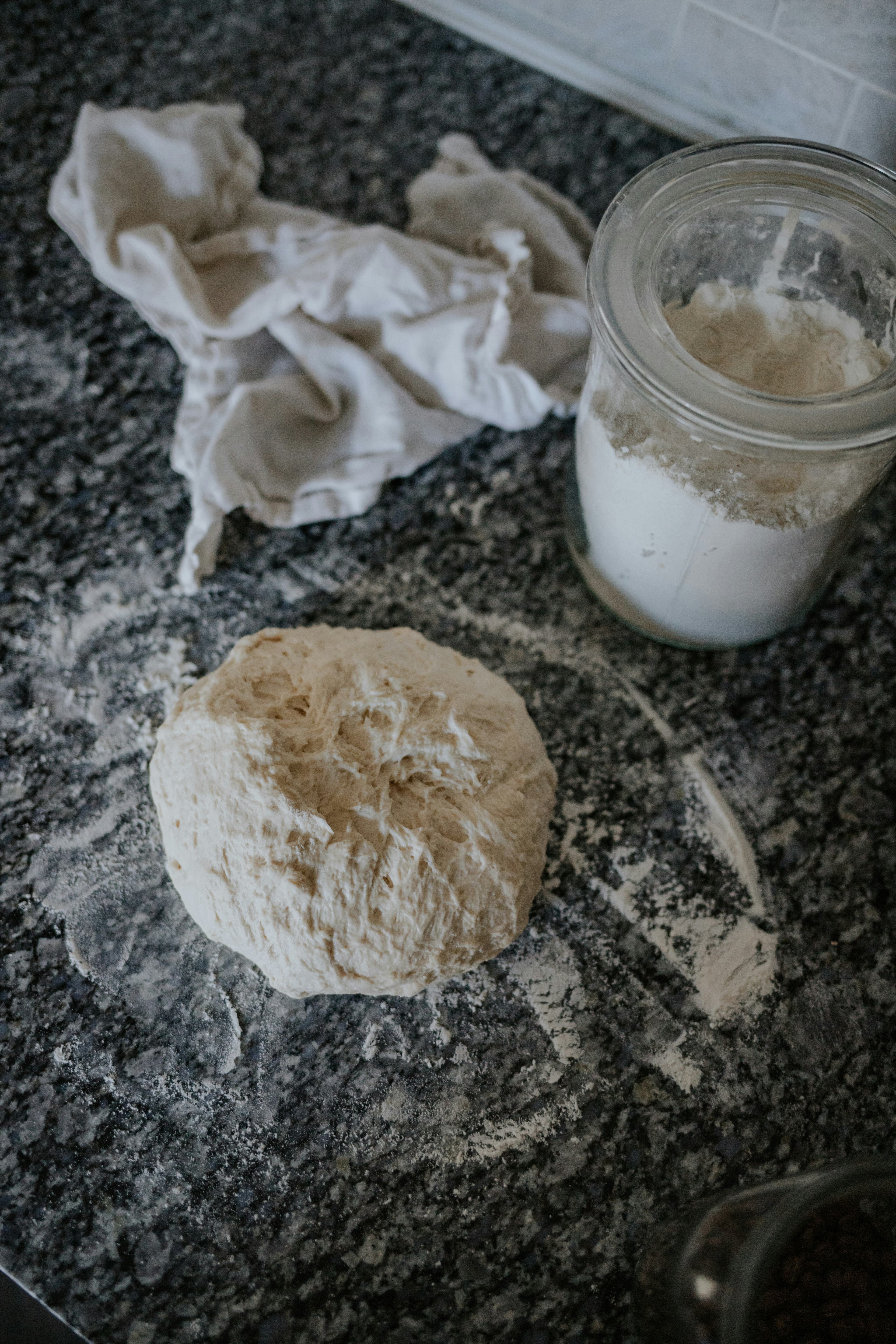
For ferment-specific troubleshooting, see our guides on vegetable fermentation troubleshooting, kombucha troubleshooting, and sourdough starter troubleshooting. And if you haven't already, our post what is kahm yeast covers the most common surface growth question beginners ask.
Smell it before you throw it out.
A lot of ferments get discarded unnecessarily. Murky brine, white film, color changes, and vigorous bubbling are all normal. The real test is smell — and then taste. A healthy ferment smells sour and alive. Only a ferment that smells rotten or putrid needs to go. When in doubt, smell it first.