If you maintain a sourdough starter, you already know the routine: feed it, wait, bake with it, and pour the leftover half down the drain. That last step is the one worth rethinking. Sourdough discard is not waste — it's one of the most useful ingredients in a home baker's kitchen. And the single best thing you can do with it on a weekend morning is make waffles.
These are not subtle waffles. They come out of the iron genuinely crispy, with a tang that you can't get from a boxed mix, and a slightly open, airy crumb that soaks up maple syrup without going soggy. They also come together in about 20 minutes, which makes them a realistic weekday option if you're motivated enough.
Why Sourdough Discard Makes Waffles Better
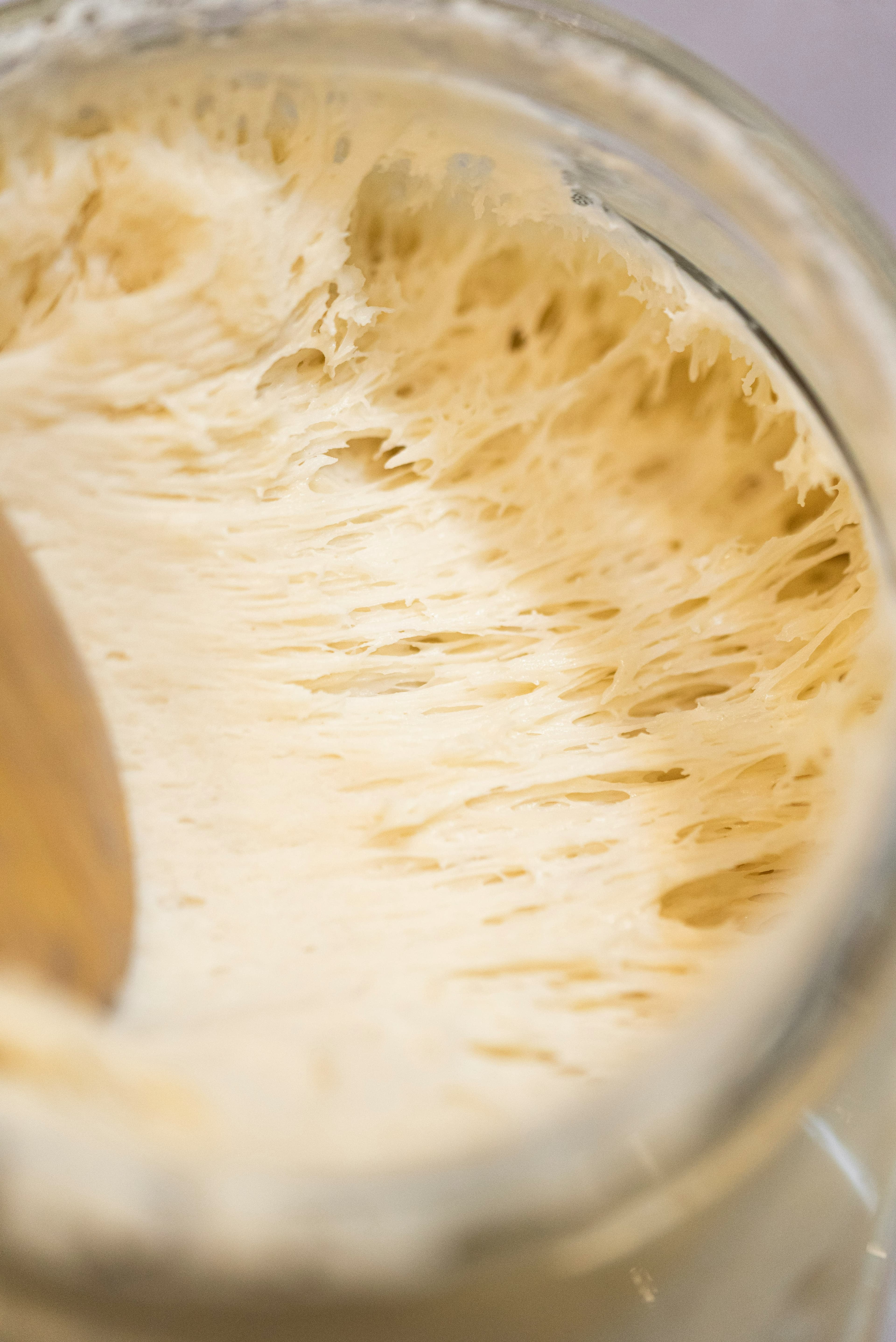
Sourdough discard is fermented flour and water. Even if it's been sitting in your fridge for a week, it's acidic, alive (if dormant), and packed with flavor compounds that plain flour simply doesn't have. When you fold it into a waffle batter, a few things happen.
First, the acidity reacts with the baking soda in the recipe to produce lift — the same reaction you get in a buttermilk pancake, but with more complexity. Second, the fermented flour contributes a mild, pleasant sourness that balances sweet toppings and makes the waffle taste like something, not just a vehicle for syrup. Third — and this is the part that surprises people — the fermentation process breaks down some of the gluten and starches in the flour, which means the waffles stay crispy longer after they come off the iron. That's a meaningful win if you're making a batch for more than one person.
The Recipe
This is a straightforward, reliable recipe. It works with discard that's been in the fridge for up to two weeks. Older discard gives a stronger tang; fresher discard is milder. Both are good — it just depends on what you're in the mood for.
Ingredients
- 1 cup sourdough discard (unfed, straight from the fridge is fine)
- 1 cup all-purpose flour
- 1 large egg
- 3/4 cup whole milk
- 3 tbsp melted butter (plus more for the waffle iron)
- 1 tbsp sugar
- 1 tsp baking powder
- 1/2 tsp baking soda
- 1/2 tsp salt
Steps
1. Preheat your waffle iron. A properly hot iron is the single most important factor in a crispy waffle. Give it at least 5 minutes to come up to full temperature before you pour your first one.
2. Mix the wet ingredients. In a large bowl, whisk together the sourdough discard, egg, milk, and melted butter until smooth. The discard will incorporate easily — no need to overthink it.
3. Add the dry ingredients. Sprinkle in the flour, sugar, baking powder, baking soda, and salt. Stir until just combined. Stop when you don't see dry flour streaks — lumps are fine and actually preferable. Overmixing develops gluten and makes tough waffles.
4. Rest for 5 minutes. While the batter rests, the baking soda and baking powder activate and the batter thickens slightly. This resting step is short but it matters.
5. Cook. Brush your iron with a little melted butter, pour in enough batter to fill the grid, close the lid, and don't open it for at least 3 minutes. The steam stops — that's your signal the waffle is done. It should be deep golden and crispy. If it's pale, give it another minute.
Makes 4–5 standard waffles. Serve immediately, or keep warm on a wire rack in a 200°F oven (a plate stacks and steams them; a rack keeps them crispy).
Four More Discard Breakfast Ideas
Waffles are the headliner, but sourdough discard works beautifully in a handful of other breakfast formats. Here are four worth keeping in rotation.
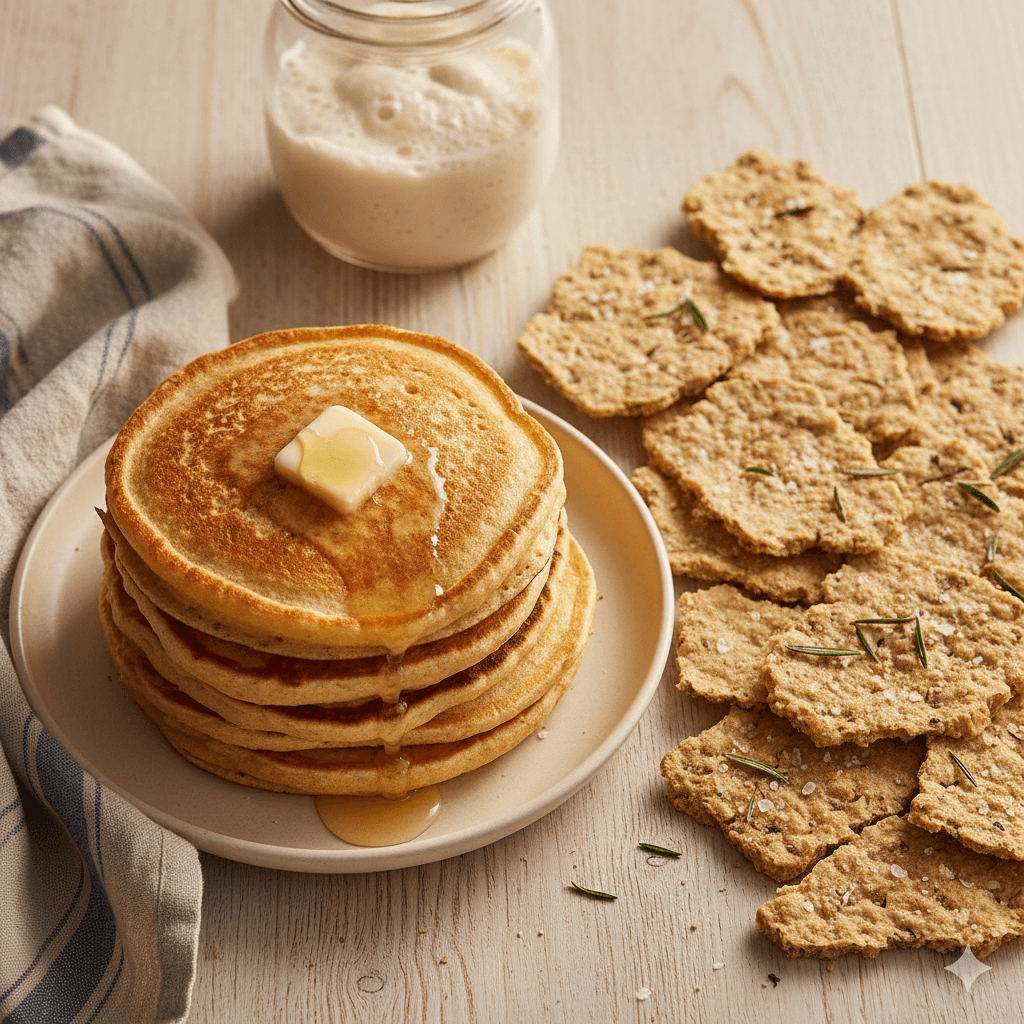
Pancakes. The same batter as above, thinned slightly with an extra splash of milk, makes excellent pancakes. Because you're not relying on a hot iron for crispiness, the fermented tang becomes even more noticeable — they taste more complex than a standard pancake with almost no extra effort. Cook on a buttered griddle over medium heat; flip when the edges look set and bubbles stop filling in.
Crepes. Thin the discard down with milk and an egg to a loose, pourable consistency, season with a pinch of salt, and cook in a wide nonstick pan with a tiny amount of butter. Sourdough crepes have a subtle savory quality that makes them outstanding with both sweet fillings (jam, Nutella, banana) and savory ones (eggs, cheese, herbs). The batter benefits from a 30-minute rest if you have the time.
English muffins. A more involved project, but completely doable on a weekend morning if you start early. Discard English muffins use the starter's fermentation to develop the flavor and some of the rise, giving you the nooks-and-crannies texture that makes a proper English muffin what it is. They cook in a skillet or on a griddle, no oven required. The tang pairs perfectly with butter and a good jam.
Banana bread. Not strictly a "quick" breakfast since it bakes for an hour, but if you make it the night before, it's ready when you are. Replacing about a third of the flour with sourdough discard adds a quiet depth to banana bread that most people can't identify but immediately prefer. It also keeps the loaf moist longer than a standard recipe.
Unfed vs. Fed Discard: Does It Matter?
For all of these recipes, unfed discard — the stuff you pull out before feeding your starter — works perfectly and is actually what most of these recipes are designed for. It's more acidic, which drives more flavor and better leavening chemistry with baking soda.
Fed discard (starter that's been recently refreshed) is milder and slightly sweeter. It works too, but if you're trying to get that distinctive tang, reach for the jar that's been sitting in the back of the fridge all week. Up to two weeks old is fine for quick breads and batters; beyond that, taste it first and trust your nose. It should smell pleasantly sour, not unpleasant. For more on keeping a healthy starter, our sourdough starter guide covers feeding schedules and storage in detail.
Making Ahead and Freezing
Waffles freeze spectacularly well, which makes them one of the more practical things you can batch-cook on a Sunday. Make a double or triple batch, let the waffles cool completely on a wire rack, then freeze them in a single layer before transferring to a zip-lock bag. From frozen, they go straight into the toaster — 2 to 3 minutes on a medium-high setting and they come out crispy, as if they just came off the iron. This is meaningfully better than any frozen waffle you can buy.
The batter itself can also be made the night before and refrigerated. It will thicken in the fridge as the flour absorbs liquid; thin it back with a splash of milk before cooking. The overnight rest actually develops the flavor further, so day-two batter often makes slightly better waffles than fresh batter. You can do the same with pancake and crepe batters.
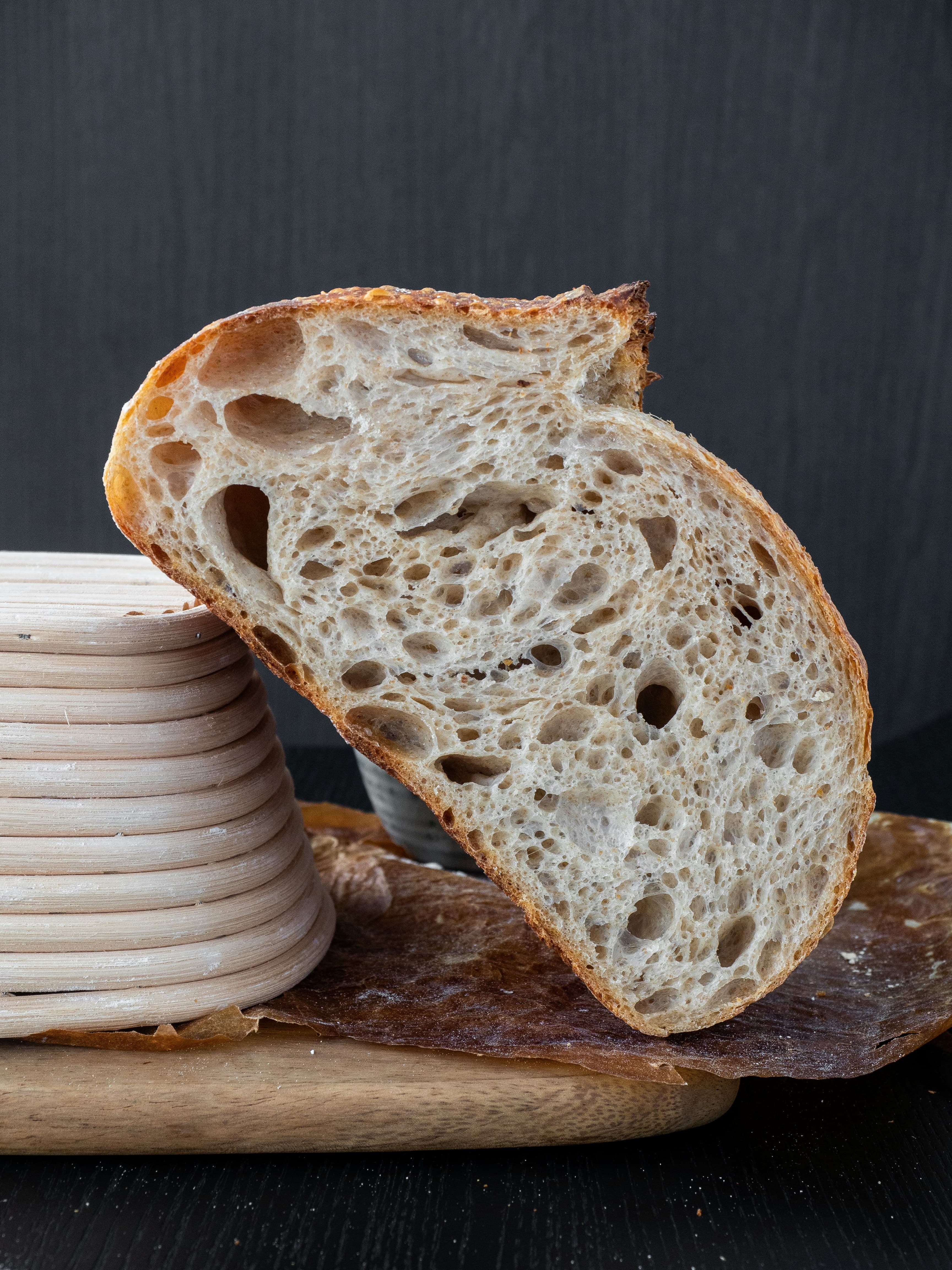
If you're building toward making sourdough bread as well, a consistent discard routine makes the whole practice feel less wasteful and more like a system. The discard becomes an ingredient you plan around rather than something you're scrambling to use up before it goes too far.
The one rule for crispy waffles.
Preheat your waffle iron fully, don't open it early, and cool finished waffles on a wire rack — never stack them on a plate while hot. Everything else is secondary. A properly hot iron and good airflow after cooking will get you crispy waffles every time, regardless of the exact recipe you use.