What Is Fermented Garlic Honey?
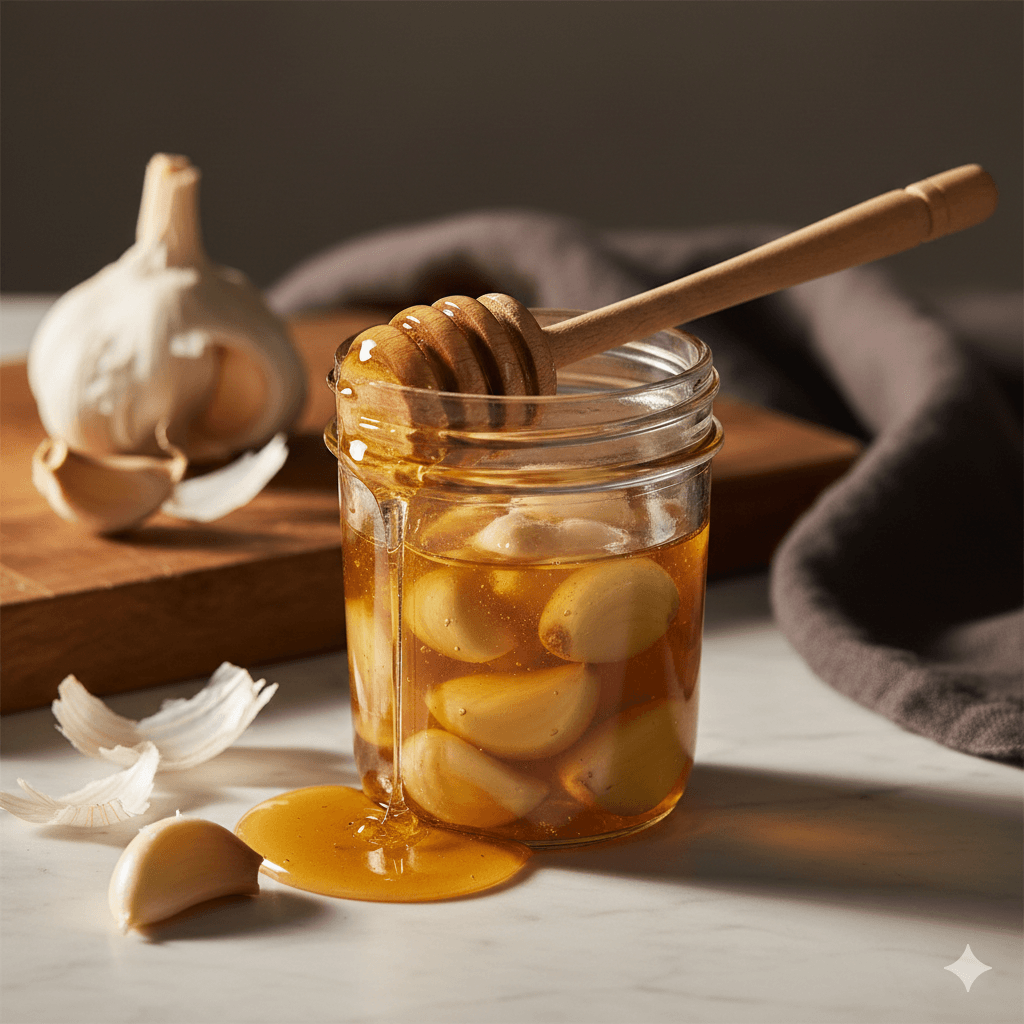
Fermented garlic honey is exactly what it sounds like — whole garlic cloves submerged in raw honey and left to ferment at room temperature. Over the course of a few weeks, something magical happens. The garlic softens and mellows, losing its sharp bite. The honey thins out and takes on a rich, savory depth. Both ingredients transform each other into something entirely new.
The result is a sweet, funky, umami-packed condiment that you'll want to put on everything. It's one of the easiest ferments you can make — no special skills, no precise measurements, no temperature monitoring. If you can peel garlic and pour honey, you're good to go.
The Process
Peel the garlic. Separate the cloves from the head and peel them. You want whole, intact cloves. Lightly crush each clove with the flat side of a knife — just enough to crack it open slightly. This helps the moisture release faster and kickstarts fermentation. Don't mince or slice them.
Add garlic to the jar. Drop the peeled, lightly crushed cloves into a clean mason jar. Fill it about halfway with garlic — you want the cloves to have room but also be well-covered by honey.
Pour in the honey. Cover the garlic completely with raw honey. Leave about an inch of headspace at the top of the jar — the ferment will bubble and expand, and you don't want honey overflowing. Stir gently or use a chopstick to release any air bubbles trapped between the cloves.
Loosely cap and flip daily. Place the lid on the jar but don't tighten it all the way — the ferment produces CO2 and needs to off-gas. Once a day, flip the jar upside down (or just give it a gentle turn) to keep the garlic coated in honey. The cloves will float to the top, so flipping ensures everything stays submerged and active.
Wait. Within 2–3 days you'll notice tiny bubbles forming — that's fermentation happening. The honey will start to thin out and become more liquid. The garlic cloves will darken slightly. After about 1 week it's edible, but the flavor really develops at 3–4 weeks. Some people let it go for months. The longer it ferments, the more complex and mellow it gets.
The Science Behind It
Honey on its own is antimicrobial — its low moisture content (around 17–18% water) and low pH prevent bacterial growth. So how does fermentation happen? The garlic is the key. Fresh garlic cloves contain about 60% water. When you submerge them in honey, that moisture slowly seeps out and dilutes the honey, raising its water content above the ~18% threshold where fermentation can begin.
Once the water activity is high enough, naturally present wild yeasts and lactic acid bacteria wake up and start fermenting the sugars in the honey. You'll see CO2 bubbles as a byproduct — that's the telltale sign that fermentation is active. The pH drops as lactic acid is produced, the honey thins, and the garlic softens and takes on the sweetness of the honey. It's a beautiful symbiotic transformation.
How to Use Fermented Garlic Honey
Once you have a jar of this stuff, you'll find excuses to use it on everything:
- Drizzle the honey on pizza — especially with pepperoni or soppressata. This is the gateway use. It's incredible.
- Cheese boards — pair it with sharp cheeses, charcuterie, and crackers. The sweet-savory-funky combo is unbeatable.
- Roasted vegetables — toss roasted carrots, Brussels sprouts, or sweet potatoes with a spoonful.
- Marinades and glazes — mix the honey into marinades for chicken, salmon, or pork. The garlic cloves can be smashed into the marinade too.
- Salad dressings — whisk the honey into vinaigrettes for a subtle fermented depth.
- Sore throat remedy — a spoonful of fermented garlic honey is a classic folk remedy. The raw honey soothes, and the garlic has natural antimicrobial properties. Not a substitute for medical care, but it tastes a lot better than cough syrup.
- Eat the garlic cloves straight — they're soft, sweet, tangy, and completely addictive. Pop one on a cracker with cheese.
🍯 It MUST be raw honey
This is the most important detail in the entire recipe. Pasteurized honey has been heated to high temperatures, which kills the wild yeasts and bacteria that make fermentation possible. If you use pasteurized honey, nothing will happen — no bubbles, no fermentation, just garlic sitting in honey. Look for honey labeled “raw” or “unpasteurized.” Local honey from a farmers' market is usually a safe bet.
⚠️ A note on botulism
You may have heard that honey + anaerobic environment = botulism risk. Here's the deal: Clostridium botulinum spores can exist in honey, but they need a low-acid, anaerobic, low-sugar environment to produce toxin. Fermented garlic honey becomes increasingly acidic as lactic acid is produced, and the high sugar content of honey further inhibits growth. As long as you use clean equipment, use fresh garlic (not oil-soaked), and see active fermentation (bubbling), the ferment is creating conditions that are inhospitable to botulism. That said — always use clean jars, don't add water to the honey, and if anything smells truly off or rancid (not just funky), trust your instincts and toss it.
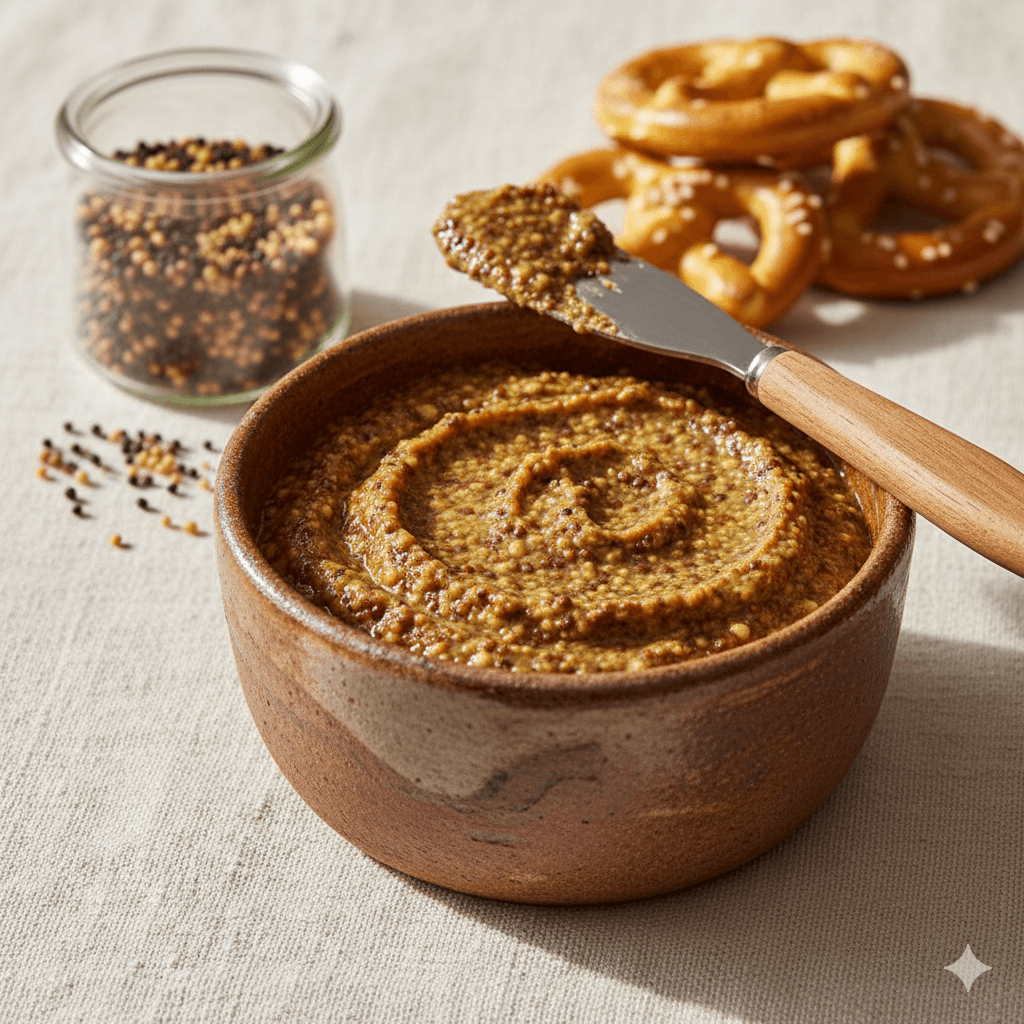
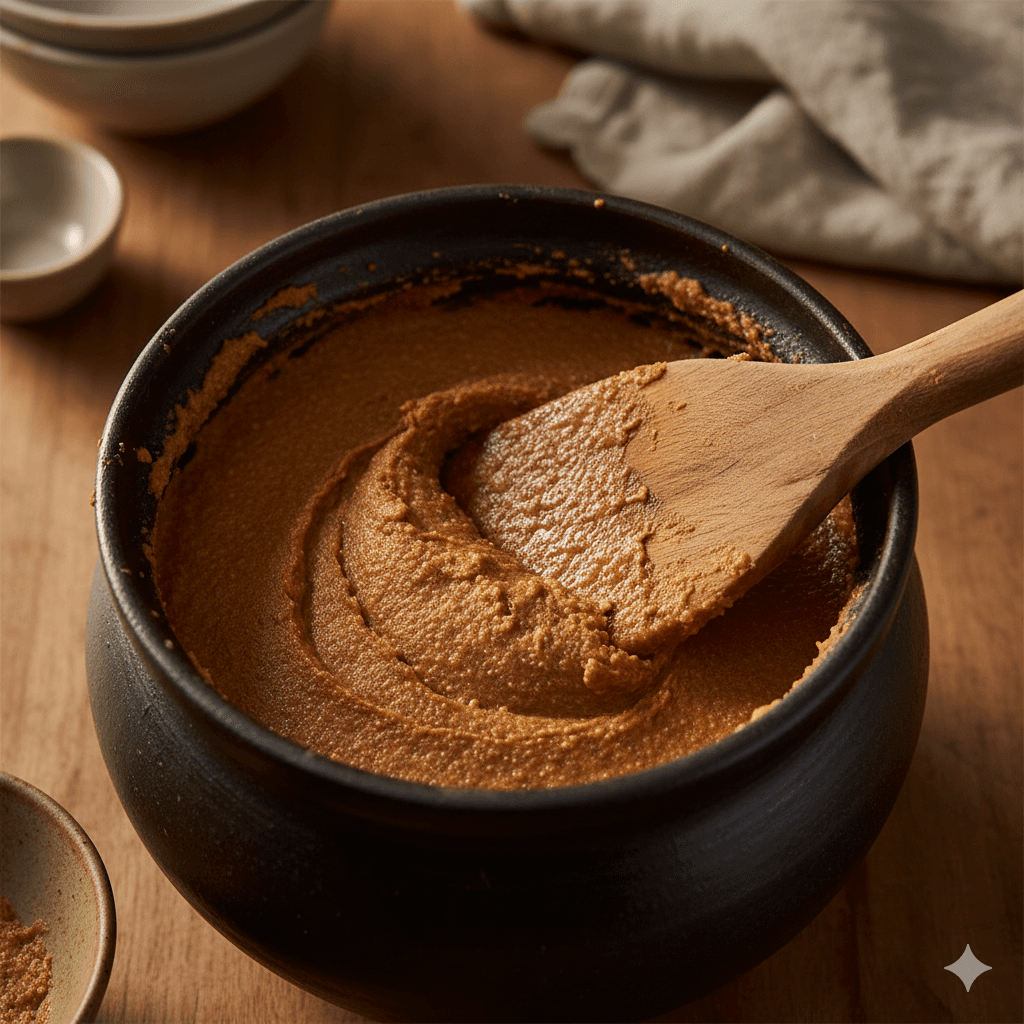
Looking for more fermented condiment ideas? Try fermented mustard — another easy jar project that transforms a pantry staple. For a deeply savory long-term project, homemade miso is the ultimate fermented condiment.
🌶️ Spicy variation
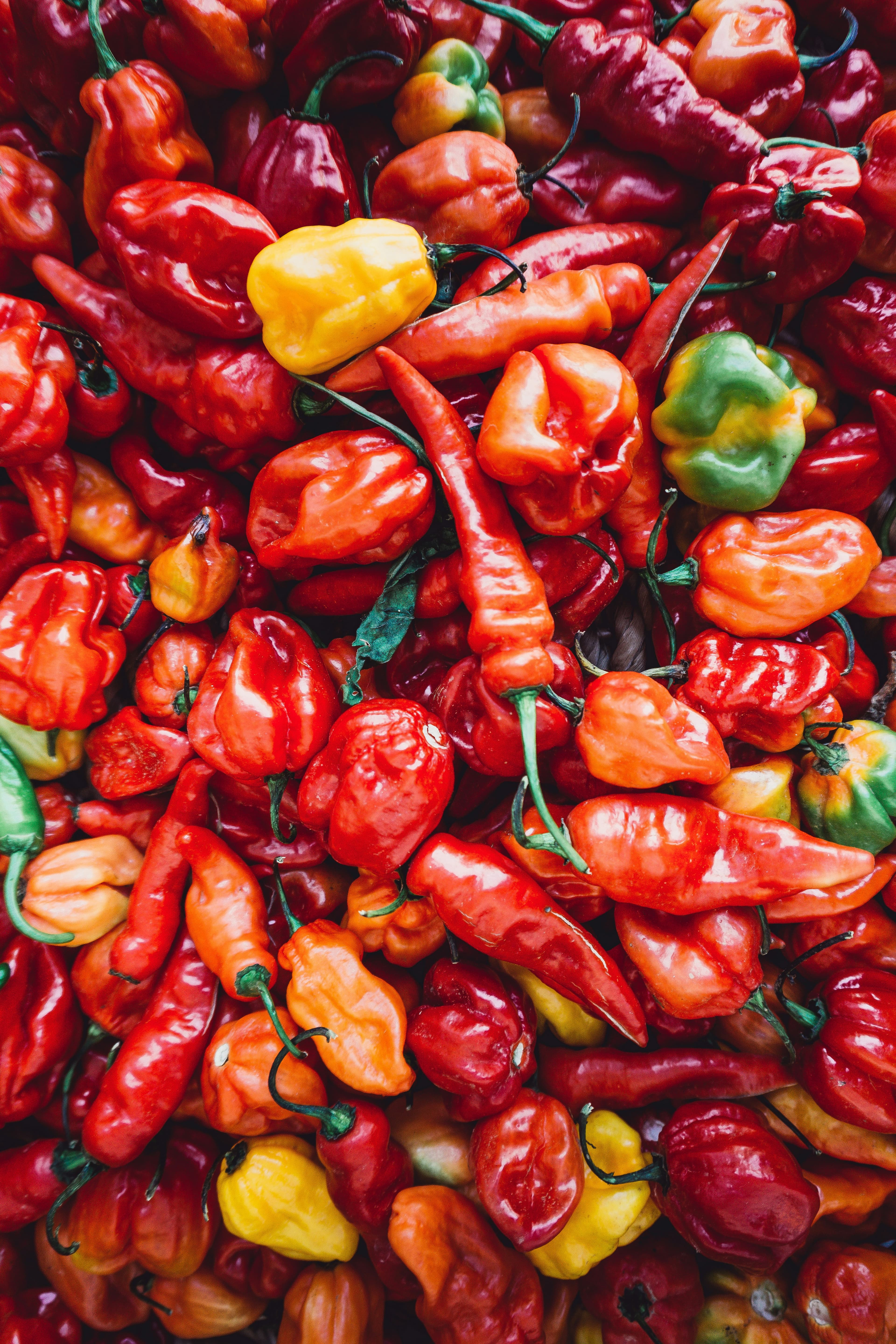
Toss a few dried chili flakes or a sliced fresh chili into the jar along with the garlic. Fermented chili garlic honey is extraordinary on pizza and fried chicken. You can also add whole peppercorns, fresh thyme, or rosemary sprigs for herbed variations.
Troubleshooting
No bubbles after a few days
First, make sure you're using raw honey — pasteurized honey won't ferment. If you are using raw honey and still don't see bubbles, give it more time. Cooler temperatures slow fermentation down. Try moving the jar to a warmer spot (70–80°F / 21–27°C is ideal). You can also lightly crush the garlic cloves a bit more to release additional moisture.
The garlic turned green or blue
This is harmless and surprisingly common. It happens when sulfur compounds in garlic react with trace minerals (often copper) in the honey or from the garlic itself. The color change doesn't affect flavor or safety. Keep going — it'll taste just as good.
The honey is crystallizing
Some raw honeys crystallize naturally, especially at cooler temperatures. Crystallization doesn't mean anything is wrong. Gently warm the jar in a bowl of warm (not hot) water to re-liquify, then continue flipping daily. The ongoing fermentation usually keeps the honey liquid over time as it thins out.
Honey is overflowing when I open the jar
Active fermentation produces a lot of CO2, and honey traps those bubbles. When you open the lid, it can fizz over like a shaken soda. Open the jar slowly over a plate or paper towel, especially in the first week or two. This is a good sign — it means fermentation is vigorous. Burp the jar more frequently if needed.
White film on top of the honey
A thin white layer is likely kahm yeast — it's harmless but can affect flavor if left unchecked. Skim it off with a clean spoon and make sure all garlic cloves are submerged. If you see fuzzy, colored mold, discard the batch and start fresh.