Why Ferment Your Hot Sauce?
Most commercial hot sauces are made by blending peppers with vinegar. It's quick, shelf-stable, and one-dimensional. Fermented hot sauce takes a different path — you let bacteria transform the peppers over a few weeks, developing complex, tangy, umami-rich flavors that you simply can't get any other way.
Sriracha is actually a fermented hot sauce (or at least it used to be — the original recipe fermented the peppers before blending). Same with Tabasco, which ferments its mash in barrels for up to three years. You can make something just as good at home in a few weeks.
Late summer — roughly July through September — is the best time to make a big batch. Peppers hit their peak at farmers markets and in home gardens, prices drop, and a glut of ripe chiles is exactly the excuse you need to fill a few jars. If you want to scale up beyond a single quart, a fermentation crock handles larger harvests with ease.
⚠️ Wear gloves
Seriously. Capsaicin from hot peppers gets under your fingernails and stays there for hours. If you touch your eyes after handling habaneros, you'll have a very bad time. Latex or nitrile gloves. Every time.
Which Peppers Should You Use? A Beginner's Heat Guide
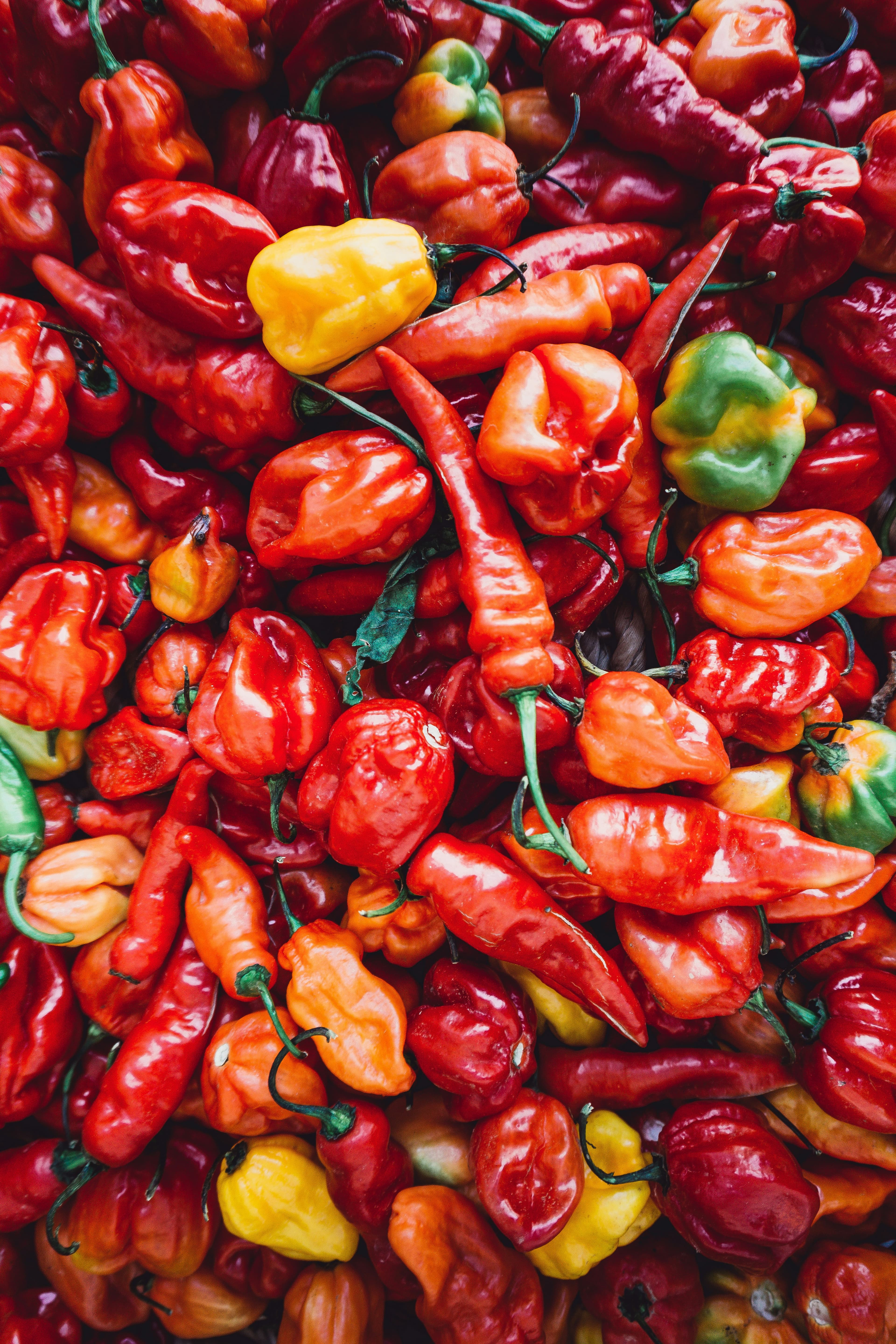
Choosing the right pepper is the biggest variable in your finished sauce. The table below covers the most common options from mild to extreme — use it to find your comfort zone. For a first batch, jalapeño or Fresno gives you forgiving heat and great flavor.
| Pepper | Heat (Scoville) | Flavor | Best for |
|---|---|---|---|
| Bell pepper | 0 | Sweet, vegetal | Blending with hotter peppers to tame heat and add body |
| Poblano | 1,000–2,000 | Earthy, slightly smoky | Mild, complex sauces; great with roasted garlic |
| Fresno | 2,500–10,000 | Fruity, bright | All-purpose red sauce; excellent first batch |
| Jalapeño | 2,500–8,000 | Grassy, crisp | Green sauce, versatile everyday hot sauce; ideal for beginners |
| Serrano | 10,000–23,000 | Clean, sharp heat | Stepping up heat while keeping a fresh flavor |
| Cayenne | 30,000–50,000 | Bright, thin-walled | Classic red hot sauce; blends very smooth |
| Habanero | 100,000–350,000 | Floral, fruity | Tropical sauces; use sparingly or blend with mango/carrot |
| Scotch bonnet | 100,000–350,000 | Sweet, fruity | Caribbean-style sauces; interchangeable with habanero |
| Ghost pepper (Bhut jolokia) | 800,000–1,000,000 | Smoky, slow burn | Small additions for extreme heat only; wear gloves and a mask |
The Process
Prep the peppers. Remove the stems (leave the seeds in for more heat, remove some for milder sauce). Roughly chop the peppers, garlic, and any optional add-ins. You don't need to be precise — it's all getting blended later.
Salt and mash. Toss everything in a bowl with the salt. Use a fork, muddler, or your gloved hands to rough everything up and get the juices flowing. You can also pulse it in a food processor 3–4 times — you want a coarse mash, not a puree. The goal is to break cells open so the salt can pull out liquid and create brine.
Ferment. Cover with a loose lid or airlock lid and leave at room temperature for 1–3 weeks. Peppers ferment vigorously — expect lots of bubbling in the first few days. Burp the jar daily if using a regular lid. The mash will change color slightly (bright red peppers often turn a deeper, brick red).
Blend. When the ferment tastes tangy and the bubbling has slowed (usually 7–14 days minimum), pour everything — mash and brine — into a blender. Blend until smooth. Add a splash of vinegar (apple cider vinegar works great) for brightness and to lower the pH for longer shelf life. Taste and adjust salt or vinegar as needed.
Strain (optional). For a smooth, pourable sauce like Tabasco, strain through a fine-mesh sieve. For a chunkier, more rustic sauce like sambal, skip straining. Both are great — it's a texture preference.
Bottle and store. Pour into clean bottles or jars and refrigerate. Fermented hot sauce keeps for months in the fridge. The flavor actually improves over the first few weeks as everything melds together.
Fermented Jalapeño Hot Sauce
Jalapeño is the most approachable pepper for beginners — medium heat, grassy flavor, and widely available year-round. Fermented jalapeño hot sauce has a fresh, vegetal tang that's worlds better than any store-bought green sauce.
Fermented jalapeño hot sauce recipe:
- 1 lb (450g) fresh jalapeños, stems removed (leave seeds for more heat)
- 4–6 garlic cloves
- 1 tbsp fine sea salt (about 3% of total weight)
- Optional: 1/4 cup white onion, handful of fresh cilantro
Roughly chop the jalapeños and garlic, toss with salt, and mash into a coarse paste. Pack into a jar, weigh down, and ferment for 5–10 days at room temperature. When it smells tangy and fermentation has slowed, blend smooth with a splash of lime juice and a tablespoon of apple cider vinegar. Strain for a smooth pourable sauce. Store in the fridge for up to 6 months.
The result is an incredibly versatile green hot sauce — great on eggs, tacos, grilled chicken, and anywhere you'd use Cholula or green Tabasco. The fermentation adds a probiotic tang that takes it from sharp to complex.
Flavor Combos
The basic formula is peppers + salt + garlic. But the real fun is in the variations:
- Classic red — Fresno or red jalapeño + garlic. Clean, bright, all-purpose.
- Smoky chipotle — Smoked jalapeños (or add a chipotle in adobo to the blend) + garlic + cumin.
- Tropical habanero — Habanero + mango + a squeeze of lime. Fruity, floral, insanely hot.
- Green — Serrano + jalapeño + cilantro + lime. Ferment 5–7 days for a fresh, bright green sauce.
- Garlic bomb — Whatever peppers you want + an absurd amount of garlic (like a whole head). Thank us later.
- Carrot habanero — Habanero + 2 carrots + onion. The carrots add sweetness and body. This is the one that makes people ask for the recipe.
Troubleshooting
It's too hot
Blend in a roasted carrot, some roasted garlic, or a splash of honey. The sweetness and body tame the heat without diluting the flavor. For next time, remove more seeds, use milder peppers, or mix in bell peppers (they ferment well and add sweetness with zero heat).
It's not hot enough
Fermentation slightly mellows heat over time. If you want face-melting sauce, use hotter peppers (habanero, scotch bonnet, ghost pepper) and leave all the seeds in. You can also add a small amount of unfermented hot pepper to the blend for a raw heat boost.
The sauce separated in the bottle
Totally normal. Just shake before using. If you want a more emulsified sauce, add a small piece of roasted carrot or onion before blending — the pectin helps everything stay together.
Mold on the surface
If the mash wasn't fully submerged, you might get surface mold. Kahm yeast (white film) is harmless — skim it off. Fuzzy colored mold means discard and start over. Use a weight and an airlock next time to prevent this.
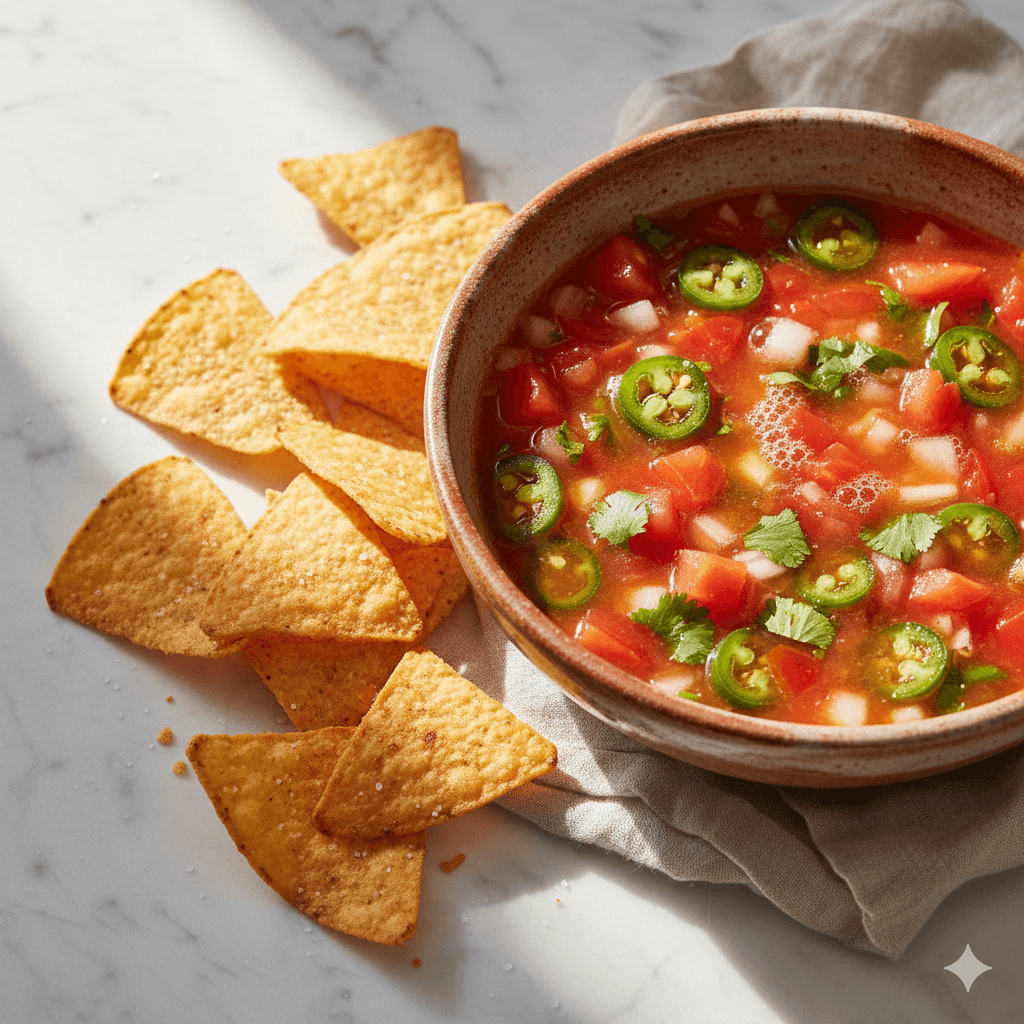
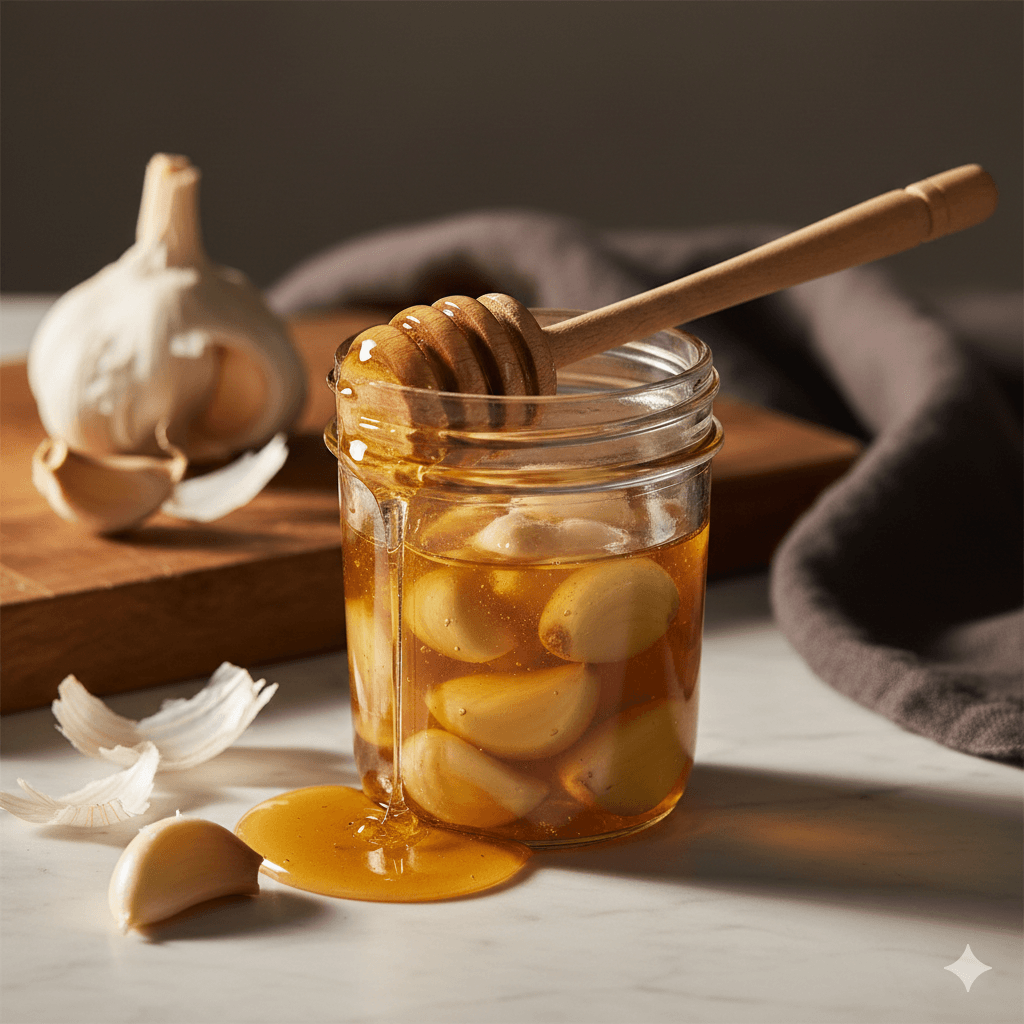
Love fermented condiments? Try fermented salsa for a tangy, probiotic chip dip, or fermented garlic honey — another three-ingredient condiment that elevates everything it touches. If jalapeños are your pepper of choice, the deep-dive on how to ferment jalapeños covers the process in even more detail. Wondering how this compares to standard Tabasco-style vinegar sauces? Read fermented vs. vinegar hot sauce for a side-by-side breakdown. And if it's peak summer and your garden is overflowing, the guide to fermenting summer peppers covers bulk processing and seasonal variety picks.
🎁 Great gifts
Homemade fermented hot sauce in a nice bottle is one of the best gifts you can give. Make a big batch with a few different pepper combos, bottle them up, and label them. People lose their minds over this stuff. Especially the carrot-habanero.
📊 Use pH strips
If you plan to store your hot sauce outside the fridge or give it as gifts, check the pH with pH test strips. Below 3.5 is ideal for shelf stability. Adding vinegar at the blending stage helps hit this target.
Frequently Asked Questions
Do I need a starter culture to make fermented hot sauce?
No. Fermented hot sauce uses lacto-fermentation, which relies entirely on naturally occurring bacteria already present on the peppers and in your environment. Salt does all the work — there is no need to buy a starter culture.
What salt percentage should I use?
About 3% salt by total weight of the peppers. For 1 lb (450g) of peppers, that is roughly 1 tablespoon of fine sea salt. Accurate measurement matters: too little salt and harmful bacteria can survive; too much and fermentation stalls. A kitchen scale is the most reliable way to measure.
How long does fermented hot sauce last?
Stored in the refrigerator, fermented hot sauce keeps for 3–6 months and often longer. For true shelf stability at room temperature, the blended sauce should reach a pH below 3.5 — add a splash of apple cider vinegar at blending and check with pH strips. Refrigeration is the safest approach for home cooks.
Is the white film on my ferment mold or kahm yeast?
A flat, white or cream-colored film on the surface is almost certainly kahm yeast — a harmless wild yeast that develops when peppers are exposed to air. It looks like a thin layer of white scum. Skim it off with a spoon. Fuzzy, raised mold in green, black, or pink colors means discard and start over. A fermentation weight and an airlock lid prevent both.
Can I store fermented hot sauce at room temperature?
Only if the pH is below 3.5, which you can verify with pH test strips. Adding vinegar at the blending stage helps reach this target. Without confirming pH, refrigerate the sauce after blending. An acidic, low-pH sauce is shelf-stable; one that did not fully acidify is not safe to leave unrefrigerated.
What are the best peppers for a first batch?
Jalapeños or Fresno chiles are ideal for beginners. Both are widely available, produce a manageable medium heat (2,500–10,000 Scoville units), and ferment predictably. Once you're comfortable with the process, habaneros or a mix of heat levels are great next steps.