Pick up a bottle of Tabasco, Cholula, or Frank's RedHot and read the label. The second or third ingredient is almost always vinegar. Most commercial hot sauces are vinegar-based — sharp, bright, and acidic from the moment you open them.
Fermented hot sauce is different. The acidity still comes from acid, but in this case it's lactic acid produced by bacteria during fermentation — not added vinegar. That difference in how the acid gets there changes everything about the flavor.
How Vinegar Hot Sauce Works
Vinegar hot sauces are blended, not fermented. Fresh or cooked chilis are pureed with vinegar, salt, and sometimes garlic or spices. The vinegar provides acidity, acts as a preservative, and gives the sauce its characteristic sharp bite.
There's nothing wrong with this. Vinegar hot sauces are consistent, stable, and shelf-stable for years. They're also fast to make at home — 15 minutes from peppers to sauce. But the flavor profile is relatively one-dimensional: heat, acidity, brightness.
How Fermented Hot Sauce Works
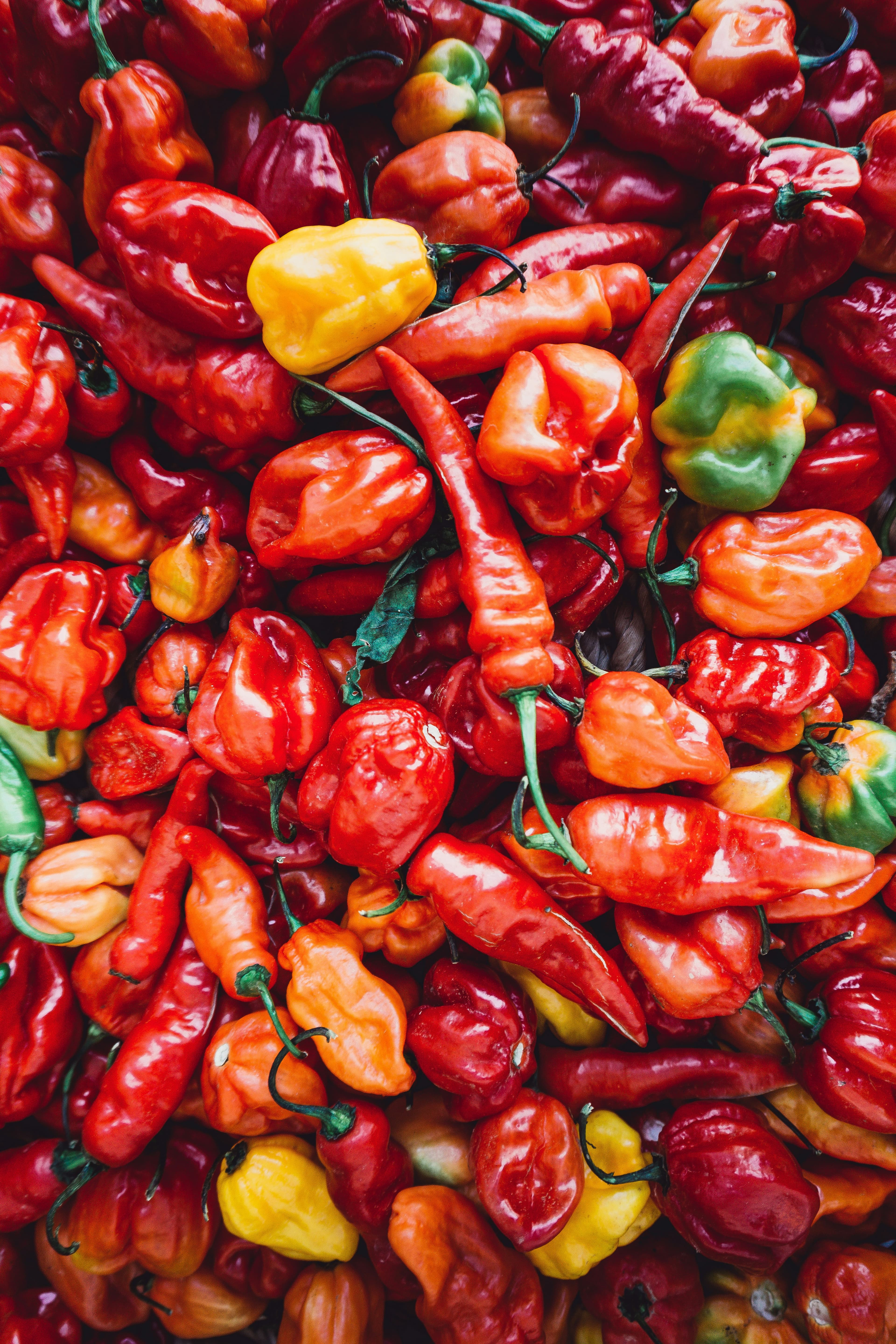
Fermented hot sauce starts the same way — fresh chilis, salt, maybe garlic. But instead of adding vinegar, you submerge the ingredients in a salt brine and let lactic acid bacteria do the work over 1–3 weeks.
During fermentation, those bacteria produce lactic acid (which provides the tang), break down the cellular structure of the peppers, and generate dozens of flavor compounds that simply don't exist in the raw ingredient. The heat from the peppers also mellows and integrates differently — you get complexity behind the heat rather than just sharpness on top of it.
The Flavor Difference
Vinegar hot sauce: sharp, acidic, clean heat, bright.
Fermented hot sauce: layered, complex, fruity, with a rounder acidity and heat that builds and lingers rather than stabs.
Neither is objectively better — they serve different purposes. Vinegar hot sauce is excellent as a condiment for cutting through fatty food (wings, tacos, fried things). Fermented hot sauce is more like a sauce in its own right — something you'd use to add depth to a dish rather than just heat and acid.
What About Probiotics?
Fermented hot sauce contains live lactic acid bacteria when it comes fresh out of fermentation. However, most commercial fermented hot sauces are pasteurized before bottling, which kills those bacteria for shelf-stability.
If you make fermented hot sauce at home and keep it in the fridge without cooking it, it will retain live cultures. Whether this meaningfully impacts your gut health is unclear — hot sauce is used in small amounts, and the bacteria count per serving is modest. But it's a bonus you'don't get from vinegar sauce.
Making Your Own
Homemade fermented hot sauce requires almost no equipment and the active work takes about 15 minutes. You need fresh chilis, non-iodized salt, and a jar. The fermentation does the rest over 1–3 weeks.
Spring is an excellent time to start a batch — not peak pepper season yet, but the kitchen temperature is ideal for fermentation, and you 'll have something extraordinary ready by summer.
Get the full fermented hot sauce guide →
The Short Answer
Vinegar hot sauce is fast, easy, and reliable. Fermented hot sauce is slower, more complex, and better. Both have a place in a kitchen — but if you've never made a fermented hot sauce, you're missing something that commercial products genuinely can't replicate.
Already like fermented flavors?
Fermented hot sauce pairs naturally with other condiment ferments. Try fermented salsa and fermented garlic honey — together they cover almost every condiment base and take less than 30 minutes of combined active work.