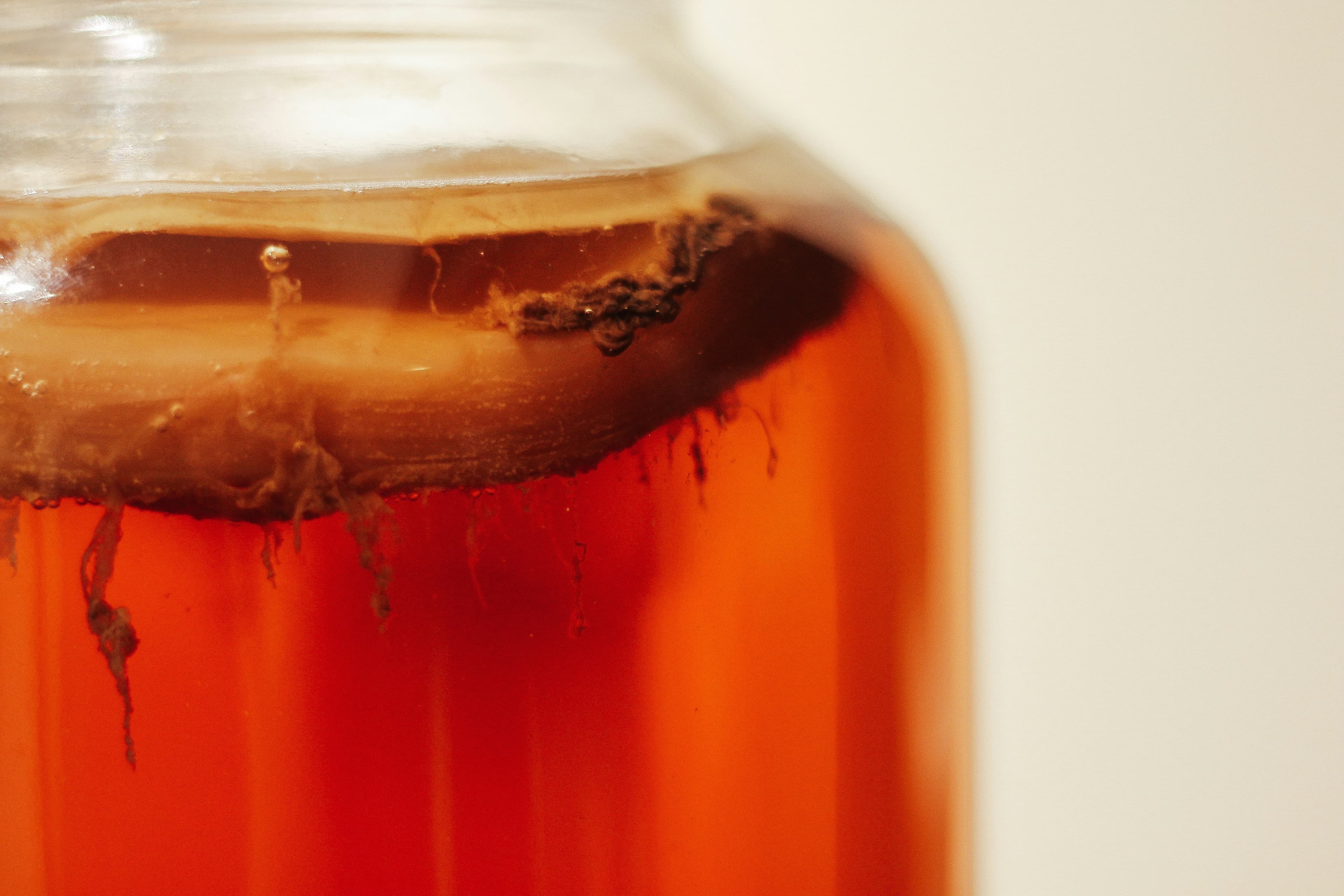
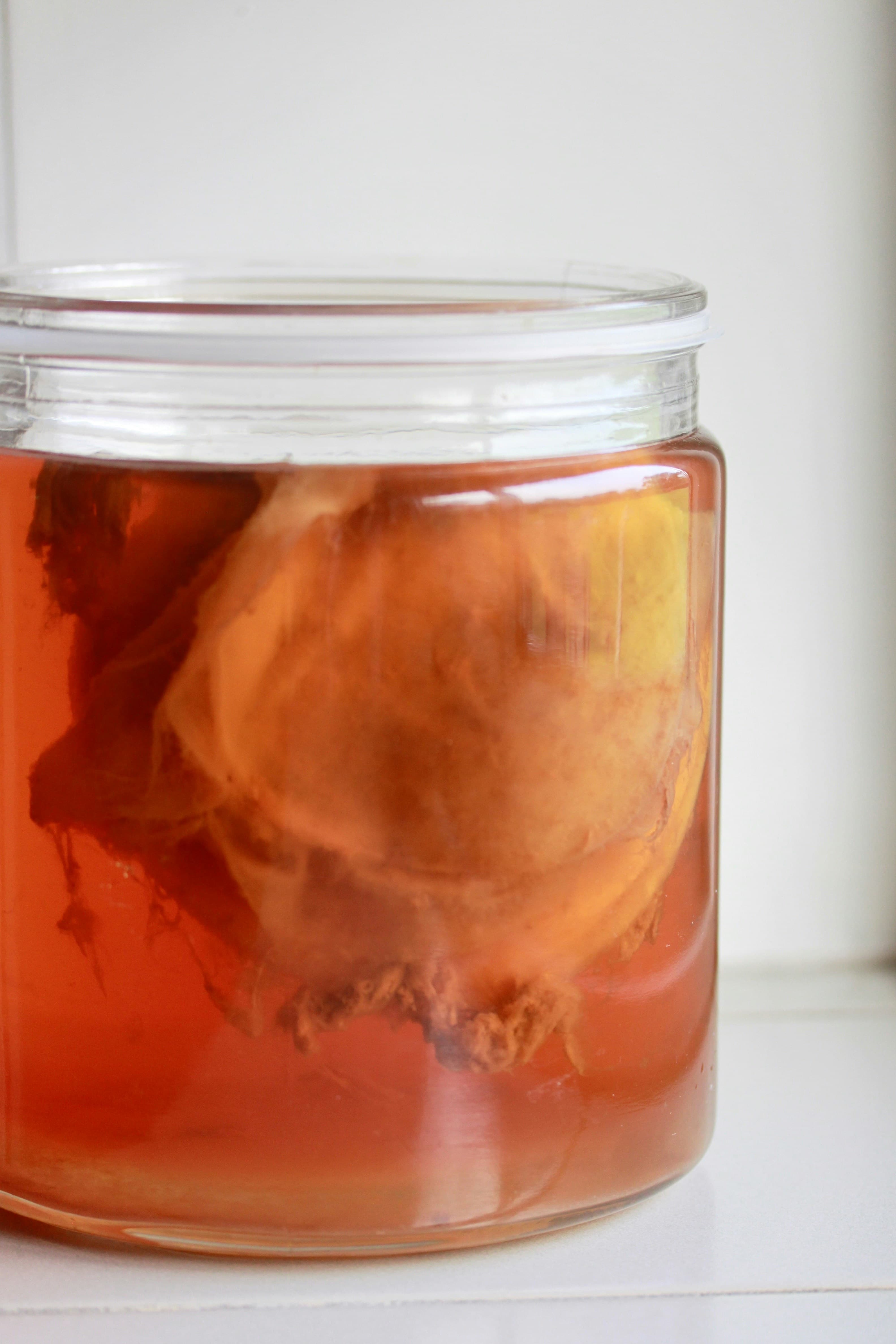
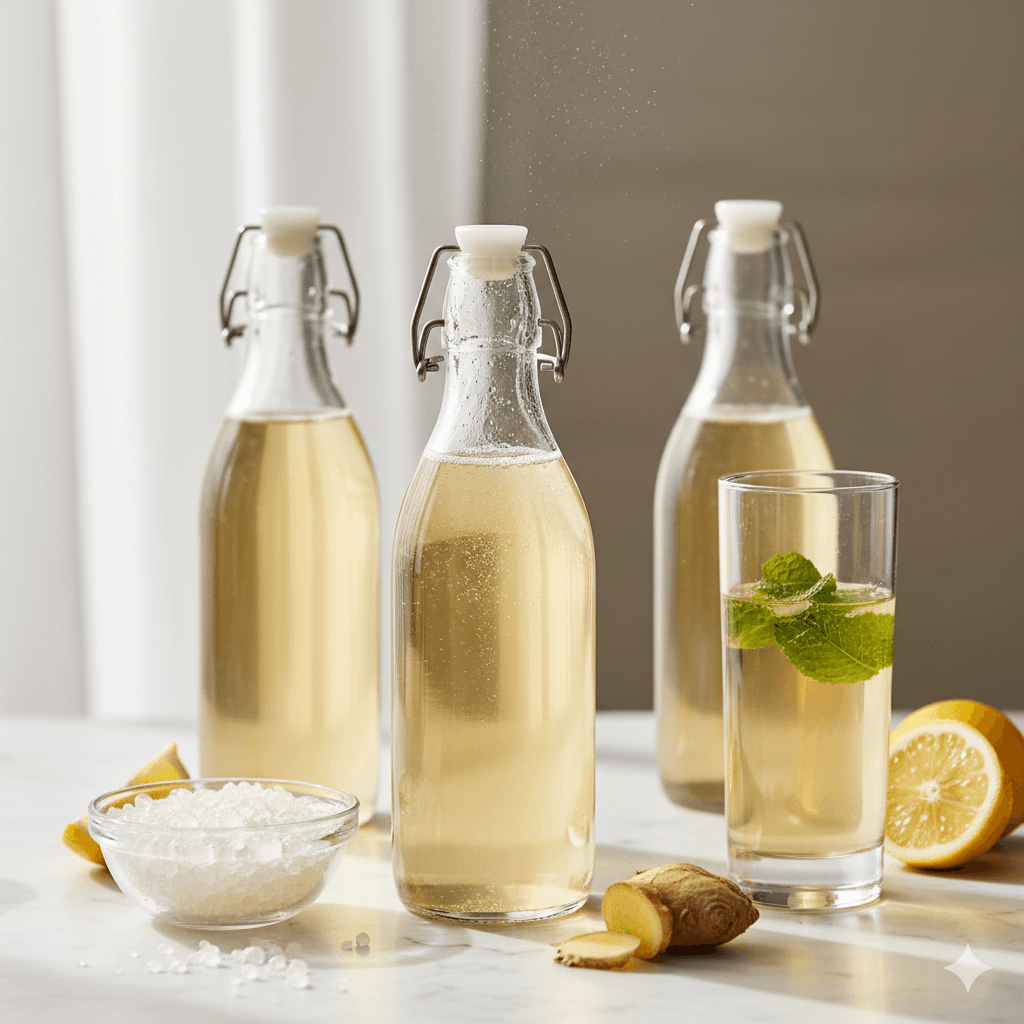
A bottle of kombucha at the store runs $4–$6. A gallon of homemade kombucha costs about $1–$2 in tea and sugar. That math alone is enough to make people curious — but cost isn't the whole story. Let's break down what's actually different.
Cost
Store-bought kombucha: $4–$6 per 16 oz bottle. That's $32–$48 per gallon.
Homemade kombucha: $1–$2 per gallon after the initial setup. The only recurring costs are tea bags and sugar — both cheap pantry staples. A gallon makes about eight 16-oz servings.
If you drink kombucha regularly, brewing at home pays for itself within the first month. The startup cost is a 1-gallon glass jar, some tea, sugar, and a SCOBY with starter liquid (which you can also grow yourself or get from a friend for free).
Sugar Content
This is where it gets interesting. Store-bought kombucha typically contains 4–12 grams of sugar per serving after fermentation and any added juice or flavoring. Some brands are significantly higher, especially flavored varieties.
Homemade kombucha gives you full control over sugar. You start with about 1 cup of sugar per gallon, but the SCOBY eats most of it during fermentation. The longer you ferment, the less sugar remains. A 14-day ferment produces a noticeably tart, low-sugar brew. A 7-day ferment keeps it sweeter.
You can also skip added fruit juices during second fermentation and flavor with whole fruit, ginger, or herbs — keeping sugar even lower. If sugar is a big concern, you might also enjoy water kefir, which ferments faster and typically ends up lower in sugar.
Probiotics
Commercial kombucha is often pasteurized or heavily filtered to extend shelf life. While many brands are sold raw, the probiotic cultures can diminish during weeks of refrigerated shipping and shelf time.
Homemade kombucha is as fresh as it gets. You're drinking it days after fermentation, when the probiotic cultures are at their most active. There's no pasteurization, no shelf time, and no question about whether the cultures are alive.
That said, let's be honest: the science on probiotic benefits from kombucha specifically is still developing. The honest answer is that fermented foods in general support gut health, but no one can tell you exactly how many CFUs survive your stomach acid. For a deeper look, check our evidence-based guide to fermented food benefits.
Taste
This is subjective, but most people who try both notice a difference. Store-bought kombucha tends to taste consistent — which is the point. Brands dial in a specific flavor profile and replicate it batch after batch.
Homemade kombucha has more character. Each batch is slightly different depending on fermentation time, temperature, and what tea you use. You can make it more vinegary, more fizzy, or more mellow. You develop a personal style over time.
The fizz is different too. Store-bought often has a softer, more uniform carbonation. Homemade kombucha second-fermented in swing-top bottles can be explosively fizzy if you let it go — in the best way. You can also make naturally fizzy drinks with a ginger bug or tepache if you want variety.
Convenience
Let's be real: store-bought wins on convenience. You walk into a store, grab a bottle, and drink it. No waiting, no brewing, no cleaning jars.
Homemade kombucha takes about 20 minutes of active work per gallon, plus 7–14 days of waiting. Once you get into a rhythm, it becomes automatic — but there is a learning curve, and you do need to plan ahead.
If you're interested, our Kombucha Brewing 101 guide walks you through the entire process step by step — and if you'd rather not source a SCOBY, tea, and jar separately, a starter kombucha kit bundles everything for your first brew.
The Verdict
There's no wrong answer here. Store-bought kombucha is a perfectly fine product — especially the raw, low-sugar brands. Homemade gives you more control, saves serious money, and is a genuinely fun hobby.
Our honest take: if you drink kombucha more than twice a week, brewing at home is worth trying. The savings add up fast, and most people find the process easier than they expected. If you're new to fermentation in general, our beginner's guide is a good place to start.
Ready to try it?
Start with our complete kombucha brewing guide. You can be drinking your first batch in about two weeks. Check our recommended tools page for everything you need. If things go sideways, our kombucha troubleshooting guide has you covered.