Winter fermentation is slow and steady. Spring fermentation is fast, bright, and alive. Warmer kitchens mean quicker ferments, farmers markets are filling back up, and there's a whole class of fizzy drinks that come into their own once the weather turns.
If you're new to fermentation, spring is actually one of the best times to start — the ambient temperature is ideal for most beginner projects, and fresh spring produce is hard to beat. Before diving in, our guide to fermenting at home covers the basics: salt ratios, brine, equipment, and what to watch for.
1. Fermented Pickles
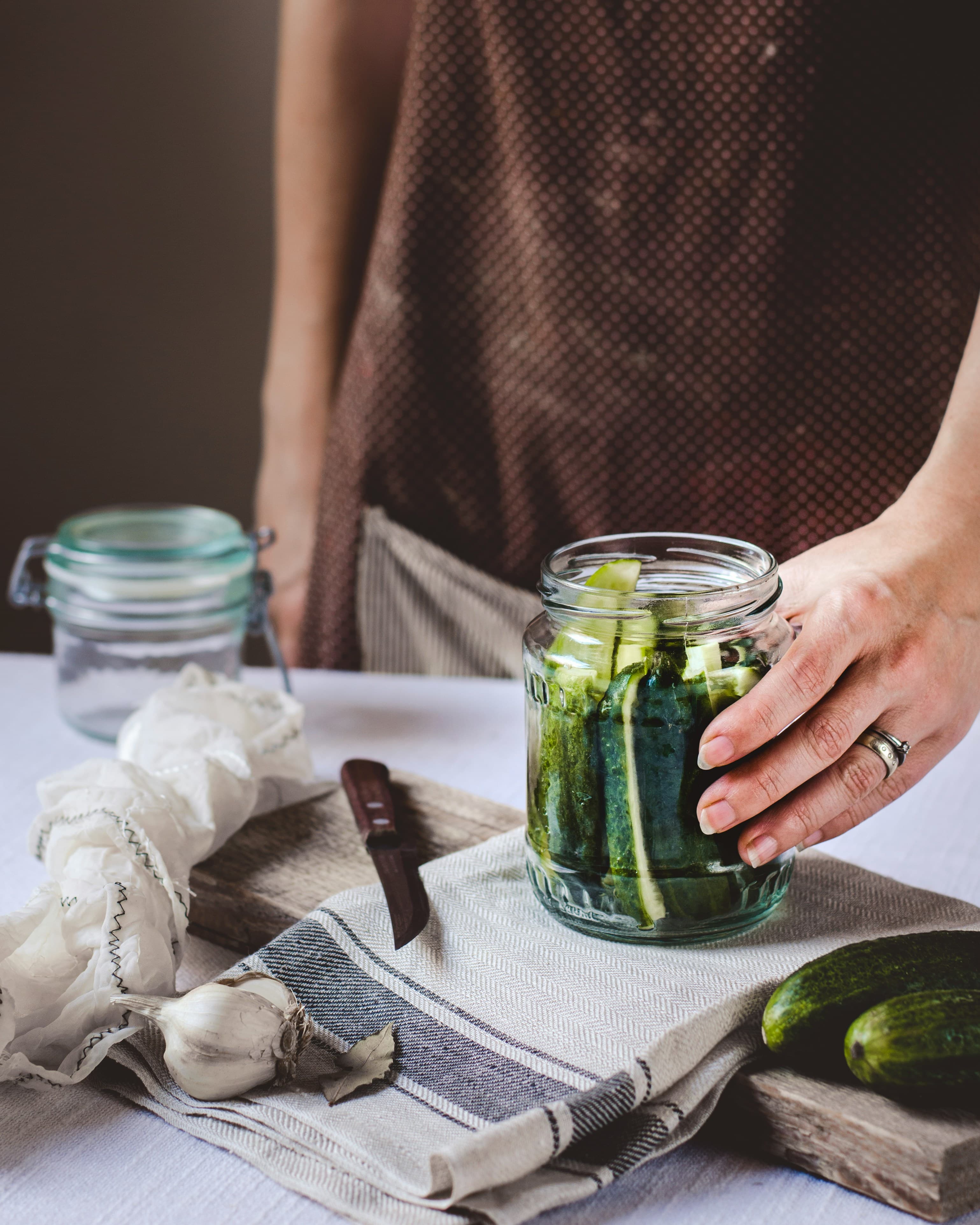
As soon as pickling cucumbers hit the market, it's time. Fermented pickles are nothing like vinegar pickles — they're crunchy, tangy, probiotic-rich, and genuinely alive. All you need is cucumbers, non-iodized salt, water, garlic, and dill.
In spring, your kitchen temperature is usually in the 68–72°F sweet spot, which means pickles ferment in 3–5 days without getting too sour too fast. Start a jar this weekend and you'll have pickles by Thursday.
Get the full fermented pickles guide →
2. Tepache
Tepache is a lightly fermented Mexican pineapple drink made from pineapple peels, sugar, and warm spices. It's sweet, tangy, slightly fizzy, and ready in just 2–3 days. It's also a fantastic gateway ferment for people who think fermentation sounds intimidating — it's essentially impossible to mess up.
Spring is ideal because tepache likes warmth (70–80°F) to get moving quickly. Set it on your counter, come back in three days, and you have something that tastes like a craft soda from a good restaurant.
3. Water Kefir
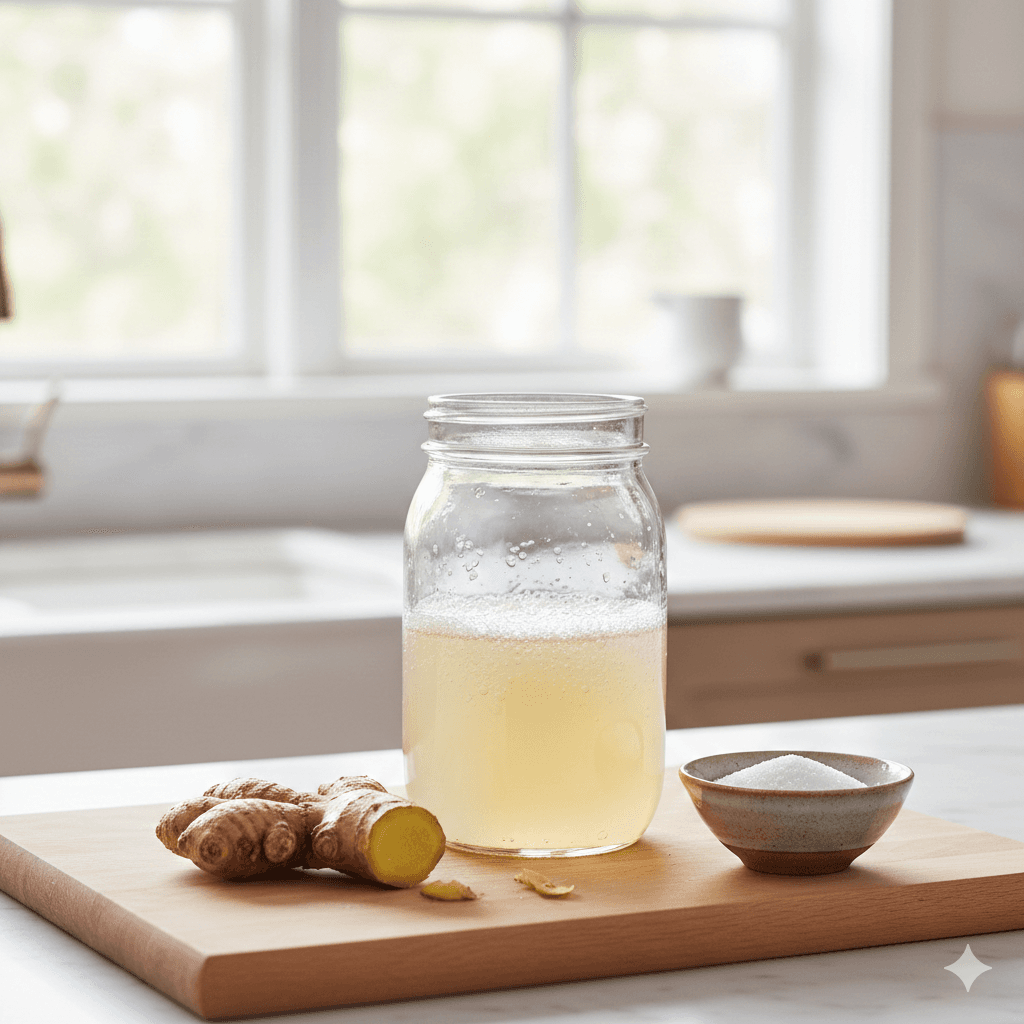
If you want a probiotic fizzy drink you can make every 48 hours, water kefir is your answer. Sugar water, kefir grains, and two days of patience. Add fruit juice or ginger for the second ferment and you have something that genuinely rivals store-bought kombucha — at a fraction of the cost.
Water kefir is more forgiving than kombucha and faster than anything else. In spring temperatures, it moves quickly and carbons up beautifully in the second ferment.
Get the full water kefir guide →
4. Fermented Salsa
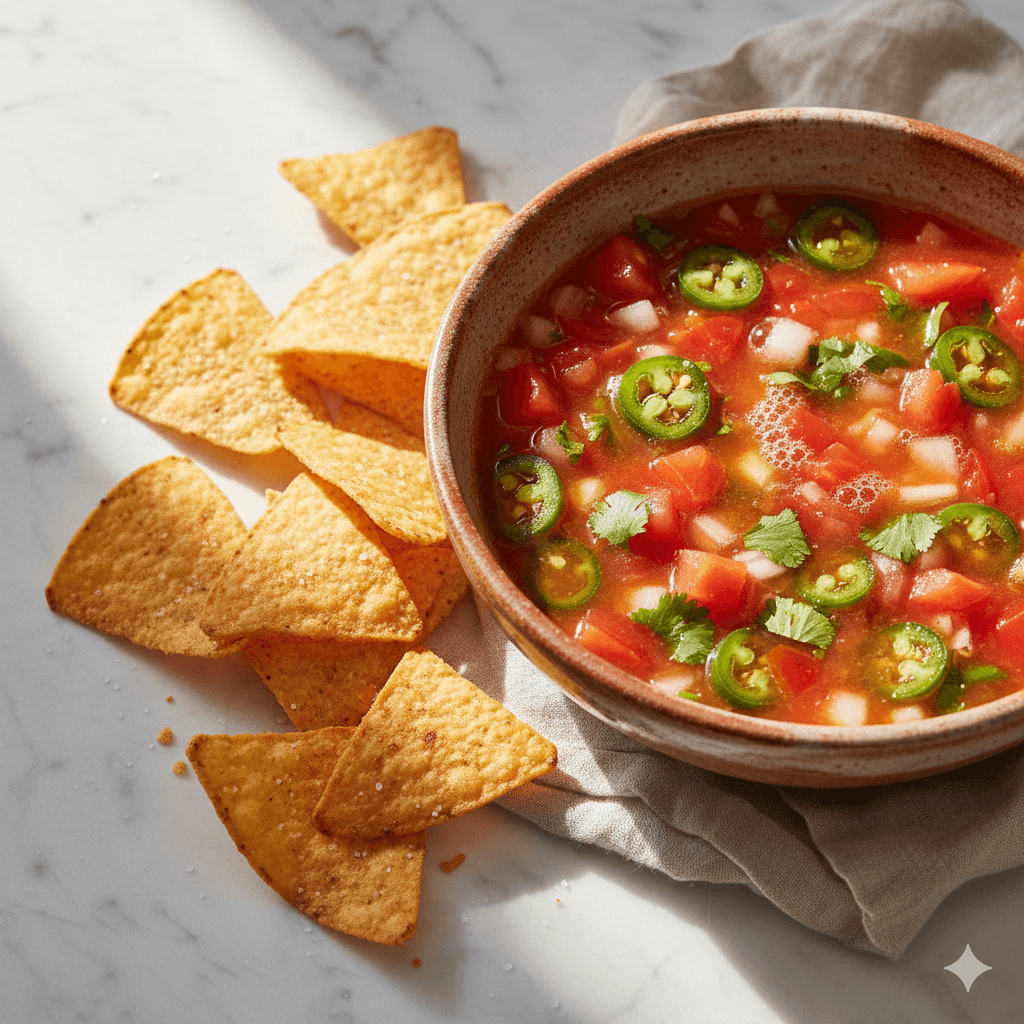
Fresh tomatoes aren't in season yet, but canned or hothouse tomatoes work perfectly here. Fermented salsa takes everything you love about fresh salsa and adds a layer of tangy, complex depth that makes it genuinely addictive. It keeps for weeks in the fridge and gets better over time.
This is also one of the most crowd-pleasing ferments to share. Bring it to a spring gathering and watch people ask what makes it taste so good.
Get the full fermented salsa guide →
5. Fermented Hot Sauce
Spring marks the start of pepper season, and even if fresh peppers aren't at peak yet, a fermented hot sauce started now will be incredible by summer. Fresh chilis, salt, garlic, and 1–3 weeks of fermentation produce a hot sauce with more complexity and depth than anything off the shelf.
Fermented hot sauce also lasts for months — so starting now means you'll have a summer's worth of something genuinely special.
Get the full fermented hot sauce guide →
Why Spring Is Ideal
Most of these ferments are temperature-sensitive. Too cold and they stall; too hot and they go too fast or develop off flavors. The 65–75°F range that most homes sit at in spring is genuinely the sweet spot. You're also motivated by new produce and the energy of the season — which matters more than people admit.
Just getting started?
Start with fermented pickles or tepache. Both are forgiving, fast, and delicious. Check out our beginner's guide to fermentation and our recommended tools page — you probably already have everything you need.