Fermenting jalapeños is one of the best things you can do with a fresh pepper harvest — or a bag from the farmers market you're not sure what to do with. The result is something a vinegar pickle can't match: jalapeños that are tangy, alive with flavor, and still satisfyingly crunchy after a week of fermentation.
The process is lacto-fermentation — the same method used for sauerkraut, kimchi, and fermented pickles. Salt creates an environment where beneficial bacteria (Lactobacillus) thrive and produce lactic acid, preserving the peppers while building complex sour flavor. No vinegar, no canning, no special equipment.
Why Ferment Jalapeños Instead of Pickling Them?
Vinegar pickled jalapeños are sharp, tangy, and good. Lacto-fermented jalapeños are all that plus more: a rounded, deeper tang, a longer shelf life in the fridge, and the live cultures that make fermented foods worth eating in the first place.
The heat level changes too. Fermentation mellows jalapeños slightly — the capsaicin (the compound responsible for heat) doesn't disappear, but the rounded acidity balances it. You get heat with complexity, not just a burn.
Choosing Your Jalapeños
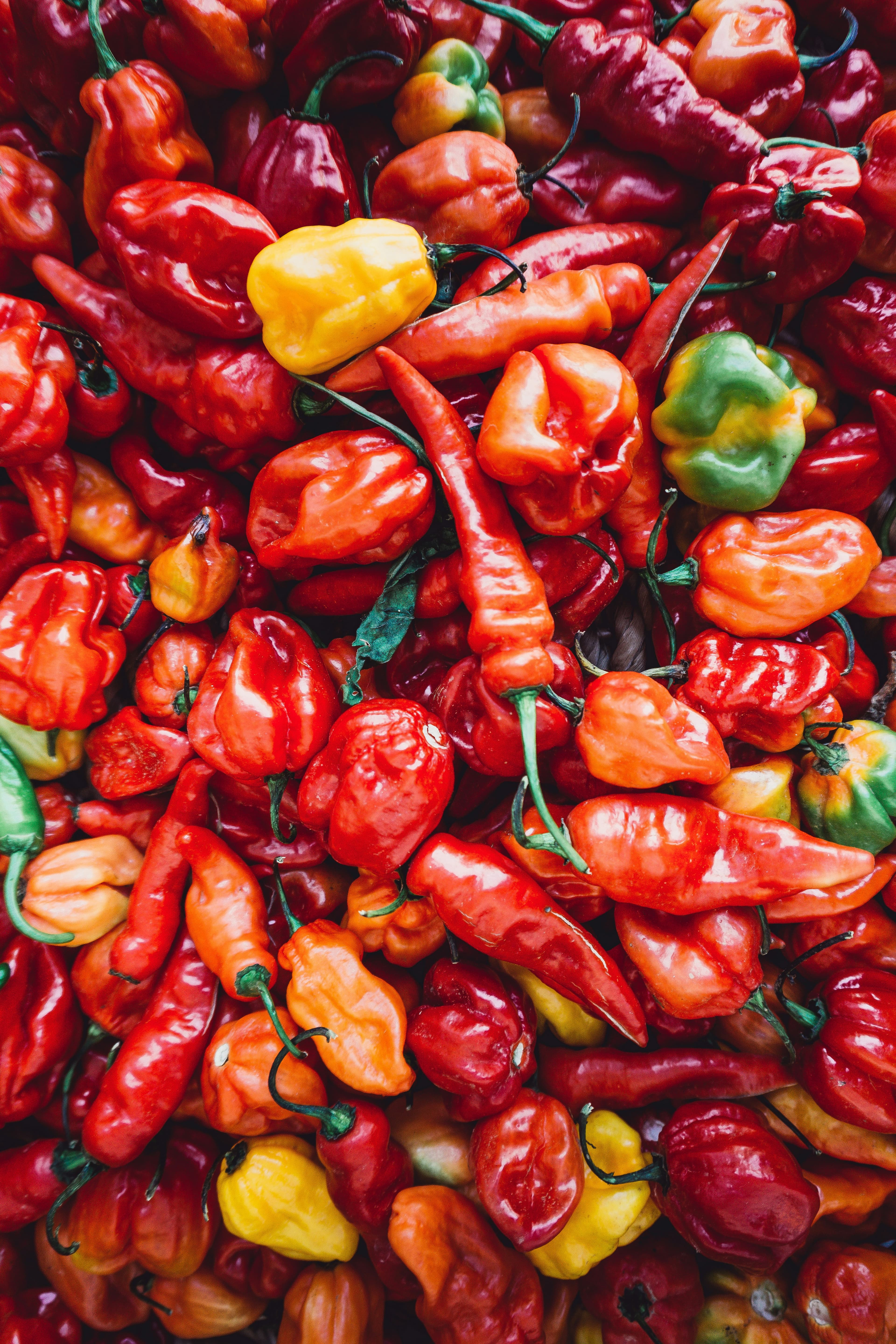
Fresh, firm jalapeños work best. Avoid soft or wrinkled ones — they won't stay crisp through fermentation. Red jalapeños (fully ripe) are sweeter and slightly less hot than green ones; both ferment beautifully. You can mix them in the same jar for flavor and visual interest.
Spring and early summer is peak jalapeño season, which makes this an ideal project for May through July when fresh peppers are at their best.
Equipment You Need
The basics: a clean quart wide-mouth mason jar, salt, and water. That's genuinely all that's required.
One thing that helps: a fermentation weight to keep the peppers submerged. Jalapeños float aggressively. Exposure to air above the brine can lead to kahm yeast or soft spots. A glass weight solves this cleanly. If you don't have one, a zip-lock bag filled with brine tucked over the peppers works as a free alternative.
The Salt-to-Water Ratio
Use a 2–3% salt brine. For a quart jar, that's roughly 1 to 1½ tablespoons of non-iodized salt per 2 cups of water. The exact percentage matters less than being in the right range — too little salt and unwanted bacteria can take hold; too much and fermentation stalls.
Always use the right salt. Iodized table salt inhibits Lactobacillus. Use kosher salt, sea salt, or pickling salt — anything without iodine additives.
The Recipe
1. Prep the Peppers
Wash the jalapeños well. Decide on your cut: rings ferment fastest and make great nachos and taco toppings; whole or halved peppers stay crunchier and work better as a condiment eaten alongside food. Remove stems. For milder heat, slice the peppers lengthwise and remove the seeds and membranes before packing. For full heat, leave everything in.
2. Dissolve the Brine
Combine 1 tablespoon of salt with 2 cups of filtered water (not tap water if yours is heavily chlorinated — chlorine can inhibit fermentation). Stir until the salt is fully dissolved. Room temperature water is fine; you don't need to heat it.
3. Pack and Submerge
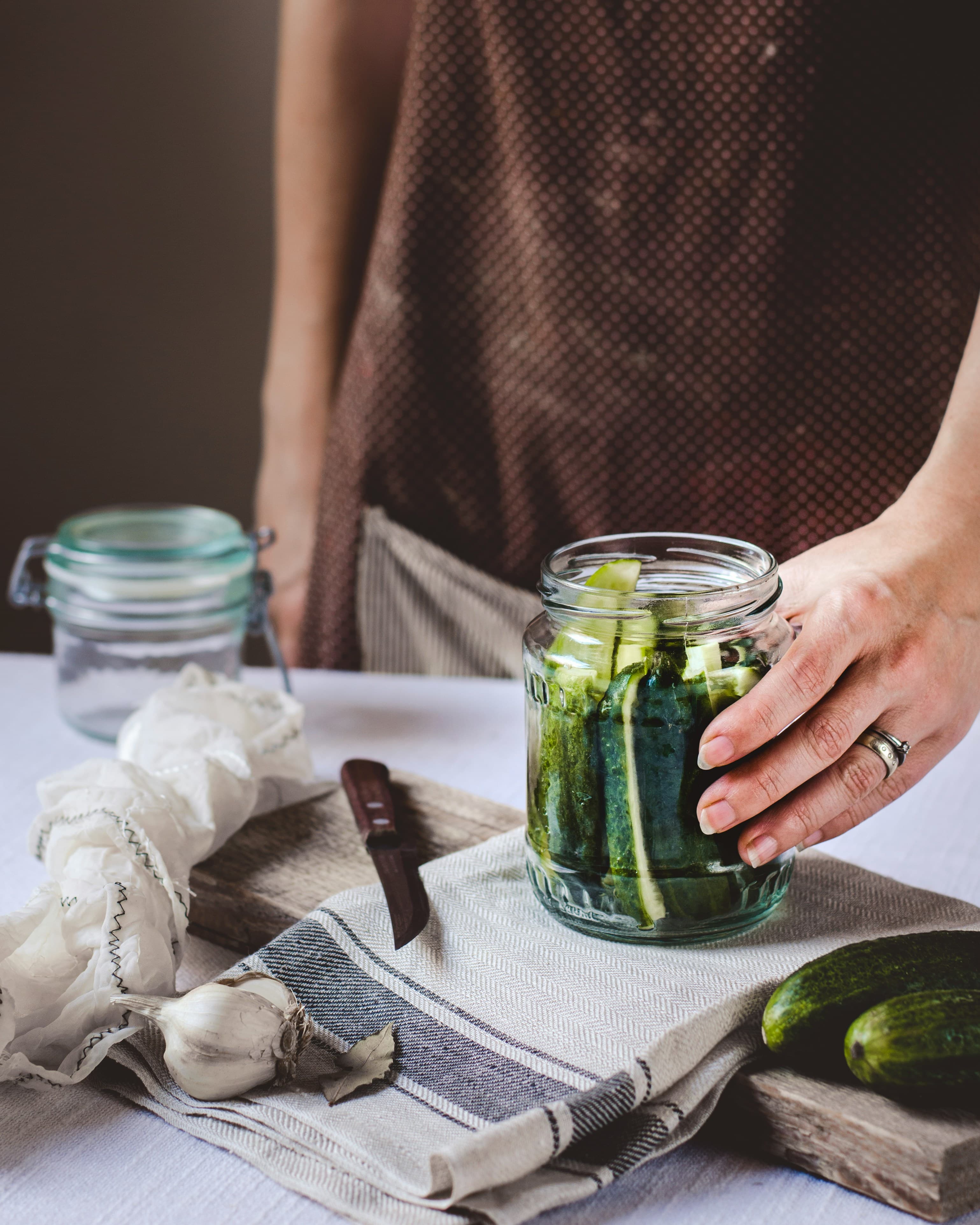
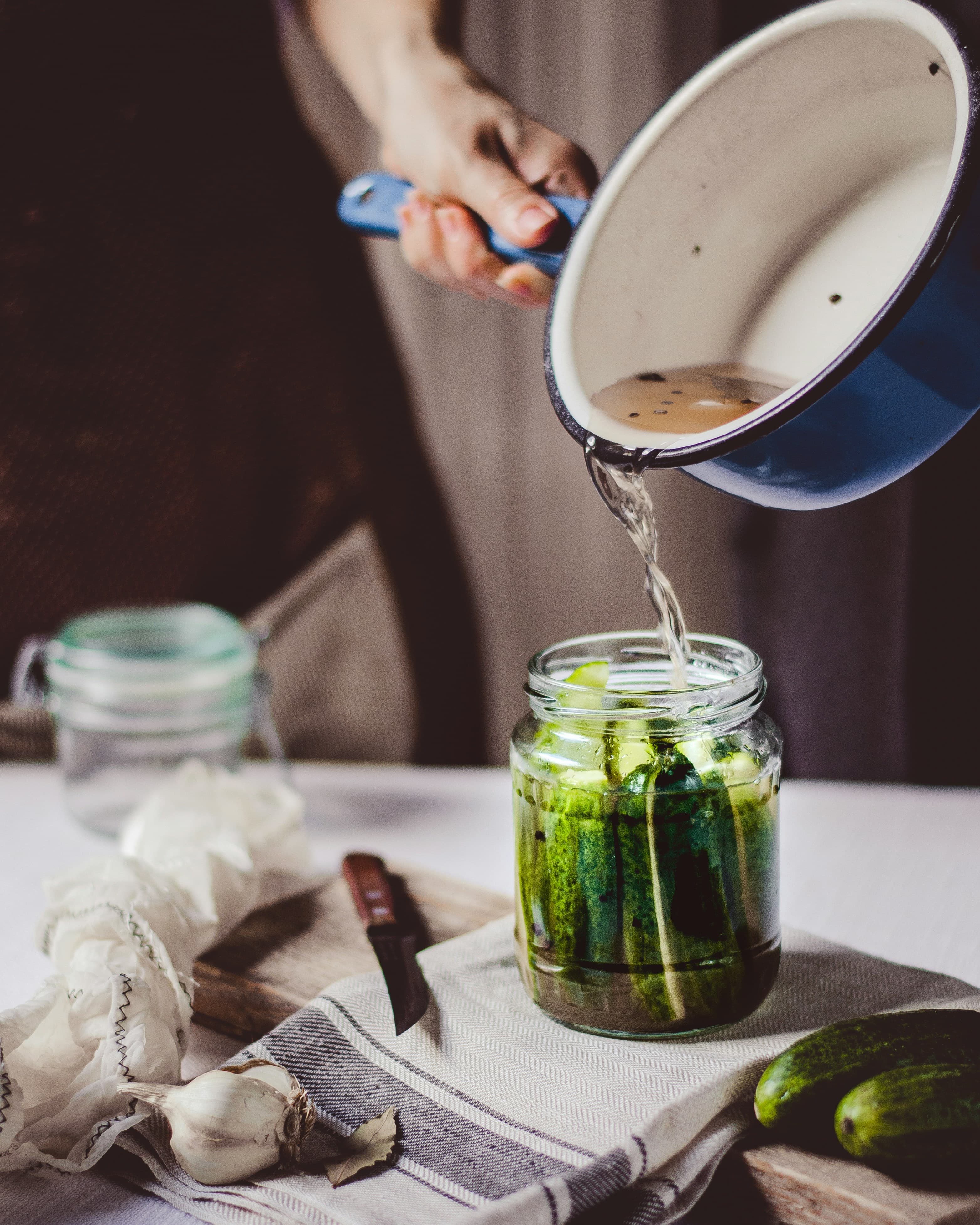
Pack the jalapeños tightly into a clean jar. Add garlic cloves if you like — they transform into deeply savory, mellow cloves by the time fermentation is done. Pour brine over everything, pressing the peppers down. Leave about an inch of headspace. Every pepper must be under the brine.
4. Weigh Down and Cover
Add a fermentation weight or DIY brine bag to keep the peppers submerged. Cover the jar with a breathable cloth or rest the lid loosely on top. You want CO₂ to escape but no fruit flies to enter.
5. Ferment and Taste Daily
Set the jar somewhere between 65–75°F. Bubbles should appear within 24–48 hours. Start tasting at day 3 — the peppers should already be slightly tangy. At day 5 they'll be noticeably sour and bright. At day 7–10 the flavor deepens and mellows. Stop whenever they taste right to you.
If a white film forms on the surface, that's likely kahm yeast — harmless, common in pepper ferments. Skim it off and continue. Fuzzy growth in distinct colors (green, black, pink) is mold; discard and start again.
6. Refrigerate
Seal the jar and move it to the fridge when the flavor is where you want it. The fermentation slows dramatically in the cold. Fermented jalapeños keep for 3–6 months refrigerated. Don't discard the brine — it's intensely flavored and probiotic-rich.
What to Do With Fermented Jalapeños
- Tacos, nachos, burritos. The obvious move, and it works perfectly. The tang cuts through rich, fatty fillings.
- Hot sauce base. Blend the fermented jalapeños with garlic, a little of the brine, and a splash of citrus for an instant lacto-fermented hot sauce. Check the fermented hot sauce guide for the full method.
- Grain bowls and salads. Add a few rings for heat and brightness. The tang functions like a vinaigrette.
- Eggs and avocado toast. A reliable everyday use.
- Brine as hot sauce. The jalapeño brine is so flavorful you can use it directly as a hot condiment or salad dressing base.
Flavor Variations
- Garlic-forward. Pack 6–8 whole garlic cloves alongside the peppers. The garlic mellows completely and becomes a spreadable condiment.
- Carrot-jalapeño. Add sliced carrots to the jar for sweetness and color. This is a classic Mexican taqueria combination.
- Onion and jalapeño. Sliced white onion ferments alongside the peppers and becomes tangy and mellow — excellent on everything.
- Mixed pepper jar. Combine jalapeños, serranos, and Fresno chiles for a complex multi-pepper ferment.
Troubleshooting
Peppers Are Soft or Mushy
Most likely cause: they weren't fully submerged, or the brine concentration was too low. Start with firm, fresh peppers, keep them under brine, and stay in the 2–3% salt range. Grape leaves, oak leaves, or a tablespoon of tannin-rich black tea added to the jar can help maintain crunchiness — the tannins inhibit the enzymes that soften pectin.
No Bubbles After 48 Hours
The environment may be too cold. Move the jar somewhere warmer. Peppers ferment more slowly than leafy vegetables — give it another day before worrying. Check out the fermentation troubleshooting guide for more help.
Brine Turned Cloudy
Cloudiness is normal and expected — it's a sign of active lacto-fermentation. Clear brine that stays clear can actually mean fermentation hasn't started. Don't be alarmed by cloudy brine.
Where This Fits in a Fermentation Practice
Jalapeños are an ideal second or third fermentation project after sauerkraut or fermented pickles. The method is identical to vegetable fermentation generally — brine, submerge, wait, taste. If you can make fermented jalapeños, you can ferment almost any firm vegetable using the same approach.
And unlike many fermentation projects, the payoff is almost immediate. Five days from now you could have a jar of tangy, complex jalapeños that make everything they touch taste better. That's a pretty good return on an hour of kitchen time.