What Is Mead?
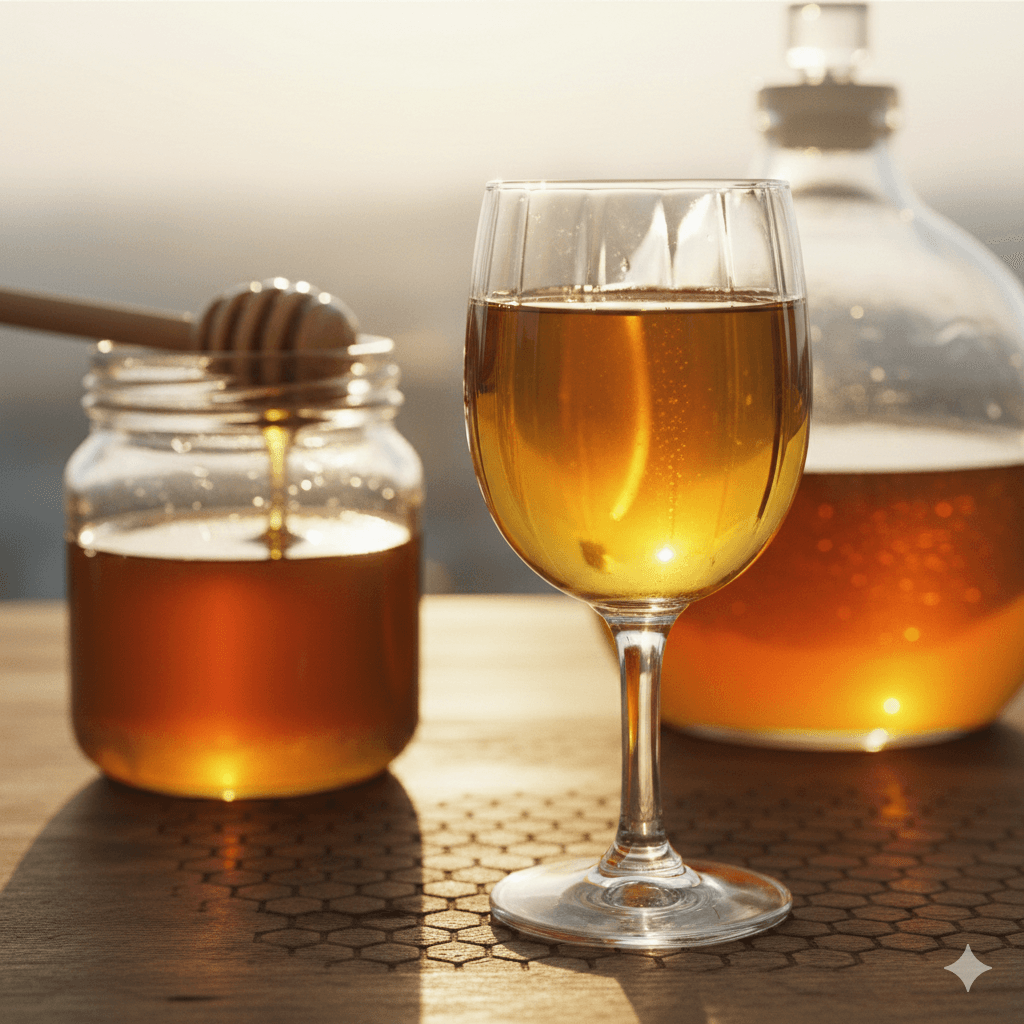
Mead is fermented honey water. That's it. Honey provides the sugar, yeast converts the sugar to alcohol, and you end up with an ancient beverage that ranges from dry and crisp to sweet and syrupy, depending on how you make it. It can be still or sparkling, light or strong, and it takes to fruit, spice, and herb additions beautifully.
People have been making mead for thousands of years — possibly longer than beer or wine. And while it might sound exotic, the process is actually simpler than either of those. You don't need to mash grain or press grapes. You just dissolve honey in water, add yeast, and wait. The hardest part is the waiting.
This guide walks you through a traditional mead (also called a “show mead” — honey, water, and yeast only) with a 1-gallon batch. It's the perfect size to learn on without committing a fortune in honey.
🍯 Honey quality matters
The honey is the star here — it's basically your only flavor ingredient. Cheap, ultra-processed honey from a bear-shaped squeeze bottle will make thin, uninteresting mead. Spring for real, raw honey from a local beekeeper or a quality brand. You'll taste the difference immediately. Different varietals (orange blossom, buckwheat, wildflower) produce noticeably different meads.
The Process
Sanitize everything. Just like beer brewing, everything that touches your mead must be sanitized. Mix up a batch of Star San, soak your carboy, airlock, funnel, and any spoons or stirrers. Sanitation is non-negotiable.
Mix honey and water. Warm about a quart of water (not boiling — just warm enough to dissolve the honey, around 100–110°F). Pour the honey into the warm water and stir until fully dissolved. You can also pour the honey directly into the carboy, add warm water, cap it, and shake vigorously — this works well and is less messy.
💡 Don't boil the honey
Old mead recipes tell you to boil the honey-water mixture (called the “must”). Modern mead makers skip this. Boiling drives off delicate honey aromas and flavors that you want in the final product. Just dissolve, don't cook.
Top up with water. Add room-temperature water to the carboy until it's about 3/4 full (leaving headspace for foam during active fermentation). Add the yeast nutrient. Cap the carboy and shake vigorously for 2–3 minutes — this dissolves everything and aerates the must, which the yeast needs to get started.
Pitch the yeast. Make sure the must is at room temperature (below 80°F / 27°C). Sprinkle the wine yeast into the carboy. You don't need to stir. Attach the airlock filled with sanitizer solution or clean water.
Ferment for 2–4 weeks (primary). Place the carboy somewhere dark and room temperature (65–75°F / 18–24°C). You should see airlock activity within 24–48 hours. During the first week, degas the mead daily by gently swirling the carboy — this releases dissolved CO2 that can stress the yeast. Add additional yeast nutrient in small doses on days 3, 5, and 7 (staggered nutrient additions, or SNA, produce much better mead).
Rack to secondary. After 2–4 weeks, when vigorous fermentation has slowed (the airlock bubbles only every 30+ seconds), siphon the mead off the sediment (lees) into a clean, sanitized carboy. Fill to the neck — you want minimal air exposure from this point on. Reattach the airlock.
Age and clear. Let the mead sit in secondary for 2–6 months. It will slowly clear on its own as particles settle out. Rack again if significant sediment collects (every 4–6 weeks). The mead is ready to bottle when it's visually clear and the airlock shows no activity. Taste it periodically — it will improve dramatically with time.
Bottle. Siphon the clear mead into sanitized bottles. If you want a still (non-carbonated) mead, just cork the bottles. For sparkling mead, add a small amount of honey (about 1 teaspoon per bottle) before capping with a crown cap or flip-top. Use bottles rated for carbonation pressure.
⏳ The 6-month rule
Young mead often tastes “hot” — harsh, boozy, and one-dimensional. This is completely normal. Almost every mead improves dramatically after 6 months of aging. A year is even better. If your freshly bottled mead is a bit rough around the edges, resist the urge to dump it. Put it away and forget about it. When you open it months later, you'll be glad you waited.
Variations
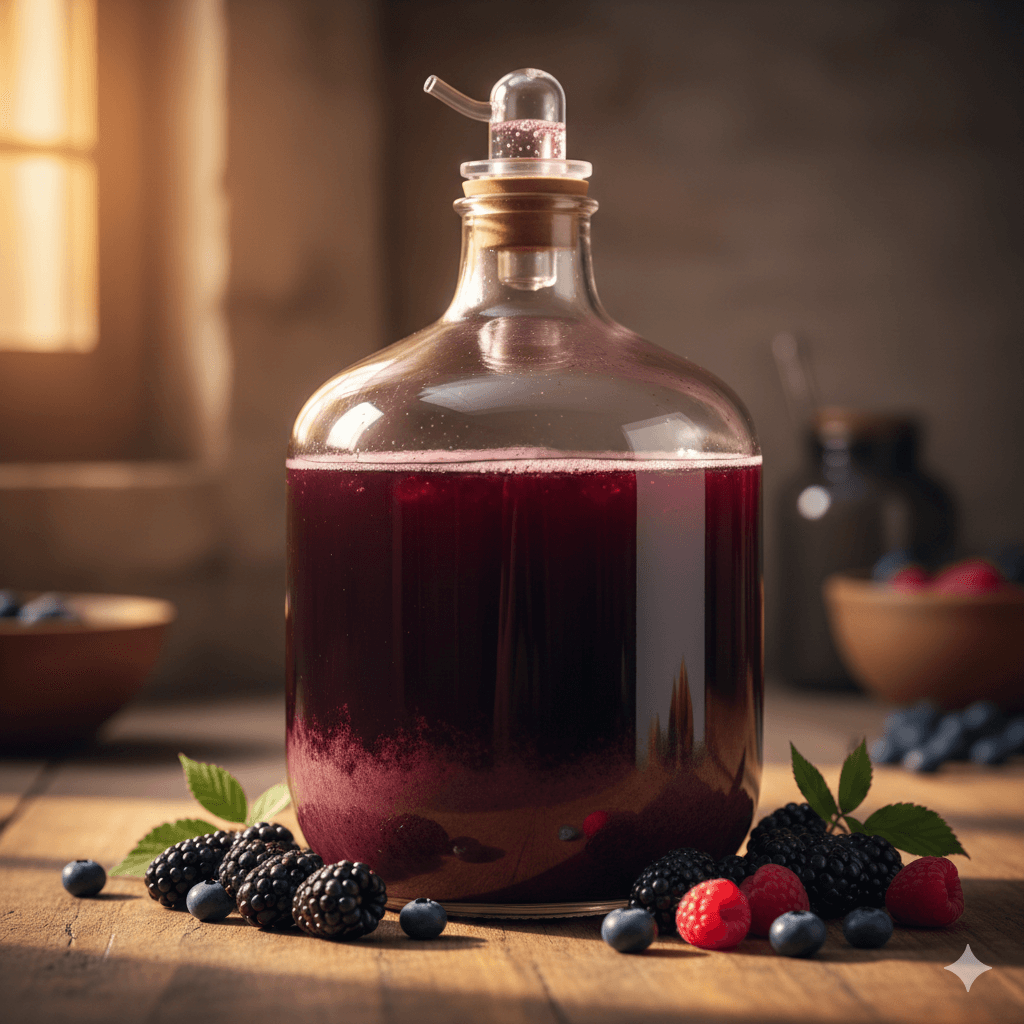
- Melomel — mead with fruit. Add 1–2 lbs of fruit (berries, cherries, peaches) in secondary fermentation. The fruit adds flavor, color, and a little extra sugar for the yeast.
- Metheglin — mead with spices and herbs. Cinnamon sticks, vanilla beans, cloves, ginger, or even chili peppers. Add in secondary for more controlled flavor. Start small — spices can overpower quickly.
- Cyser — mead made with apple cider instead of water. Replace all or part of the water with fresh apple cider for a honey-apple hybrid that's incredible in fall.
- Braggot — a mead-beer hybrid made with both honey and malt. Historically fascinating and uniquely delicious.
- Bochet — made with caramelized honey. Cook the honey until it darkens and develops toffee, marshmallow, and caramel notes before dissolving in water. Complex and stunning.
Troubleshooting
Fermentation is very slow or stalled
Honey is nutrient-poor, and hungry yeast ferments slowly or stops altogether. This is the most common mead-making issue. Make sure you're using yeast nutrient — it's essentially mandatory for mead. If fermentation stalls, add more nutrient and gently swirl the carboy to rouse the yeast. Temperature matters too — make sure you're in the 65–75°F range.
It smells like rotten eggs
Hydrogen sulfide, caused by stressed yeast — usually from lack of nutrients. Degas by swirling, rack to a new vessel, and add yeast nutrient. If caught early, it clears up. In severe cases, the smell can linger. Prevention (proper nutrients from the start) is much easier than the cure.
It's too sweet
The yeast may have hit its alcohol tolerance before eating all the sugar. You can pitch a more alcohol-tolerant yeast (like EC-1118) to restart fermentation and dry it out. Or just accept a sweet mead — many people prefer it that way. For your next batch, use less honey for a drier result (2 lbs per gallon gives a semi-sweet mead; 2.5 lbs or more goes sweet).
It's too dry
The yeast ate all the honey. You can back-sweeten by dissolving honey in a small amount of warm water and adding it to the mead — but first add potassium sorbate and a Campden tablet to prevent refermentation. This stabilizes the mead so the yeast can't eat the added sweetness.
It's cloudy and won't clear
Give it more time — mead can take months to clear naturally. Cold crashing (putting the carboy in a cold spot or fridge for a few days) helps particles settle. You can also use bentonite or other fining agents. Pectin haze from fruit additions can be treated with pectic enzyme.
Storage
Bottled mead, stored in a cool, dark place, can last for years — and often improves with age. Traditional meads above 14% ABV are particularly shelf-stable. Keep bottles on their side if corked. Once opened, treat it like wine — re-cork and refrigerate, and drink within a week or two.
Check out our recommended mead making supplies for airlocks, carboys, wine yeast, and everything else you need to brew your first batch.
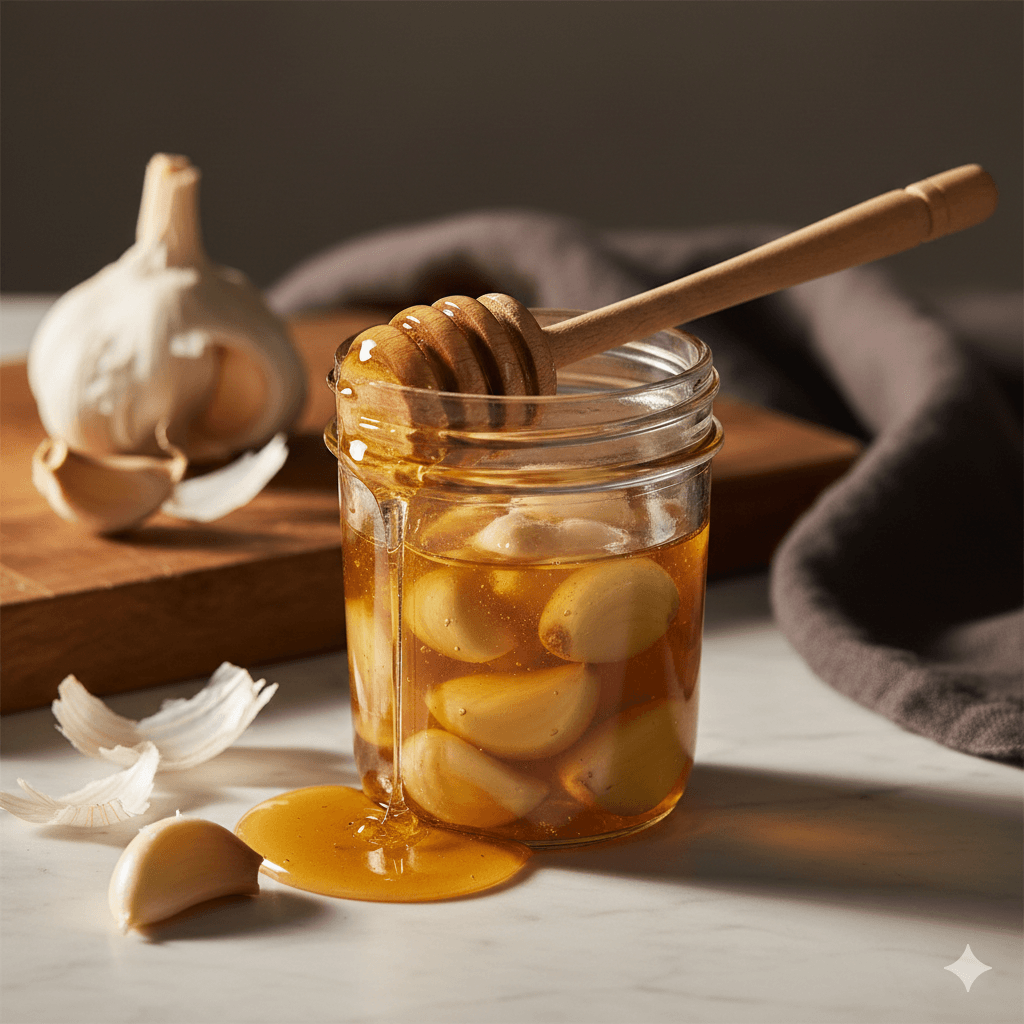
Honey shows up in more fermentation projects than you'd think. Fermented garlic honey is a condiment ferment that also uses raw honey and is ready in weeks rather than months. For other fermented beverages, fruit wine uses the same equipment and yeast approach, and homebrewing beer opens up the world of hop-driven fermentation.