Why Make Wine at Home?
Making wine at home is one of the oldest forms of fermentation. People have been doing it for thousands of years with nothing more than fruit, water, and the wild yeast floating through the air. The modern version isn't much more complicated — you just add a few things to make the results more reliable.
Country wine (fruit wine) is the best place to start. Unlike grape wine, which requires specific varieties, specific climates, and years of barrel aging to hit its stride, fruit wine is forgiving, fast, and endlessly creative. You can make wine from almost any fruit — berries, stone fruit, apples, pears, even flowers like elderflower or dandelion. The process is the same. Only the flavors change.
This guide walks you through a basic mixed berry wine. Once you understand the process, you can adapt it to any fruit you have on hand.
If you want the fermenter, airlock, and additives sorted in one box instead of piecing them together, start with our wine making kits for beginners comparison.
The Process
Prepare the fruit. Mash or chop the berries in a large, sanitized bucket or pot. If using frozen berries, let them thaw first — freezing actually helps break down the cell walls and release more juice. You can mash by hand, with a potato masher, or pulse briefly in a food processor. You want them broken open, not puréed.
Dissolve sugar and combine. Boil about half the water and dissolve the sugar in it. Let it cool to room temperature. Pour the sugar water over the fruit and add the remaining water. If using a Campden tablet, crush and add it now — it sterilizes the must (that's what the unfermented fruit-sugar-water mixture is called). Wait 24 hours before adding yeast if you use Campden. Stir in the yeast nutrient and acid blend.
Pitch the yeast. Sprinkle the wine yeast over the surface of the must. Don't stir it in yet — let it sit for 15 minutes to rehydrate, then stir gently. Cover the bucket with a cloth and secure with a rubber band. This is your primary fermentation.
Primary fermentation (5–7 days). Stir the must once or twice daily, pushing the fruit cap (the floating fruit) back down into the liquid. Fermentation will be vigorous — you'll see lots of bubbles and it'll smell actively yeasty and fruity. After 5–7 days, the vigorous bubbling will slow down. It's time to move to secondary.
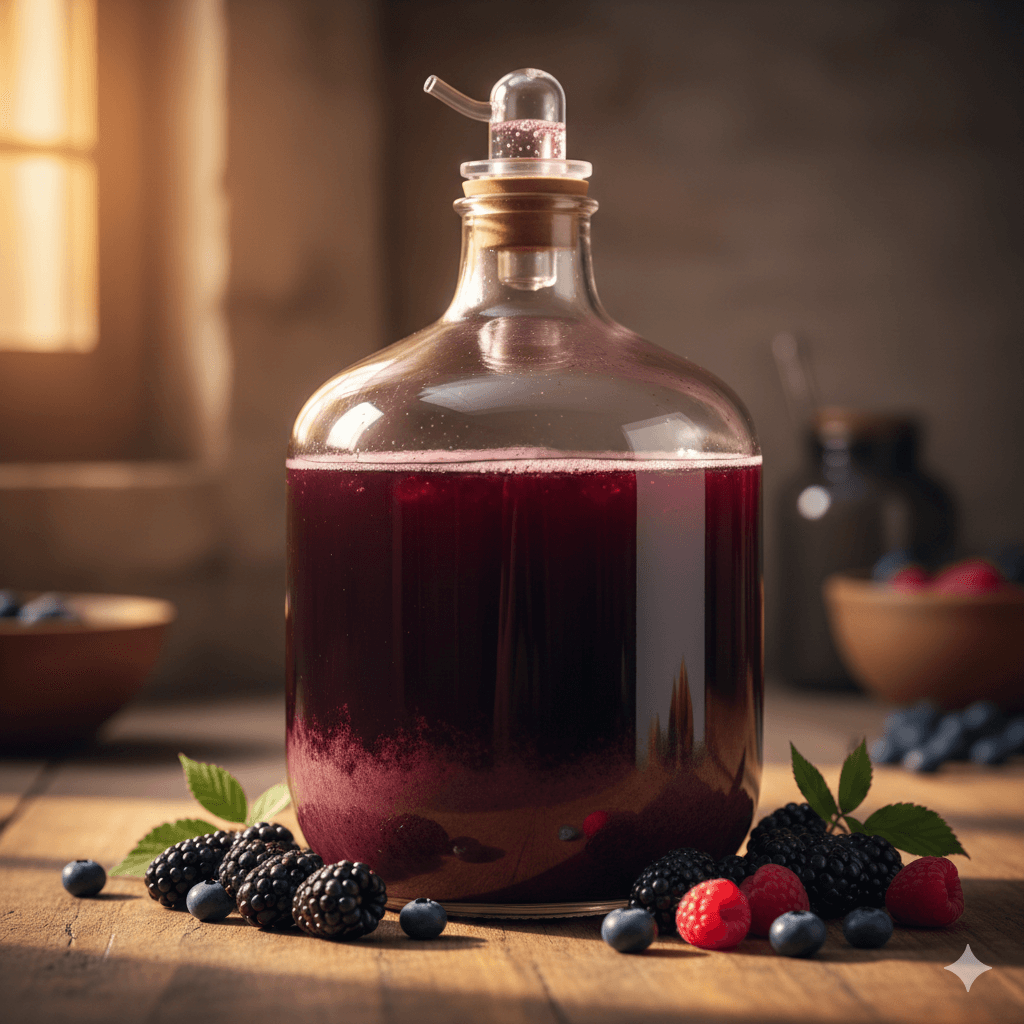
Rack to secondary. Strain out the fruit through a fine-mesh strainer or muslin bag. Don't squeeze the bag hard — gentle pressing is fine, but wringing it out extracts harsh tannins. Siphon or pour the liquid into a clean, sanitized glass carboy. Fill to the neck to minimize air exposure. Attach the airlock. Let it sit for 4–6 weeks.
Rack again and age. After 4–6 weeks, you'll see sediment (lees) at the bottom. Carefully siphon the wine off the sediment into another clean container, leaving the lees behind. This is called racking. Reattach the airlock and let it age for another 2–4 months. You can rack one more time if significant sediment collects again.
Bottle. When the wine is clear and no more sediment is forming, it's ready to bottle. Siphon into sanitized wine bottles and cork, or use flip-top bottles. If you want a sweeter wine, you can add sugar or simple syrup to taste before bottling — but also add a Campden tablet to prevent refermentation in the bottle.
💡 Patience is everything
Fruit wine at 2 months is drinkable. At 6 months it's good. At a year it can be genuinely impressive. The harshness, the “hot” alcohol flavor, the rough edges — they all smooth out with time. If your young wine seems too sharp or boozy, don't dump it. Just age it longer.
Fruit Ideas
Almost any fruit works. Here are some favorites:
- Blackberry — rich, deep, and gorgeous color. One of the best fruit wines.
- Apple — technically cider, but the process is the same. Use a mix of sweet and tart apples.
- Peach — light, aromatic, and perfect for summer sipping
- Strawberry — delicate and pretty, best blended with another berry for body
- Plum — deep and complex, with a gorgeous purple hue
- Elderflower — a classic English country wine. Delicate and floral.
- Dandelion — yes, really. A traditional wine with a honey-like quality.
Troubleshooting
Fermentation won't start
If you used a Campden tablet, make sure you waited the full 24 hours before pitching yeast. Check that the must isn't too hot or too cold — 65–75°F (18–24°C) is ideal for most wine yeasts. If the yeast is old, it may not be viable. Pitch a fresh packet.
The wine smells like rotten eggs
Hydrogen sulfide — usually caused by stressed yeast. The most common cause is a lack of yeast nutrient. Rack the wine off the lees and splash it a bit during transfer to blow off the gas. If caught early, the smell usually dissipates. Severe cases may need treatment with copper sulfate (advanced technique).
The wine is cloudy
Fruit wines can take a long time to clear naturally. Give it more time — sometimes several months. You can also use a fining agent like bentonite or gelatin to speed up clearing. Cold crashing (chilling the carboy to near-freezing for a few days) also helps particles settle.
It's too dry / too sweet
If too dry, the yeast ate all the sugar. You can back-sweeten by adding simple syrup or honey to taste before bottling — but add a Campden tablet and potassium sorbate to prevent refermentation. If too sweet, the yeast may have stopped early — try pitching more yeast or using a higher-alcohol-tolerant strain like EC-1118.
See our full list of recommended wine making supplies including airlocks, carboys, yeast, and everything else you need to get started.
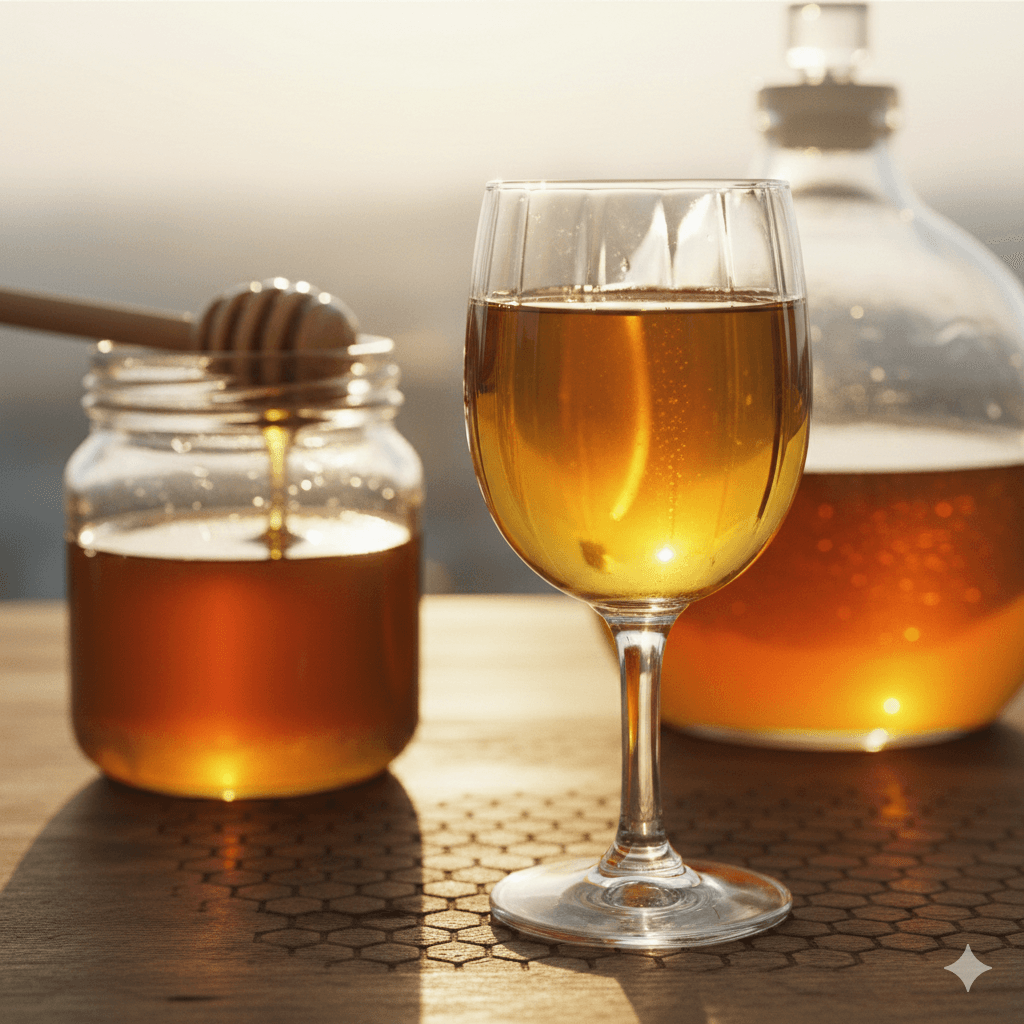
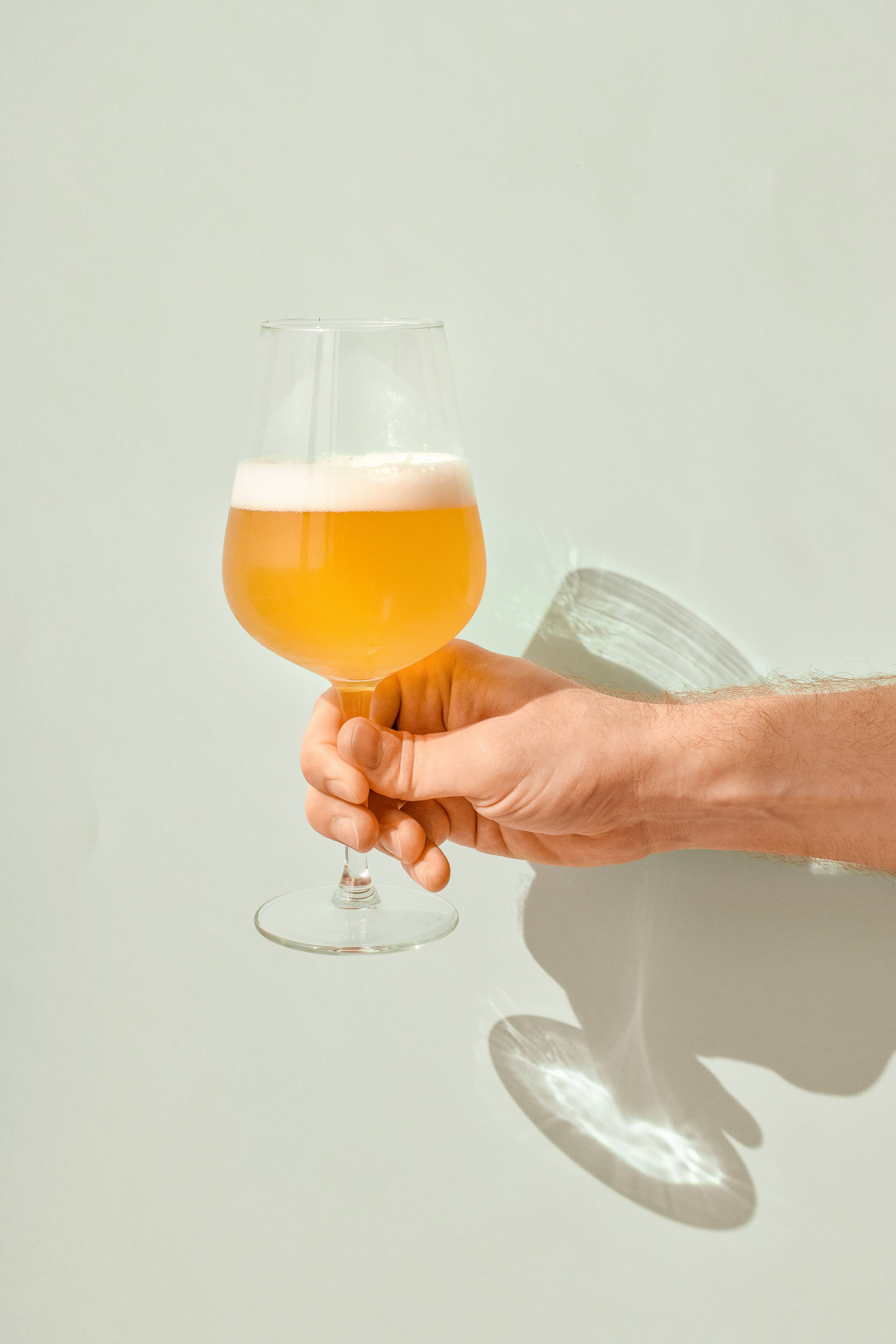
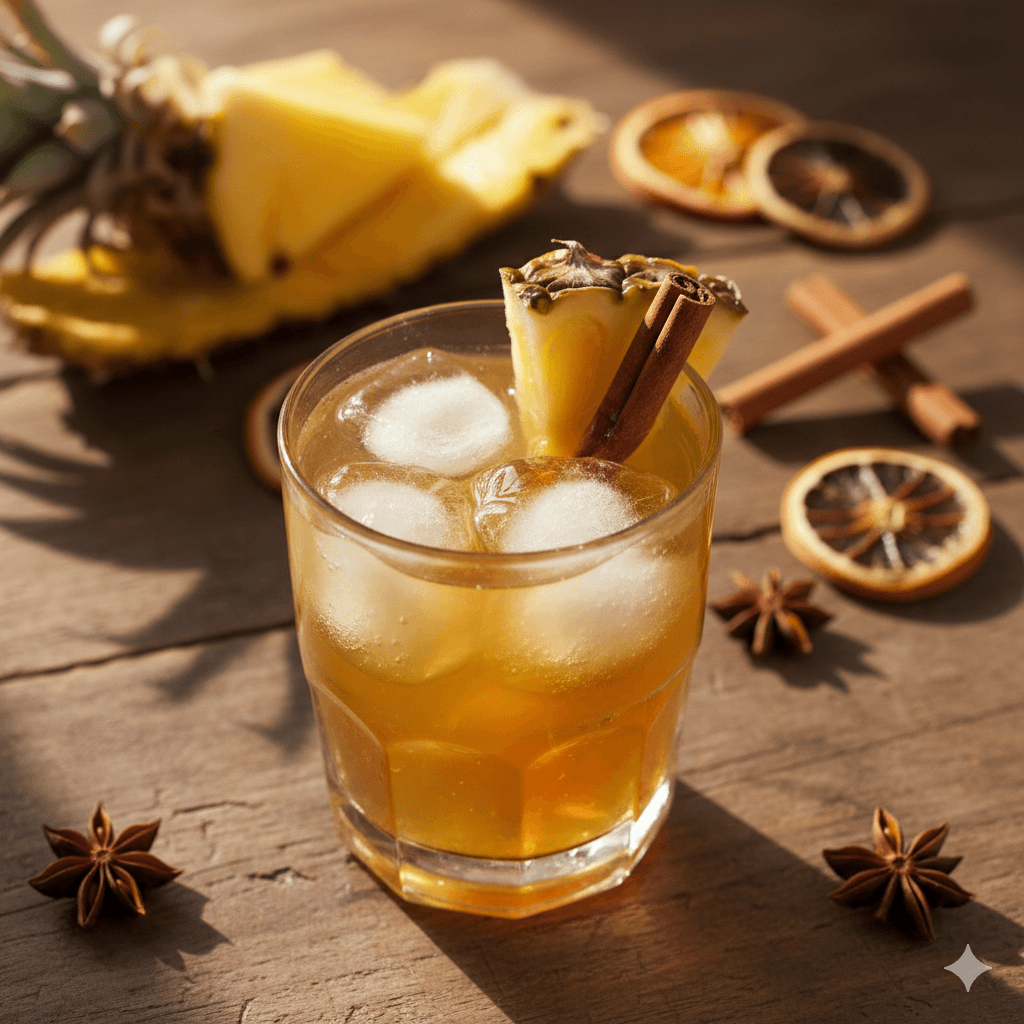
Exploring fermented beverages? Homemade mead uses a nearly identical process but honey instead of fruit — an incredible project. Homebrewing beer adds a boiling step and hops but uses the same fermentation fundamentals. For faster fermented drinks, tepache is ready in 2–3 days using just pineapple scraps.