A good fermentation crock makes everything easier. Better temperature stability, less babysitting, fewer mold scares. If you're looking for the best fermentation crock to start making sauerkraut, kimchi, or pickles at home, I've tested the main options and have a clear recommendation. If you're brand new to all of this, start with our beginner's guide to fermentation first.
Why Use a Fermentation Crock?
You can ferment in almost anything — a Mason jar, a bowl with a plate on top, even a plastic bucket. But a proper crock gives you advantages that matter once you're doing this regularly. The thick ceramic walls hold temperature steady, which means more consistent ferments. The weight of the crock keeps things stable on your counter. And a water-seal lid creates an anaerobic environment without you having to burp jars or fuss with airlocks.
The short version: crocks are less work and more forgiving. If you're fermenting every week or two, the upgrade is worth it. If you're just getting started, a Mason jar setup works fine — I'll cover that option too. For a full walkthrough of the process, see our guide on how to ferment at home.
Our Top Pick: Water-Seal Crock
Humble House Fermentation Crock, 2-Liter (~$40)
This is the one I recommend. The Humble House 2-liter crock uses a traditional German-style water-seal design: a moat around the rim holds water, and the lid sits in that moat. CO2 bubbles out, oxygen can't get in. You don't need airlock lids, you don't need to burp anything, and you don't need to check on it every day. Fill it, seal it, wait.
The 2-liter size is ideal for most home fermenters. It holds about a medium head of cabbage for sauerkraut, a solid batch of kimchi, or a few pounds of pickles. It comes with ceramic weights that fit perfectly inside, so your vegetables stay submerged without any improvising.
The ceramic is thick and heavy, which is a feature, not a bug. That mass keeps the temperature stable and blocks light. I've had mine for years and it still looks new. If you're buying one thing for vegetable fermentation, this is it.
Best Budget Option: Mason Jar Setup
Not ready to spend $40 on a crock? Fair enough. You can put together a solid fermentation setup with Mason jars for about $25 total. It takes a little more attention than a crock, but it works well and lets you ferment multiple small batches at once.
Wide-Mouth Mason Jars (~$16 for a dozen)
Wide-mouth quart jars are the workhorses of home fermentation. The wide opening makes them easy to pack with vegetables, and they fit standard fermentation weights and airlock lids. Get a case of 12 — you'll use them for everything from fermenting to storage.
Glass Fermentation Weights (~$10 for 4)
Keeping vegetables submerged under brine is the single most important thing in vegetable fermentation. Anything above the brine line is exposed to oxygen, and that's where mold happens. Glass weights sit right inside the jar and hold everything down. Non-negotiable if you're using jars.
Airlock Fermentation Lids (~$14)
Airlock lids replace the standard Mason jar lid and let CO2 escape without letting oxygen in. They turn a regular jar into a mini fermentation vessel. Without these, you'll need to “burp” your jars daily to release pressure. With them, you can mostly leave things alone. The kit comes with enough lids to run several ferments at once.
Total cost for jars, weights, and lids: about $25–$30. That gets you a setup that handles 4 simultaneous quart-size ferments.
Crock vs Mason Jar
Both work. The question is what fits your fermenting style.
Choose a crock if: you ferment regularly, you prefer larger batches (1–2 liters at a time), you want a set-it-and-forget-it experience, or you just like having a beautiful ceramic vessel on your counter. The water seal means less monitoring and fewer mold issues.
Choose Mason jars if: you're just starting out, you want to experiment with small batches, you like running multiple ferments at once, or you're on a budget. Jars are versatile, cheap, and you can see exactly what's happening inside.
Honestly, most serious fermenters end up with both. I use the crock for sauerkraut and kimchi (bigger batches that ferment for weeks) and jars for hot sauce, salsa, and quick pickles.
What to Look For
Water seal vs open crock. A water-seal crock has a moat around the rim that creates an airlock. An open crock is just a ceramic pot — you cover it with a cloth and hope for the best. Always go with a water seal. The price difference is small and the results are significantly more reliable.
Size. A 2-liter crock is the sweet spot for most home fermenters. It's big enough for a meaningful batch but small enough to fit on a counter and in the fridge. If you're feeding a large family or fermenting in bulk, look at 5–10 liter crocks, but start small.
Material. Ceramic is the standard and what I recommend. It's non-reactive, holds temperature well, and blocks light. Glass works too (that's what Mason jars are), but it doesn't insulate as well. Avoid plastic and metal — plastic can leach at low pH, and metal reacts with the acids produced during fermentation.
Weights included. Make sure whatever you buy comes with weights or that you buy them separately. Submerging your vegetables is not optional.
What to Make in Your Crock
Once you have your crock or jar setup, here's where to start:
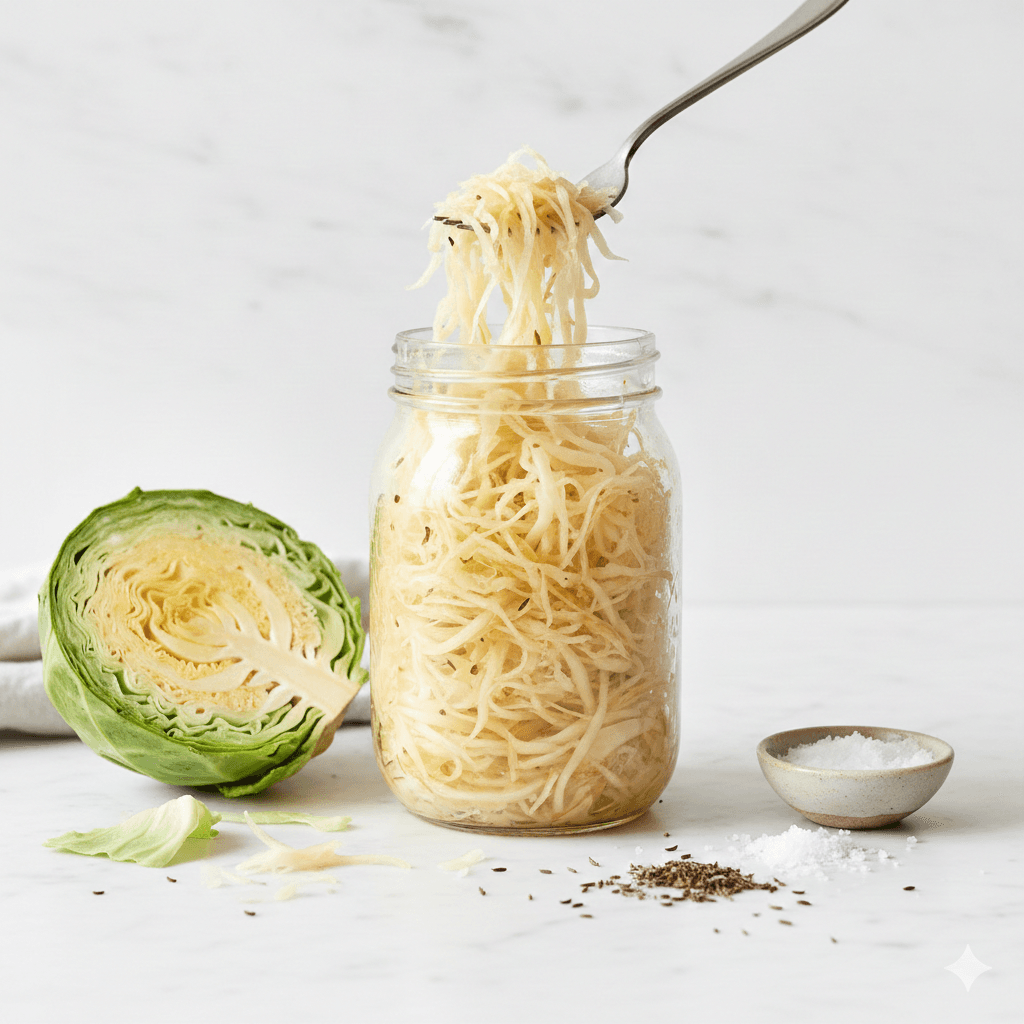
- Homemade Sauerkraut — The classic first ferment. Two ingredients, one vessel, one week.
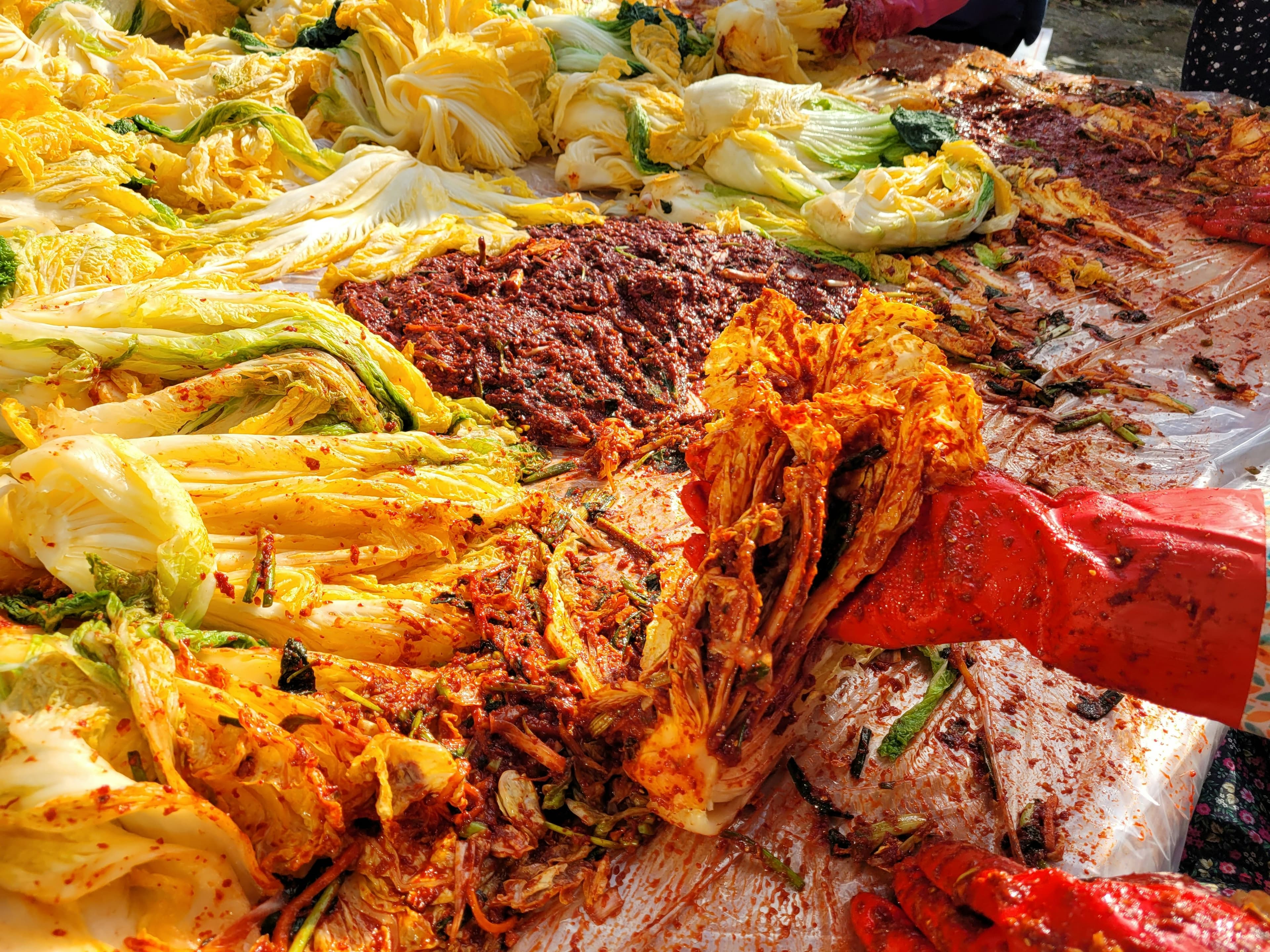
- Kimchi — A bit more prep work, but a crock handles the fermentation beautifully.
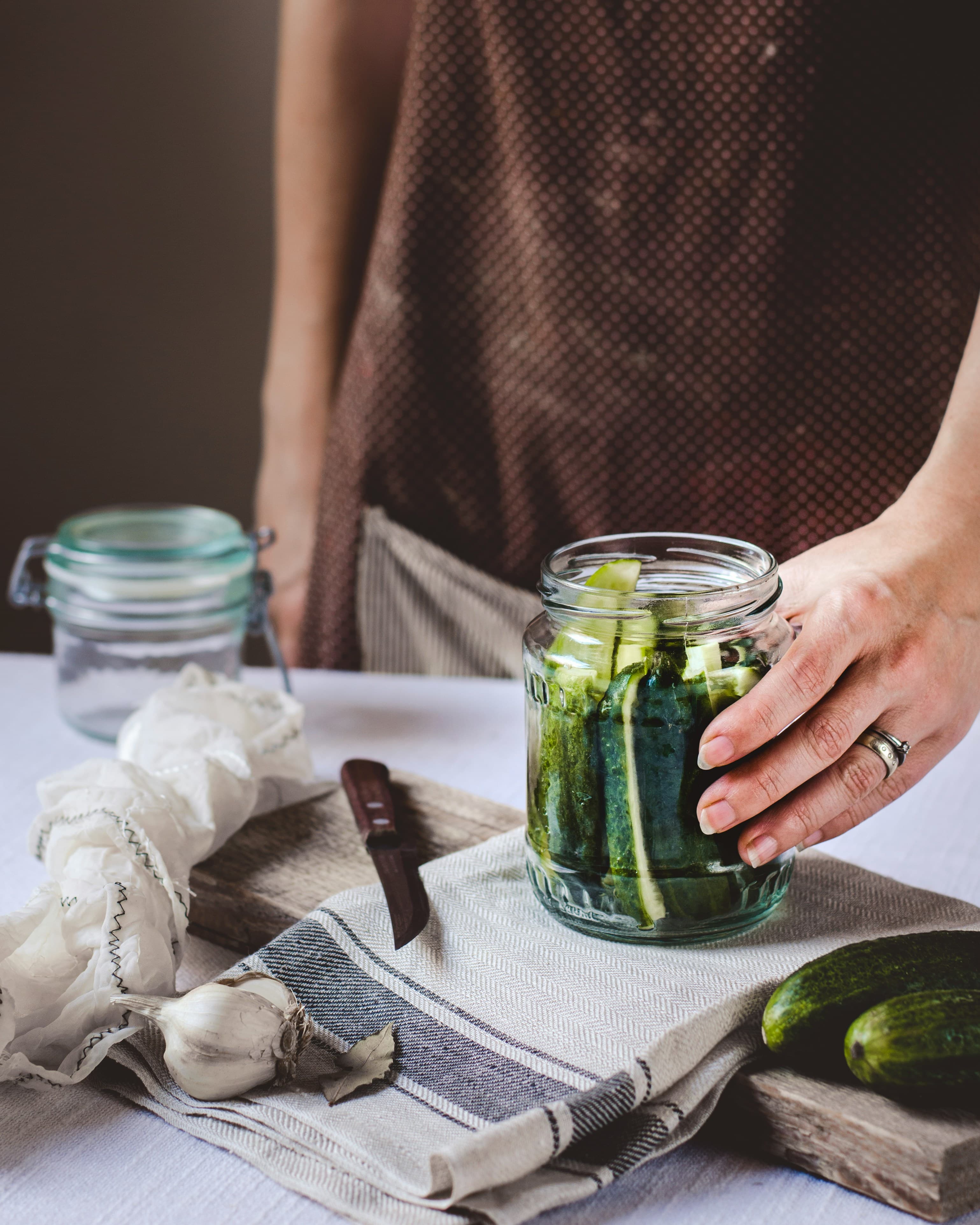
- Fermented Pickles — Crunchy, tangy, and nothing like vinegar pickles.
- Fermented Hot Sauce — People lose their minds over homemade fermented hot sauce. A jar setup works great for this one.
Looking for more gear?
Check our Tools page for all of our tested fermentation equipment recommendations with direct links.