Most store-bought hot sauces are vinegar-based: they get their heat and shelf life from acid added after the fact, not from fermentation. Fermented hot sauce takes a completely different path. You pack fresh peppers in a salt brine, let naturally occurring bacteria transform them over one to four weeks, and then blend the result into a sauce with depth and complexity that vinegar alone can't replicate.
The result is more interesting than Tabasco and more nuanced than Sriracha. It's also genuinely easy to make, requires no special equipment beyond a jar and a blender, and keeps in the fridge for months. Here's how to do it.
Why Ferment Hot Sauce Instead of Just Using Vinegar?
Vinegar hot sauce is fast and sharp. You blend peppers, add vinegar and salt, and you have something hot and tangy in minutes. It's not wrong — it's just one-dimensional. The sourness is all acetic acid from the vinegar, and it registers as bright and punchy on the palate.
Fermented hot sauce develops its acidity over time through lactic acid fermentation. The flavor profile is rounder and more complex — fruity, slightly funky, with layers that open up as you taste. The heat also integrates differently. Many people find fermented hot sauce easier to eat in quantity because the heat builds more gradually and the flavor supports it rather than competing with it.
For a full comparison of the two approaches, see our post on fermented vs. vinegar hot sauce.
Base Recipe: Classic Fermented Hot Sauce
This recipe makes about two cups of finished hot sauce — enough to fill two standard 5-oz hot sauce bottles. It's a versatile base you can adjust in many directions once you understand how fermentation changes the peppers.
Ingredients:
- 500g (about 1 lb) fresh chili peppers — see pepper selection notes below
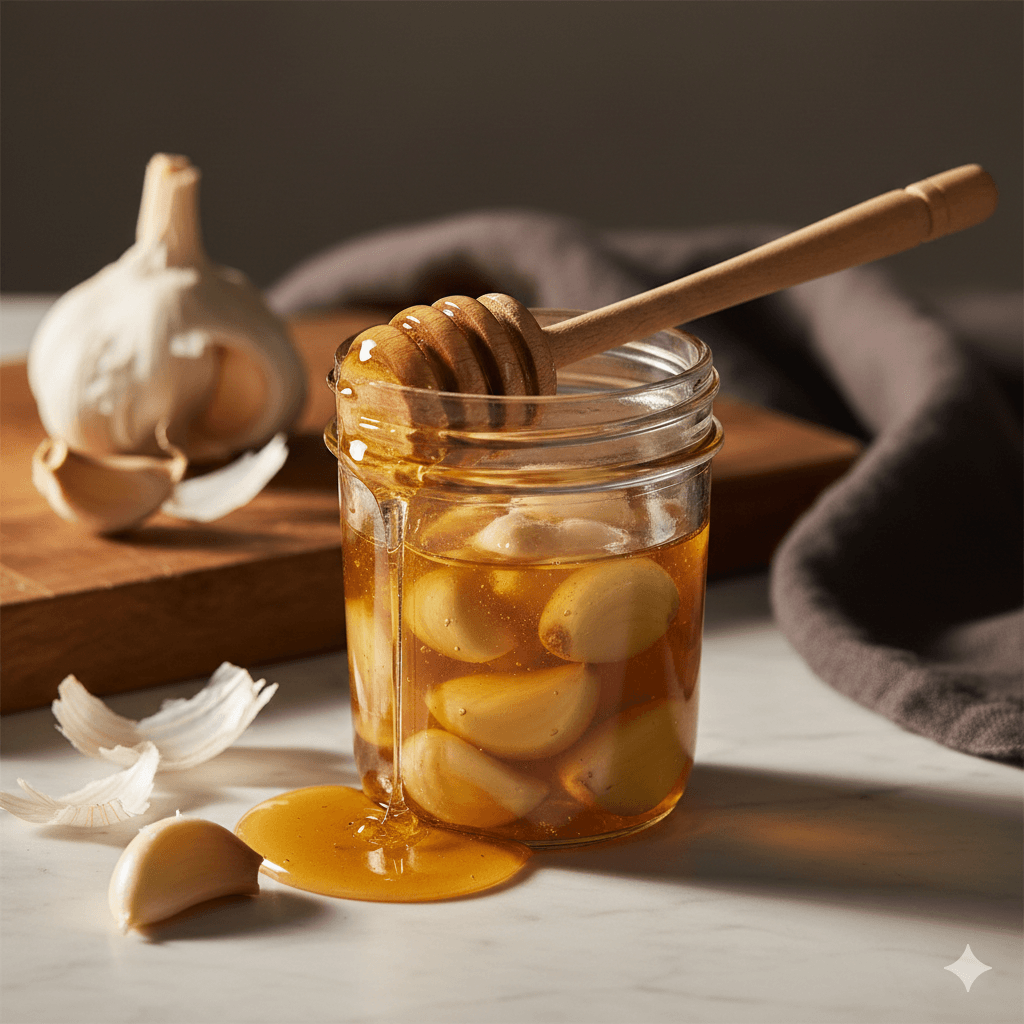
- 4–6 garlic cloves, peeled
- 2% brine solution: 20g non-iodized salt dissolved in 1 liter of filtered water
- After fermentation: 2–4 tablespoons apple cider vinegar (optional)
Equipment:
- A quart-size (1-liter) glass jar
- A fermentation weight or small zip-lock bag filled with brine
- A blender or food processor
- Hot sauce bottles for storage (5-oz woozy bottles are the standard)
Always use non-iodized salt.
Iodized table salt contains additives that can inhibit the beneficial bacteria driving lacto-fermentation. Use kosher salt, sea salt, or pickling salt instead. For a deeper look at salt choices for fermenting, see our guide on salt for fermentation.
Choosing Your Peppers
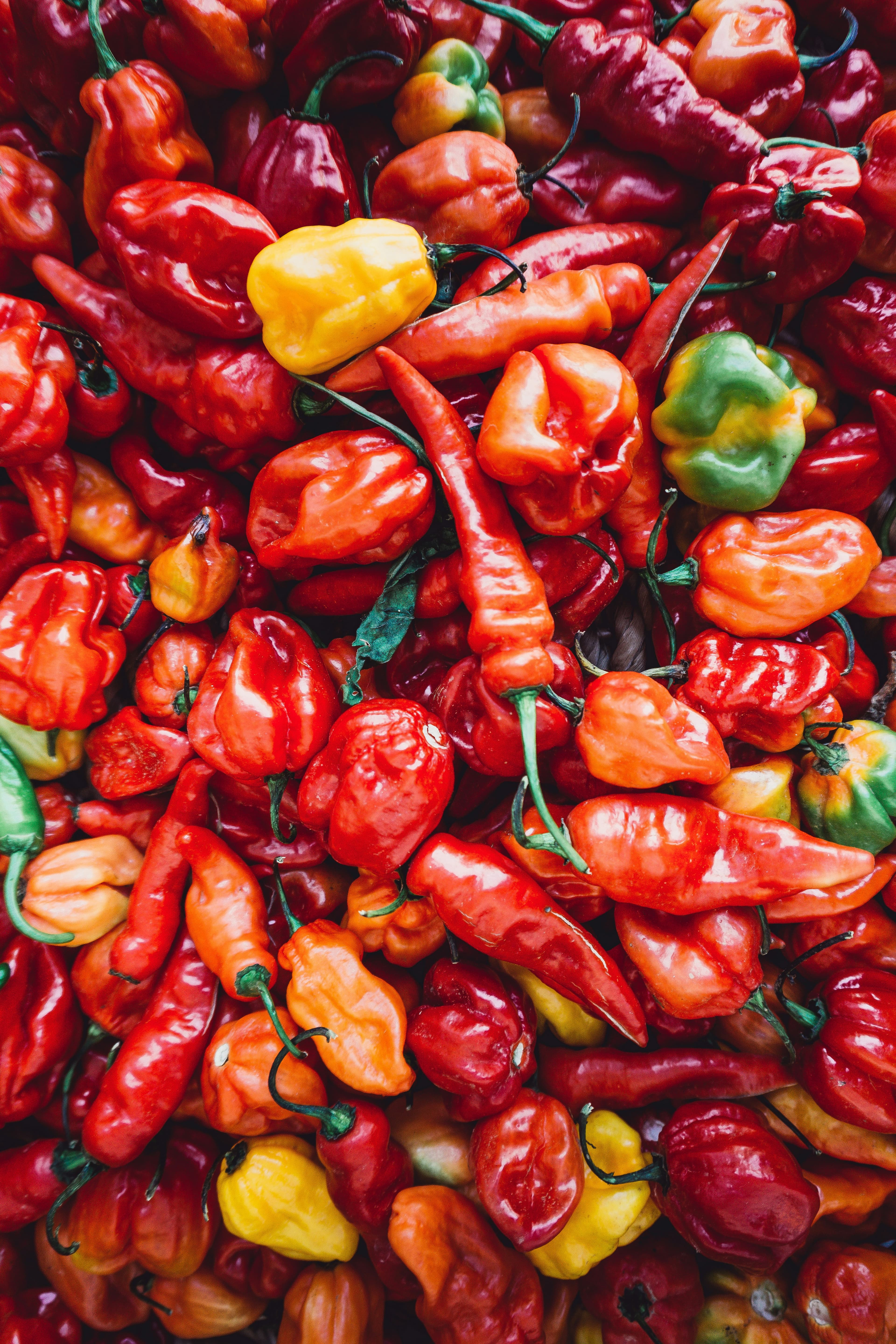
The pepper you choose defines the flavor and heat level more than anything else. Here are the most common choices and what they bring:
Fresno or red jalapeño: Mild to medium heat, fruity and slightly sweet. Great starting point for beginners. Widely available, inexpensive, and forgiving. Produces a bright red sauce with broad appeal.
Serrano: Hotter than jalapeño, with a clean, grassy heat. Good for a more assertive everyday sauce. Can be used green or red.
Habanero or scotch bonnet: Intensely hot with distinctive tropical fruit notes. Use in small quantities blended with milder peppers, or dilute more with vinegar in the finishing stage. Not recommended as a pure single-pepper sauce unless you have a high heat tolerance.
Cayenne: Classic medium-hot pepper with thin walls that ferment cleanly. Produces a more traditional-style sauce. Good for blending with other varieties.
You can also blend pepper varieties — combining a milder pepper for volume and flavor with a small amount of a hotter variety for heat is a common approach among home hot sauce makers.
Step-by-Step Instructions
Step 1: Prepare the peppers. Wash your peppers and remove the stems. You can leave the seeds in for more heat or remove some for a milder result. Wear gloves when handling habaneros or hotter peppers — capsaicin transfers to skin and is difficult to remove. Slice or roughly chop the peppers so they pack into the jar more efficiently.
Step 2: Pack the jar. Add the garlic cloves to the jar, then pack in the peppers. Leave about an inch of headspace at the top.
Step 3: Add the brine. Pour your 2% brine solution over the peppers until they are fully submerged. Press down with a weight to keep everything below the brine line — a small zip-lock bag partially filled with brine works well as an improvised weight. Submerging the peppers is important: anything above the brine is exposed to oxygen, which can allow mold to grow.
Step 4: Cover loosely and ferment. Cover the jar with a cloth or a lid set very loosely (not sealed) so that CO₂ can escape. Place it somewhere at room temperature, away from direct sunlight. Ferment for one to four weeks, depending on your taste preference.
Start tasting at the one-week mark. The peppers should smell pleasantly sour — tangy, vinegary, with the underlying pepper aroma still present. At one week you'll have a mild ferment. At three to four weeks, the flavor is deeper and more complex. Most people find their sweet spot around two weeks.
Step 5: Blend the sauce. When the ferment is ready, drain the brine into a separate container — you'll use some of it in the blending step. Transfer the peppers and garlic to a blender. Add a few tablespoons of the reserved brine and blend until smooth.
Taste the sauce. If it's too thick, add more brine. If you want more acidity, add one to two tablespoons of apple cider vinegar. Adjust salt to taste.
For a smoother sauce, pass the blended result through a fine-mesh strainer or cheesecloth to remove seeds and skin. For a chunkier texture, blend less thoroughly or skip the straining step.
Step 6: Bottle and store. Transfer the finished sauce to hot sauce bottles or any clean jar with a tight-sealing lid. Refrigerate immediately. The fermentation has already produced acid and the cold significantly slows any further activity. Properly stored in the fridge, fermented hot sauce keeps for six months to a year.
Flavor Variations
Once you have the base process down, the variation possibilities are extensive. Here are a few directions worth exploring:
Mango habanero. Replace a third of the peppers with ripe mango chunks. The fruit ferments alongside the peppers and adds a tropical sweetness that balances habanero's heat beautifully. Ferment for one to two weeks and blend with a small amount of lime juice.
Roasted garlic and chipotle. Add four to six roasted garlic cloves and two dried chipotle peppers (soaked and seeds removed) to your fermentation jar alongside fresh peppers. The smokiness from the chipotles carries through the ferment.
Carrot and habanero. A classic Central American-inspired combination. Use roughly equal parts carrots and habaneros in your ferment. The carrots add natural sweetness, bulk out the sauce, and tame the heat to an approachable level. Ferment for two to three weeks.
Green herb sauce. Use green jalapeños or serranos with tomatillos (remove the husks and halve them). After fermentation, blend with fresh cilantro and lime. The result is a bright, herbaceous sauce closer to a fermented salsa verde.
Troubleshooting
White film on the surface. This is most likely kahm yeast — a harmless but aesthetically unpleasant film that forms when peppers are exposed to air. Remove it with a clean spoon and ensure your peppers are fully submerged. For more on kahm yeast, see our post on what is kahm yeast and is it safe.
Fuzzy mold. Unlike kahm yeast, fuzzy mold (green, black, or pink) means the batch should be discarded. This typically happens when peppers are exposed above the brine for an extended period. Prevent it by ensuring full submersion from the start.
Very slow fermentation. A cool room temperature slows lactic acid bacteria significantly. If your kitchen is below 65°F (18°C), consider placing the jar somewhere slightly warmer or extending the fermentation time.
Sauce too thin after blending. Reduce the reserved brine you add during blending, or simmer the blended sauce briefly on low heat to thicken it. Note that simmering will kill the live cultures — if you want to preserve the probiotic content, serve the sauce raw from the fridge.
Bottle choice matters.
Standard woozy bottles (5 oz, with the narrow neck that fits a shaker cap) are the go-to for home hot sauce makers. They're inexpensive, widely available online, and give your sauce a professional look. Make sure to get the matching shaker caps — they let you control flow the way commercial hot sauces do. Swing-top glass bottles also work well if you prefer a more rustic presentation.