Jun tea is often described as “the champagne of kombucha” — a fermented drink made from green tea and raw honey instead of the black tea and cane sugar that kombucha uses. The result is lighter, more floral, and more delicate than kombucha, with a flavor profile that rewards careful brewing.
If you already make kombucha, jun is a natural next project. The process is almost identical. If you haven't fermented anything before, jun is approachable — though you'll need to source a jun SCOBY, which is slightly less common than kombucha SCOBYs.
What Is Jun Tea?
Jun (sometimes spelled “jun” or “jun cha”) is a fermented beverage whose origins are debated — some traditions place it in Tibet or the Himalayan region, though the historical evidence is thin. What's clear is that it's made with a specific symbiotic culture of bacteria and yeast (a SCOBY) that has adapted to feed on green tea and honey rather than black tea and sugar.
The resulting drink is lightly carbonated, gently sour, and carries the floral and grassy notes of green tea alongside the complexity of fermented honey. People who find kombucha too sharp or vinegary often prefer jun.
Jun Tea vs. Kombucha — What's the Difference?
The differences are real but subtle:
- Substrate: Jun uses green tea and raw honey. Kombucha uses black tea (usually) and cane sugar. The different sugars and tea compounds produce distinct flavor profiles.
- SCOBY: Jun requires a jun SCOBY, which is specifically adapted to honey. A kombucha SCOBY can technically ferment green tea and honey, but it's not the same organism and produces a different (some say inferior) result.
- Flavor: Jun is lighter, floral, and more delicate. Kombucha is more robust, acidic, and complex. Both can be excellent — they're simply different drinks.
- Brewing temperature: Green tea is more sensitive to heat than black tea. Jun requires more attention to brewing temperature (170–180°F for steeping, below 100°F before adding honey).
- Cost: Raw honey is more expensive than cane sugar, making jun a slightly pricier ferment per batch.
Getting a Jun SCOBY
Jun SCOBYs are less widely available than kombucha SCOBYs. Your best options:
- Online specialty sellers. Search for jun SCOBY from reputable fermentation sellers. They ship dehydrated or live SCOBYs with starter liquid.
- Fermentation communities. Jun brewers often share SCOBY babies (the extra layers the culture produces with each batch). Online fermentation groups and local brewing clubs are good sources.
- Starting from a store-bought jun. If you can find a raw, unpasteurized jun tea at a health food store, you can try using it as starter liquid to grow your own culture — though this takes longer than starting with an established SCOBY.
Ingredients
The Tea
Use a quality green tea — sencha, gunpowder, or dragonwell all work well. Avoid flavored or scented green teas (like jasmine), which can stress the SCOBY over time. Organic is worth it here, as pesticide residues can accumulate in the culture over many batches.
The Honey
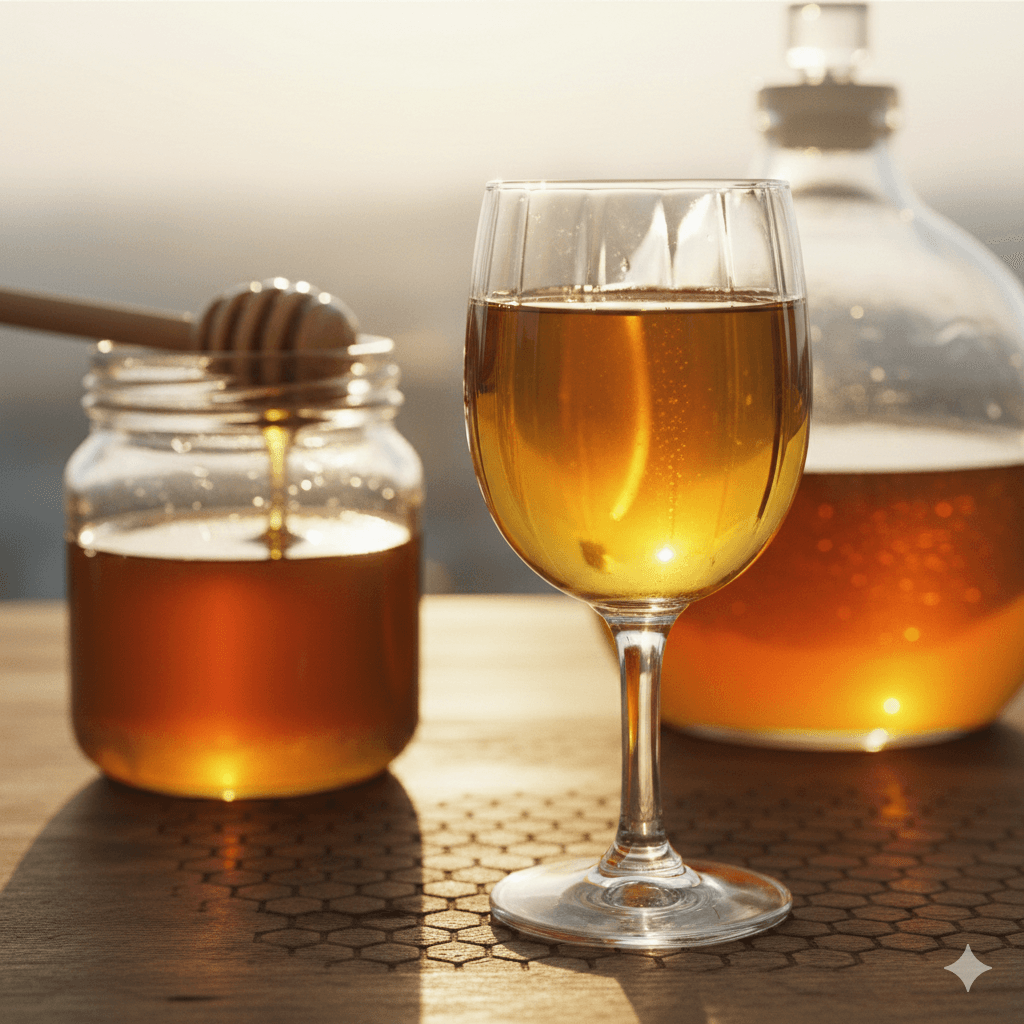
Use raw, unprocessed honey — the kind that's cloudy or crystallized, not the filtered, heat-treated honey in a bear-shaped bottle. Raw honey contains enzymes, beneficial compounds, and its own microbial complexity that contributes to jun's flavor. Processed honey produces a thinner, less interesting result.
Lighter honeys (clover, acacia, wildflower) produce a more delicate jun. Darker honeys (buckwheat, manuka) produce a more robust, complex flavor. Experiment once you have the basics down.
The Water
Filtered water is important. Chlorine in tap water can inhibit the SCOBY. If your tap water is heavily chlorinated, use filtered or bottled water.
The Brewing Process
Temperature Is Critical
This is the most important difference from kombucha brewing. Green tea turns bitter if brewed at boiling temperature — use 170–180°F (77–82°C). And you must never add honey to hot liquid above 100°F. Heat destroys the enzymes and beneficial compounds in raw honey that make jun what it is, and it can also stress your SCOBY when the brew is added.
The practical sequence: brew the tea at 170–180°F, let it cool to below 100°F, stir in the honey, then cool fully to room temperature before adding the SCOBY.
The SCOBY and Starter Liquid
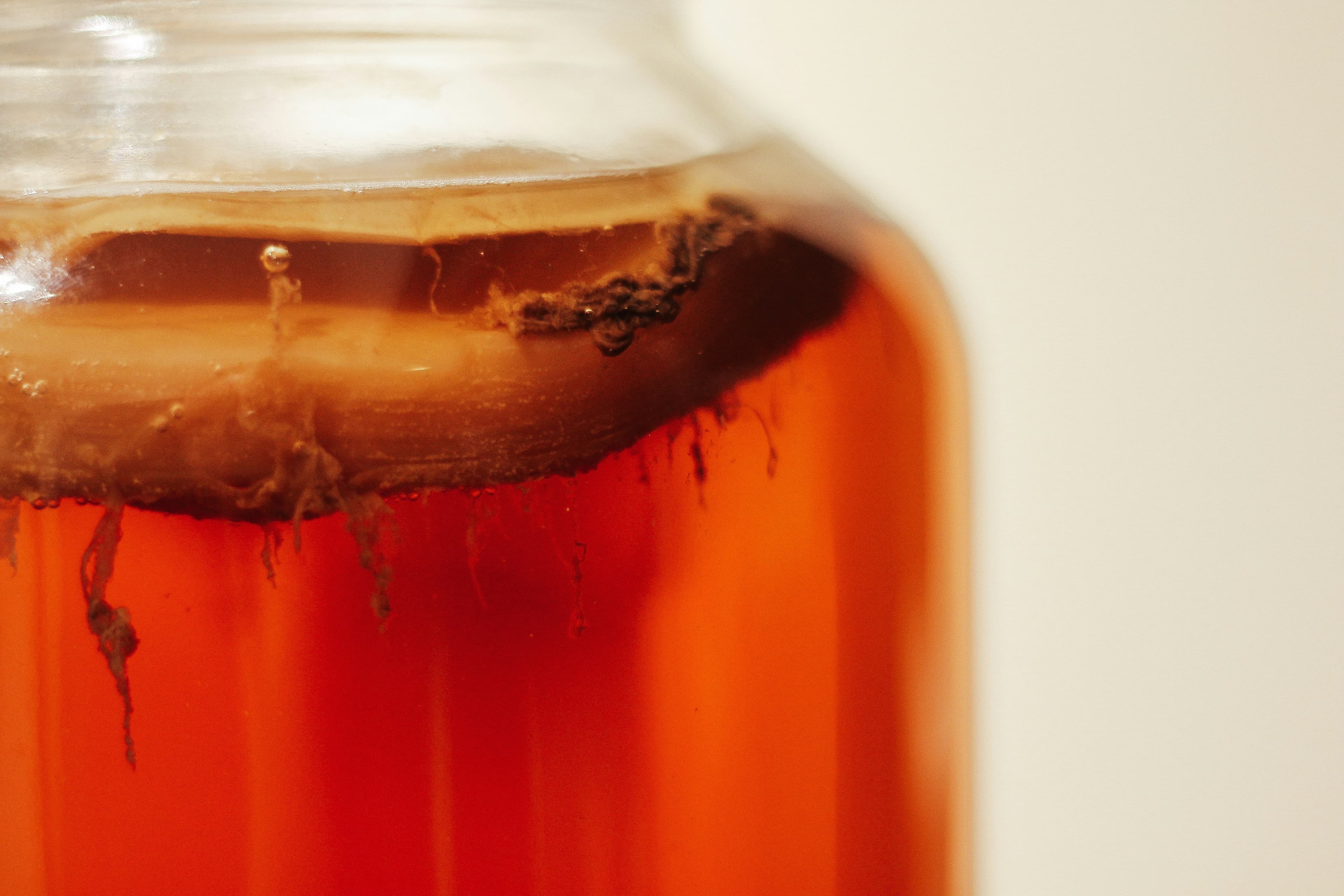
The starter liquid (saved from a previous batch) is as important as the SCOBY itself. It acidifies the fresh brew immediately, dropping the pH and protecting against contamination during the early fermentation window. Use 1–2 cups per gallon jar. If you're starting for the first time, the liquid that comes with your SCOBY serves this purpose.
Fermentation Time
Jun typically ferments in 5–7 days at 68–78°F. This is faster than many kombucha brews, which often take 7–14 days. Start tasting at day 4. It's ready when it's pleasantly tart but not overwhelmingly sour — the honey sweetness should still be present but balanced by acid. If it tastes like drinking vinegar, it's over-fermented; use it as a starter for the next batch.
Second Fermentation — Building Carbonation
First fermentation in an open vessel produces a lightly fizzy jun. For real carbonation — bubbles that persist in the glass — do a second fermentation in sealed bottles.
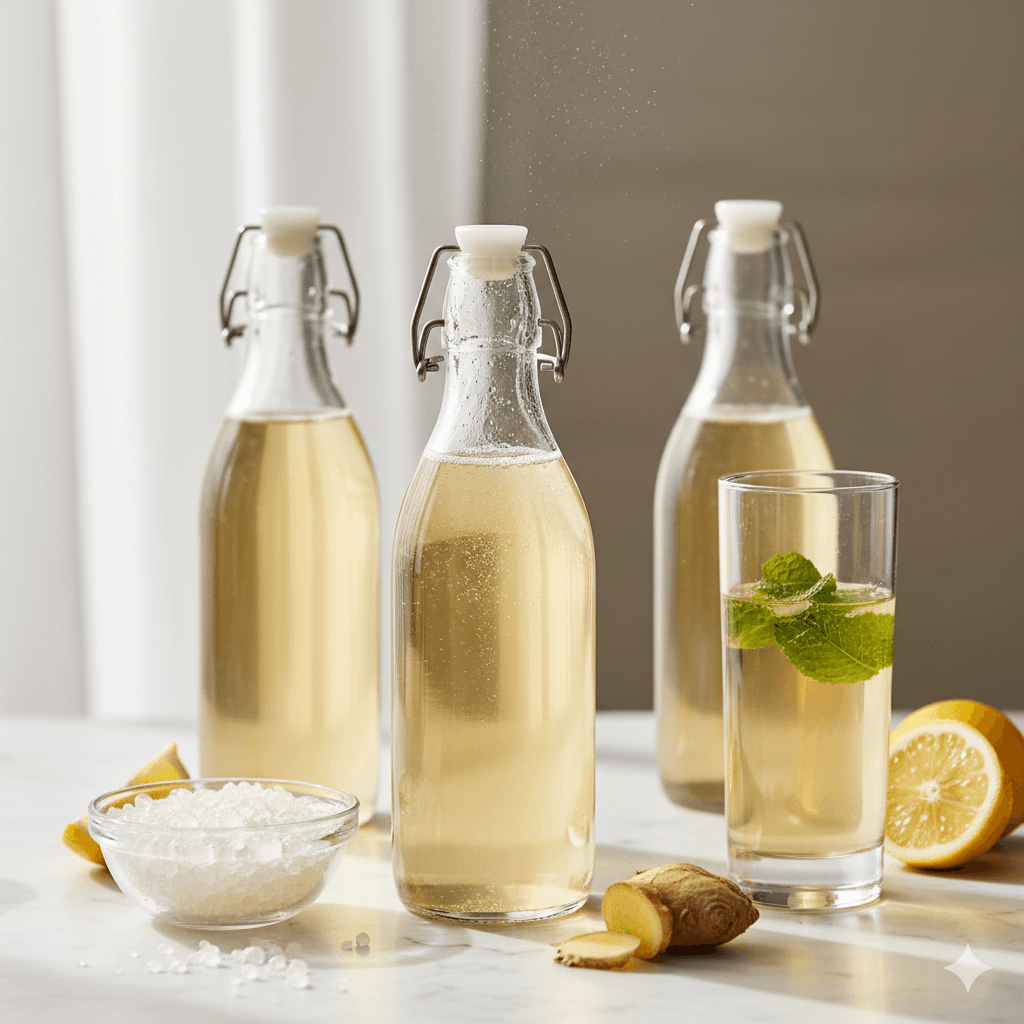
Transfer the jun (without the SCOBY) into swing-top glass bottles. Leave 1 inch of headspace. Seal the bottles and leave them at room temperature for 12–24 hours. The residual yeast and bacteria continue fermenting the small amount of remaining sugar, producing CO₂ that carbonates the liquid under pressure.
Refrigerate when carbonated to your liking — or burp the bottles (open briefly to release pressure) and check before that point if the pressure seems very high. Move to the fridge once carbonated; cold temperatures slow further fermentation and hold the bubbles.
Jun carbonates beautifully — often more so than kombucha — because the honey ferments to leave a small amount of residual sugar that second fermentation captures efficiently.
Caring for Your Jun SCOBY
The SCOBY grows with every batch. After each brew it will be thicker than before. You can peel off layers (SCOBY babies) and share them, compost them, or start a SCOBY hotel — a separate jar of jun starter liquid where you keep spare SCOBYs alive between batches or as backup.
Always save 1–2 cups of liquid from each finished batch to use as starter for the next. Never use plain water or unfermented tea as starter — the acidification step is what protects your brew.
If you need to take a break from brewing, store your SCOBY in its starter liquid in the fridge. It will go dormant and can be revived when you're ready to brew again — though it may take a batch or two to fully reactivate.
Flavor Additions for Second Fermentation
Jun's delicate flavor pairs well with:
- Fresh ginger. A few thin slices per bottle add heat and brightness. Pairs naturally with green tea.
- Citrus zest. Lemon or yuzu zest adds aromatic freshness without overpowering the floral base.
- Elderflower. A teaspoon of elderflower cordial or a few dried flowers per bottle — one of the most elegant jun combinations.
- Rose. A few dried rose petals or a few drops of food-grade rose water for a floral, lightly perfumed jun.
- Cucumber and mint. Refreshing and subtle — add a slice of cucumber and a mint leaf per bottle.
Keep flavor additions light. Jun's strength is its delicacy — it's easy to overpower.
Troubleshooting
Jun Tastes Too Vinegary
Over-fermented. Taste earlier next batch — start at day 3 in warmer weather. Use the over-fermented batch as starter liquid; it's fine for that purpose even if too sour to drink.
SCOBY Is Thin or Not Growing
Most common causes: water too cold, honey was added to hot tea (which damaged it), or the honey-to-water ratio is off. Make sure the brew is fully cooled before adding honey, and keep the brewing environment above 65°F.
No Carbonation in Second Fermentation
The jun may have been fully fermented (no residual sugar left) before bottling. Bottle a little earlier in the process — when there's still a touch of sweetness — and the second fermentation will capture more carbonation.
Jun in the Larger Fermentation Landscape
Jun fits naturally alongside kombucha and water kefir as a continuous fermented beverage project. Once you have a healthy culture and a routine, each batch takes about 20 minutes of hands-on time with a 5–7 day wait in between. The rhythm of making jun — brew, ferment, bottle, repeat — is satisfying in the way most fermentation projects are: a small act of intention that delivers something genuinely good.
If you want to explore honey fermentation further, mead takes the same ingredient — raw honey — in a completely different direction. But jun is the quick version: ready in a week, lighter in alcohol, and something you can realistically make on a rolling basis.