April and May are some of the most productive months in the fermentation calendar. Temperatures are rising toward the ideal range for most cultures, spring produce starts hitting farmers markets in volume, and the long ferments you set up now will be ready in time for summer. This is a calendar-specific guide to what to start, when, and why.
If you're new to fermentation, start with our start here guide for the fundamentals. For a broader overview of spring fermentation options, see our earlier spring fermentation projects post. This guide goes deeper into the April–May timing window specifically.
Why April and May Are Special for Fermenters
Two things converge in spring that make fermentation particularly rewarding:
- Temperature. Most homes hit 65–75°F naturally during April and May — the ideal range for vegetable lacto-ferments, water kefir, and kombucha without any supplemental heating. This is the window where fermentation is fast enough to be interesting but slow enough to be forgiving.
- Produce availability. Spring-specific vegetables have short seasons — asparagus, ramps, spring garlic, snap peas, and radishes typically peak in April–May and disappear by June. Fermenting them is one of the only ways to extend that flavor window for months.
What to Ferment in April
Asparagus (Start Now)
Asparagus peaks in April across most of North America, and it's one of the most underrated fermentation ingredients. Lacto-fermented asparagus is crisp, tangy, and lasts 2–3 months in the fridge. It's ready in 3–5 days at spring temperatures.
Pack trimmed spears upright in a wide-mouth quart jar with garlic and dill. Use a 3% brine (1.5 teaspoons non-iodized salt per cup of water) for better crunch. Add a grape leaf or small piece of oak leaf if you can find one — tannins help keep spears firm. See our full fermented asparagus recipe for detailed instructions.
Radishes and Spring Onions
Early spring radishes and green onions are among the easiest fermentation projects you can do. Slice radishes into coins, trim scallions into jar-length pieces, and pack them in a 2% brine (1 teaspoon salt per cup of water). They ferment in 2–4 days and turn a bright pink color that looks great on tacos, grain bowls, and sandwiches.
Ramps (Wild Garlic)
If you can find ramps at a farmers market or forage them yourself, lacto-fermented ramps are a spring delicacy. The wild garlic flavor mellows significantly during fermentation, leaving a savory, tangy condiment that keeps for months. Blanch the leaves briefly before fermenting if you want a less pungent result; ferment them raw for more intensity.
Start a Sourdough Starter
April's rising temperatures make wild yeast capture significantly faster than in winter. A sourdough starter begun in mid-April can be fully active and ready to bake with in 7–10 days. If you've been meaning to start one and haven't, this is the month. Our sourdough starter guide walks through the process from day one.
Start a Kombucha SCOBY
Spring temperatures (68–78°F) are ideal for SCOBY development. If you want to be brewing your own kombucha by early summer, start growing your SCOBY now. A mature SCOBY takes 2–4 weeks to develop from a commercial starter bottle. Our kombucha brewing guide covers both growing a SCOBY from scratch and getting started with a purchased one.
What to Ferment in May
Snap Peas and Pea Shoots
May brings snap peas — and they ferment beautifully. Pack whole snap peas into a jar with garlic, a pinch of red pepper flakes, and a 2% brine. They stay crisp for 3–4 days of fermentation and develop a bright, tangy snap. Pea shoots ferment in 2–3 days and make an excellent garnish or condiment.
First Cucumber Ferments
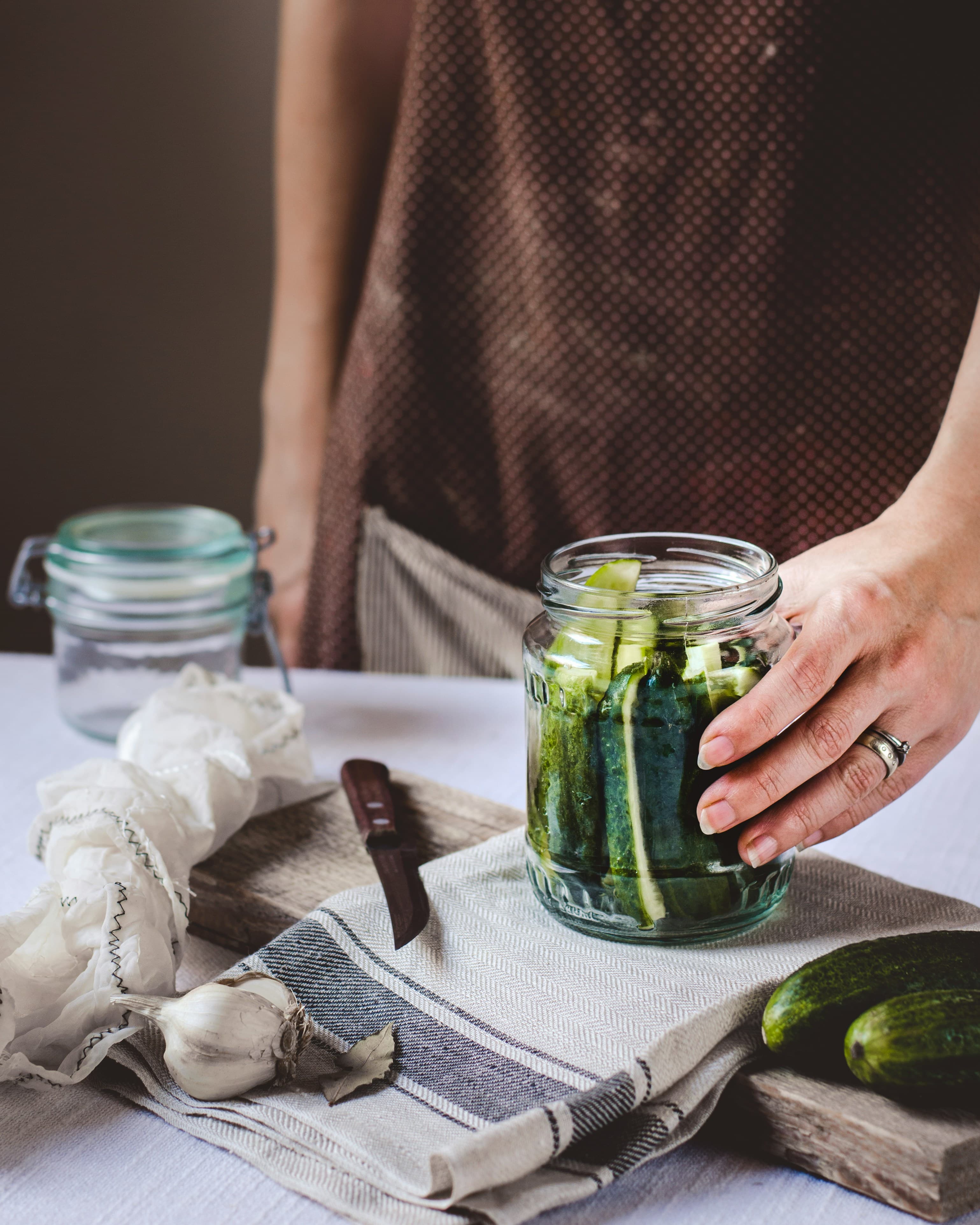
Depending on your region, early pickling cucumbers may appear at farmers markets in late May. These are prime fermentation territory. Traditional fermented pickles (not vinegar pickles) are one of the most rewarding first fermentation projects — see our fermented pickles guide for the method. If you're not seeing cucumbers yet, they'll hit peak availability in June.
Ginger Beer and Tepache
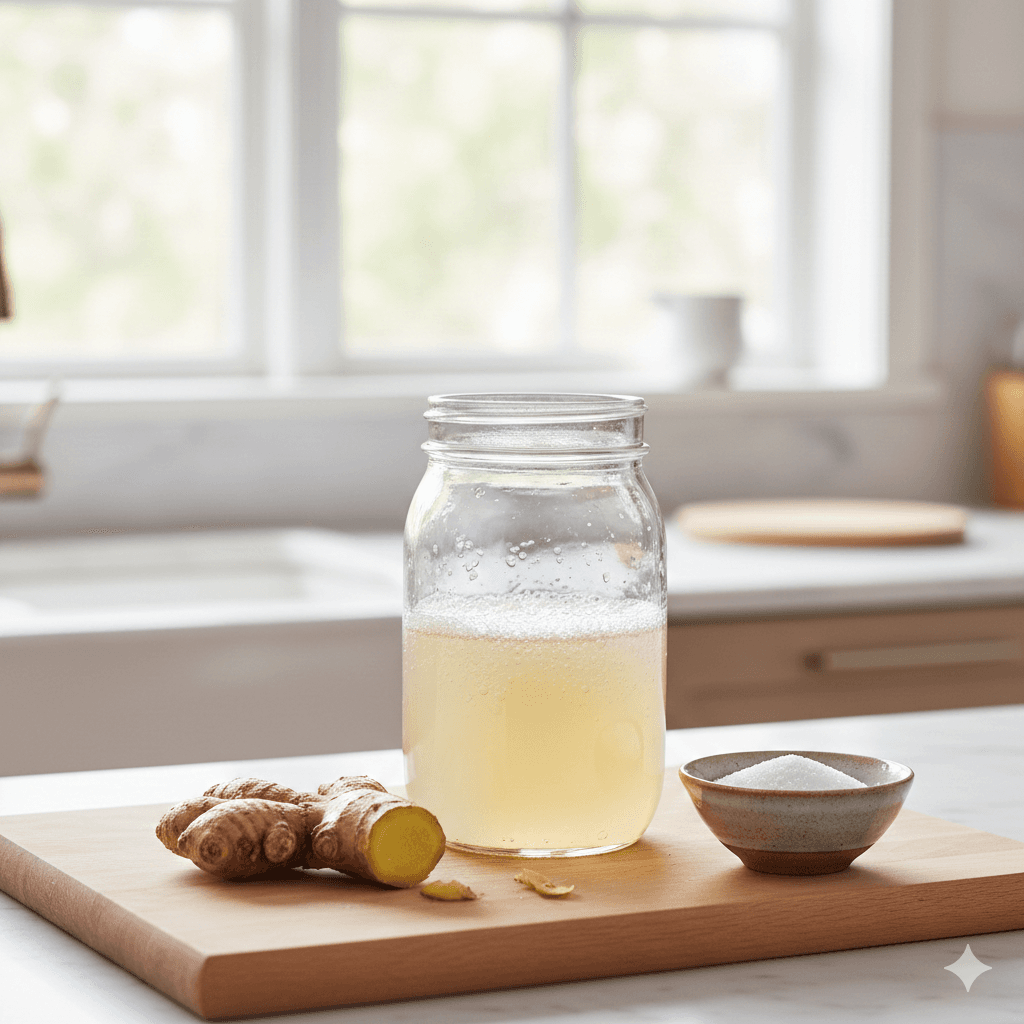
May temperatures are warm enough to get fermented drinks moving quickly. This is a good month to start a ginger bug — the wild-fermented starter used to carbonate homemade ginger beer and other sodas. A ginger bug takes about a week to become active, and once it is, you can brew batch after batch of naturally carbonated drinks all summer. Tepache (fermented pineapple) is another May-friendly project that ferments in 2–3 days at spring temperatures.
First Milk Kefir Batch
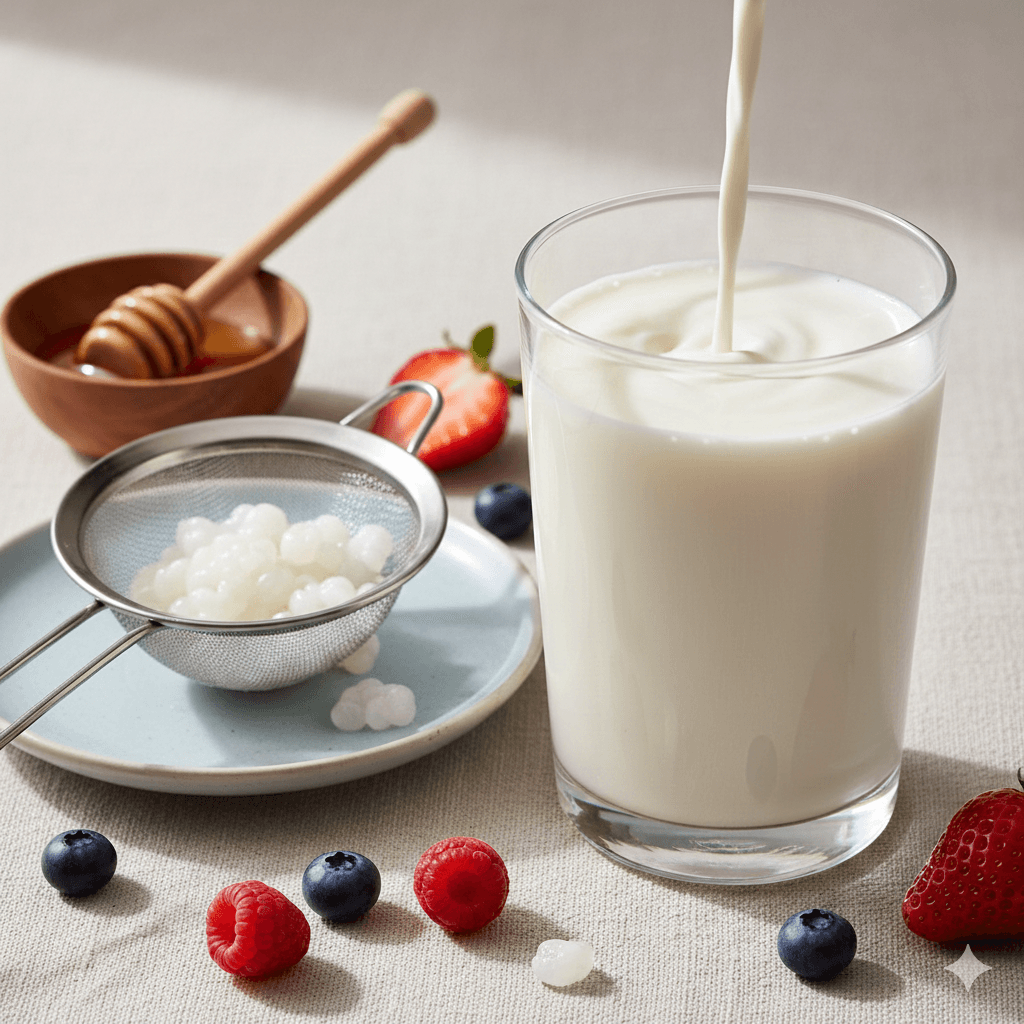
If you've been thinking about adding a daily probiotic drink to your routine, May is an easy time to start. Milk kefir ferments in 12–24 hours at room temperature — no special equipment needed. At spring temperatures, grains establish quickly and you'll be in a steady rhythm within a week. See our milk kefir guide to get started, or read our kefir vs yogurt comparison if you're deciding between the two.
Spring Fermentation Quick-Reference
| Project | Best Month | Ready In | Difficulty |
|---|---|---|---|
| Fermented asparagus | April | 3–5 days | Beginner |
| Fermented radishes | April | 2–4 days | Beginner |
| Ramp ferment | April | 5–7 days | Beginner |
| Sourdough starter | April–May | 7–14 days | Beginner |
| Kombucha SCOBY | April–May | 2–4 weeks | Beginner |
| Snap pea ferment | May | 3–4 days | Beginner |
| Ginger bug | May | 7–10 days | Beginner |
| Milk kefir | May (any time) | 12–24 hrs | Beginner |
| Fermented pickles | Late May–June | 5–7 days | Beginner |
What to Set Up Now for Summer
Some fermentation projects take weeks to get established — and if you want them ready for summer, you need to start them in spring:
- Fermented hot sauce — Peppers hit in July–August, but you can start a test batch with store-bought peppers in May to learn the process before the harvest. See our fermented hot sauce guide.
- Water kefir — Water kefir grains take 1–2 weeks to acclimate when you first get them. Start them in May so they're fully established and producing consistent batches by June. Our water kefir guide covers getting started.
- Homemade mead — Mead takes 4–8 weeks to ferment and benefits from aging. A batch started in May will be ready by mid-summer at the earliest. See our beginner mead guide.
Start Here If You're New
If April or May is your first foray into fermentation, the best first project is a simple vegetable ferment: fermented radishes, a jar of asparagus, or a small batch of sauerkraut from a head of spring cabbage. These projects require nothing beyond a jar, salt, and a vegetable — and they'll teach you the core principles (salt ratio, brine, submerging, tasting) that apply to everything else on this list.
Our start here guide is the best place to begin.