The best fermentation projects for June are defined by the season's two main characteristics: warmth and abundance. By June, kitchen temperatures have settled into the 70–80°F range that speeds fermentation without overheating it, and the produce calendar floods with the ingredients fermentation was made for — tomatoes, peppers, garlic, stone fruits, berries, cucumbers. Start something today and it will be ready in a week. Start something longer-term and you'll be rewarded for months.
This guide organizes June's best projects by timeline so you can match the ferment to your patience and kitchen schedule. Quick projects for immediate gratification, medium projects for the best weekend projects, and long-lead projects to start now for late-summer payoff.
Quick Ferments — Ready in Under a Week
1. Lacto-Fermented Salsa
Peak tomato season starts in June in most growing regions, and fermented salsa is one of the most rewarding things you can do with a pile of ripe summer tomatoes. The salt draws out the tomato juice, lactic acid bacteria ferment it over 2 to 4 days, and you end up with a salsa that's more complex than fresh and keeps for 3 to 4 weeks instead of 3 to 4 days. Add mango for a tropical version or tomatillos for a verde. Our lacto-fermented salsa recipe walks through the full process.
2. Fermented Summer Peppers
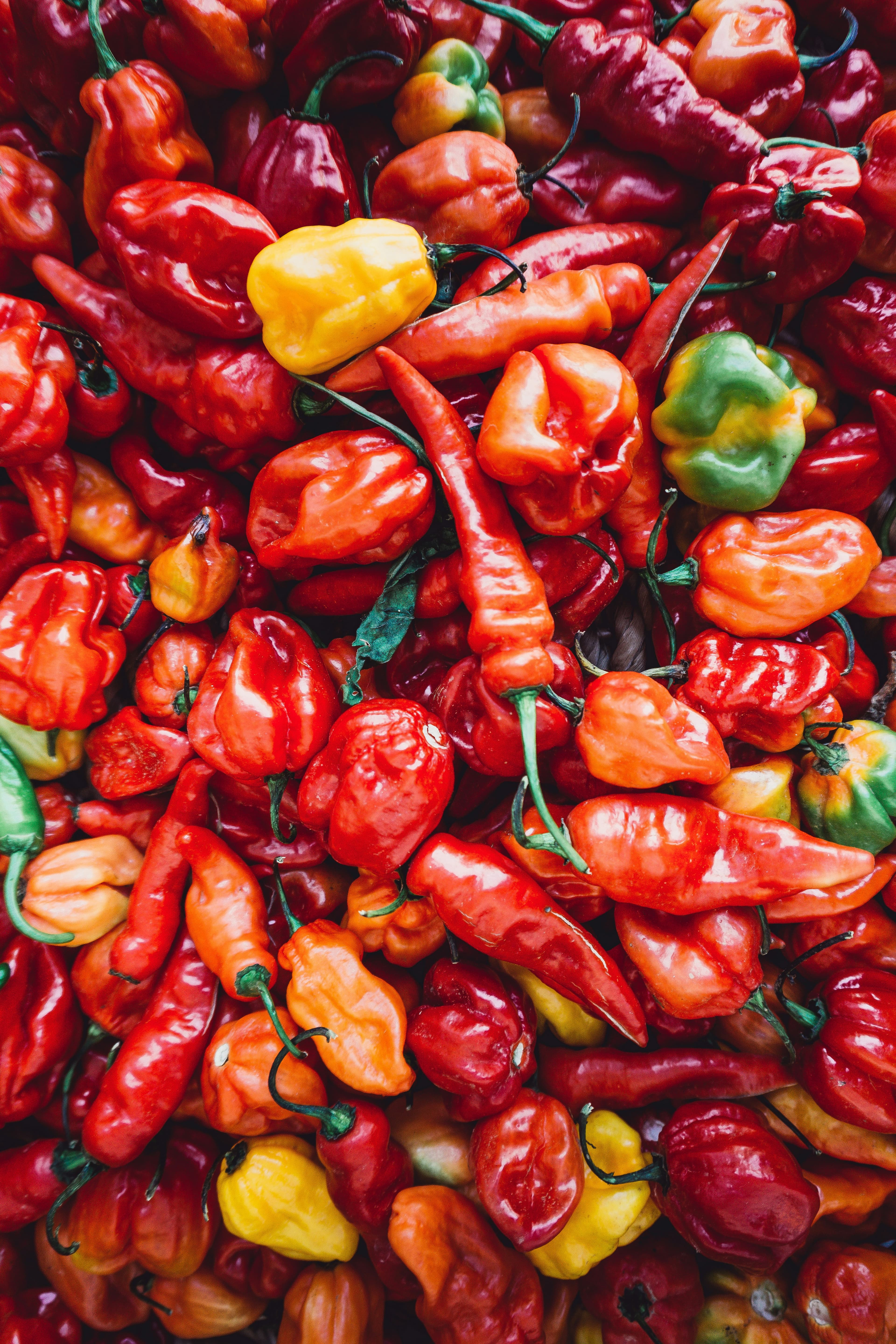
Jalapeños, Fresnos, banana peppers, and shishitos all ferment beautifully and are abundant in June. Sliced jalapeño rounds in a 2% brine are ready in 5 to 7 days in a warm summer kitchen — and a jar in the fridge makes everything better for the next three months. The flavor is rounder, more complex, and more versatile than any store-bought pickled pepper. See our guide to fermenting summer peppers for variety selection and brine ratios.
3. Fermented Cucumbers
Early June is peak cucumber season in most regions. Lacto-fermented cucumbers (true dill pickles, made with salt brine rather than vinegar) are ready in 3 to 7 days and are crunchier and more probiotic-rich than anything from a store. Use pickling cucumbers for the crispest result — their thicker skin holds up through fermentation. Our fermented pickles guide has the full recipe.
4. Fermented Strawberry Shrubs
Strawberries are at their peak in early June across most of the US. A wild-fermented strawberry shrub — made by macerating berries with sugar for 3 to 5 days before adding apple cider vinegar — produces an extraordinary drinking vinegar that works in sparkling water, cocktails, and salad dressings. See our guide to making shrubs for the method and ratio.
Medium-Term Projects — Ready in 1–3 Weeks
5. Fermented Hot Sauce
Fermenting fresh summer peppers into hot sauce is one of the most satisfying fermentation projects of the year. Pack peppers in a 2% brine, let them ferment for 1 to 4 weeks depending on your flavor preference, then blend with reserved brine and a splash of apple cider vinegar. The result is more complex than any commercial hot sauce — fruity, tangy, and hot in a way that builds gradually rather than hitting all at once. Our fermented hot sauce guide covers the full process including flavor variations.
6. Tepache (Fermented Pineapple)
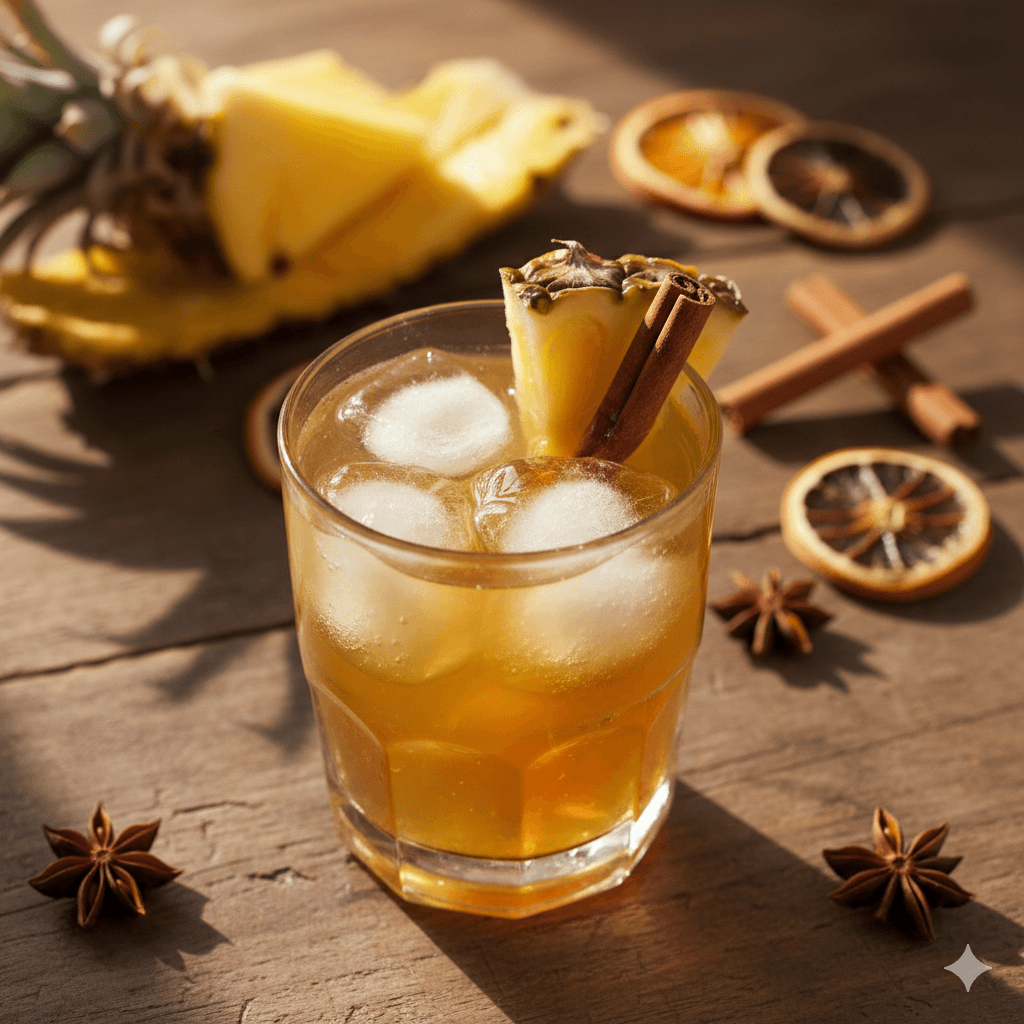
Tepache is a Mexican lightly fermented drink made from pineapple rinds, sugar, and spices — ready in just 2 to 3 days and perfect for a June weekend project. It's lightly fizzy, sweet-sour, and tropical in a way that feels built for summer. The pineapple rinds you would otherwise compost become the main ingredient. Our tepache recipe and the tepache guide both walk through the full process.
7. Kombucha Second Fermentation with Summer Flavors
If you already brew kombucha, June is the best month to experiment with summer second fermentation (F2) flavors. Strawberry, mango, ginger-lemon, blackberry, and peach all produce exceptional results. Bottle with fruit or juice, seal, and let it carbonate for 2 to 5 days — the warm summer temperatures accelerate carbonation, so check your bottles daily to prevent over-pressure. See our kombucha brewing guide for F2 details.
8. Water Kefir with Seasonal Fruit
Water kefir grains produce a batch of fizzy, dairy-free probiotic soda in 24 to 48 hours. In June, the second fermentation possibilities expand dramatically — fermented strawberry, peach, or lemon water kefir are all excellent. If you don't have grains yet, June is a great time to source them. Most fermentation supply stores carry them, and online options deliver within a week.
Long-Lead Projects — Start Now for Late-Summer Payoff
9. Fermented Hot Sauce (Extended Ferment)
The medium-term hot sauce above ferments for 1 to 3 weeks. If you want something deeper and more complex, pack a jar today and let it go for 4 to 6 weeks. By late July or early August, you'll have a fermented pepper mash with extraordinary flavor that can be blended into a hot sauce or used directly as a paste in cooking.
10. Ginger Bug
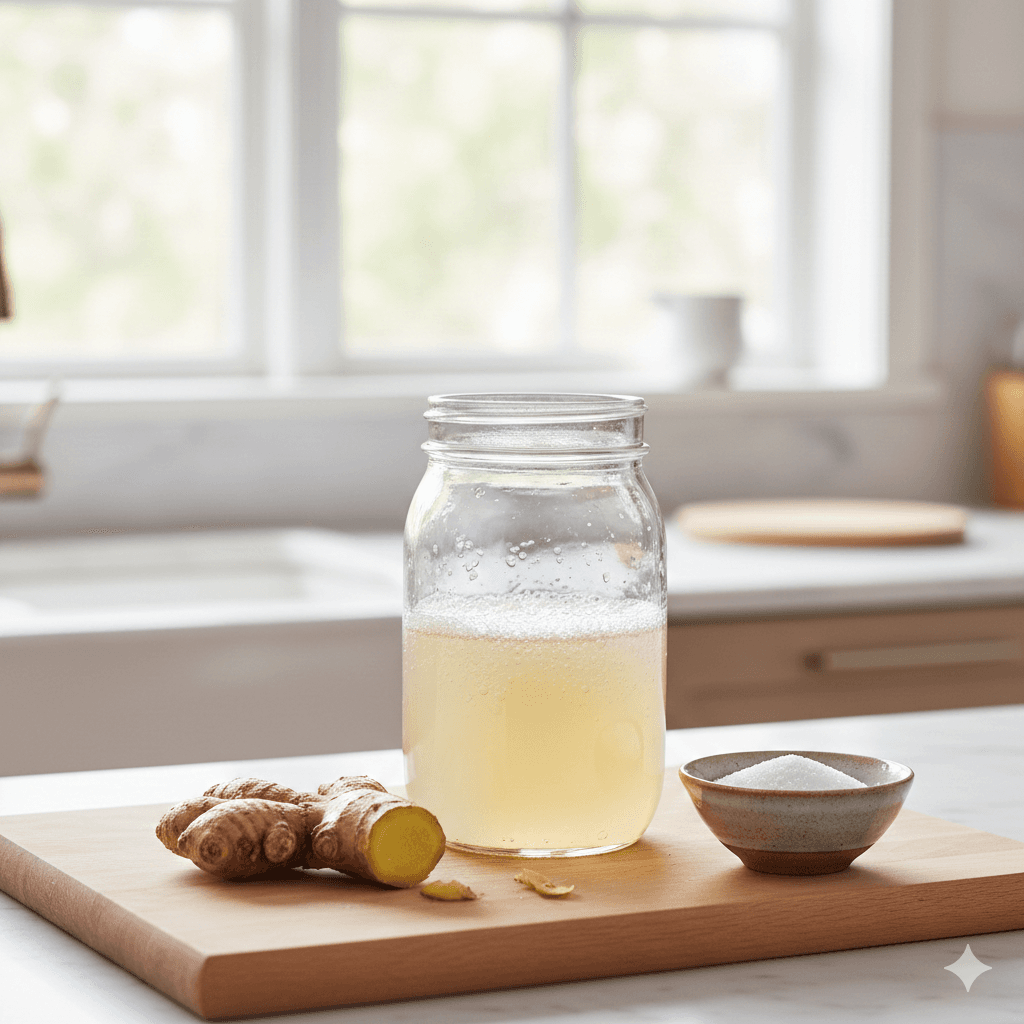
A ginger bug — a wild-fermented starter made from fresh ginger, sugar, and water — takes 5 to 7 days to establish but once active, gives you an on-demand supply of natural carbonation for homemade ginger beer, shrubs, and fermented sodas. Start one this week and you'll have it for the rest of summer.
11. Fermented Garlic
Fresh hardneck garlic arrives at farmers' markets in June and July. Fermenting whole cloves in a 2% brine produces a condiment that keeps for months, softens the sharp raw edge of garlic, and develops a mellow, savory complexity that works in almost any savory dish. This is one of those ferments that improves dramatically the longer it sits — a batch started in June is extraordinary by September.
Equipment Worth Having for June Fermentation
Most June fermentation projects need nothing beyond a mason jar. But if you're planning to ferment in volume — a full season's worth of hot sauce, or large batches of salsa and pickles — two pieces of equipment make a real difference.
Fermentation weights. Keeping vegetables submerged below the brine is the single most important factor in a successful vegetable ferment. The Masontops glass weights fit wide-mouth mason jars and are the most reliable, easiest-to-clean option. Our fermentation weights guide covers every option from glass to ceramic to DIY.
A fermentation crock for large batches. If you want to put up a large quantity of sauerkraut, kimchi, or whole fermented peppers, a proper fermentation crock with a water-seal lid eliminates the need for daily monitoring. The water channel creates a natural airlock — CO₂ bubbles out, but oxygen and contaminants can't get in. The Kenley 1-gallon fermentation crock is a well-built water-sealed option that comes with weights and a pounder included. See our fermentation crock comparison for the full breakdown.
One Rule for Summer Fermentation
In June, the biggest mistake fermenters make is not accounting for the heat. Fermentation that takes 10 days in a 65°F kitchen runs in 5 to 6 days in a 78°F summer kitchen. The results aren't bad — they're just faster, sometimes faster than you intended. Taste your ferments frequently in summer, starting earlier than you think necessary. The difference between a perfectly tangy fermented pepper and an overly acidic one is often just 24 hours.
If your kitchen consistently gets above 80°F, find a cooler spot: a pantry, a basement corner, or even an insulated bag with an ice pack changed twice daily. Slightly cooler fermentation gives you more control and more flavor complexity.
For more seasonal inspiration, see our spring fermentation checklist — many of those projects are still active in early June, and the principles are the same.